
Evidence update — September 2026: This article has been tightened around documented festive baking traditions rather than repeating unsourced country-by-country claims. Historical examples are linked to English Heritage and official French, German, Italian and Portuguese sources where useful. Storage advice remains recipe-dependent.
Ask ten families what a traditional Christmas cake should be and you may get ten different answers. In Britain, the familiar version is a rich fruit cake; elsewhere Christmas baking can mean a chocolate yule log, stollen, panettone or a jewel-like bolo-rei.
Some of these are technically breads or pastries rather than cakes. What they share is their place at a festive table.
If you are looking for something to order rather than bake, see our current Christmas cakes to order. For the history, keep reading.
British Christmas fruit cake
Rich fruit cakes were well established in nineteenth-century British cookery. English Heritage has recreated an almond-iced cake from Eliza Acton’s 1845 Modern Cookery, using dried fruit, citrus peel, spice, butter, flour, sugar and eggs. English Heritage also notes decorated Christmas fruit cakes among the foods enjoyed at Queen Victoria and Prince Albert’s Osborne.
Modern British Christmas-cake recipes vary enormously. Many use dried fruit, spice, marzipan and icing; some use alcohol and are designed to mature before serving. There is no universal feeding or storage schedule, so use a tested recipe and follow its instructions. Our guide to feeding and storing a Christmas cake covers the practical cautions.
Bûche de Noël — France
The French bûche de Noël turns the visual idea of a Christmas log into dessert. The French Ministry of Agriculture describes the now-familiar cake form as a rolled sponge decorated like a wooden log, with versions becoming widespread in France after the Second World War.
Chocolate is a classic direction, but modern bûches range widely in flavour and construction. If chocolate is your preferred festive language, see our guide to chocolate Christmas cakes and yule logs.
Stollen — Germany
Germany’s official tourism material describes Stollen as one of the country’s best-known Christmas baking traditions, with Dresden particularly associated with it. It is an enriched yeasted bake containing dried fruit and other festive ingredients, usually finished with a generous coating of icing sugar.
It sits somewhere between bread and cake, which is precisely why forcing every Christmas bake into one category is not very useful.
Panettone — Italy
Italy’s official tourism site presents panettone as a typical Italian Christmas sweet strongly associated with Milan. Its tall domed shape and airy enriched crumb make it almost the opposite of a dense British fruit cake, although raisins and candied citrus are traditional features.
It has also become a familiar sight in British shops each December, which proves that festive baking traditions travel very well when they taste good.
Bolo-Rei — Portugal
Visit Portugal describes bolo-rei, or King Cake, as a traditional festive cake eaten over the Christmas period. Its ring shape, dried and crystallised fruit and nut decoration give it the appearance of a jewelled crown.
Like panettone and stollen, it belongs to the broad family of enriched celebratory breads and cakes rather than to the dense iced-fruit-cake tradition familiar in Britain.
Traditional fruit cake or modern Christmas sponge?
If you love dried fruit, spice and the ritual of making something ahead, a traditional Christmas cake is difficult to beat. If your family politely moves fruit cake around the plate and then asks whether there is chocolate, a modern sponge cake may be the more generous choice.
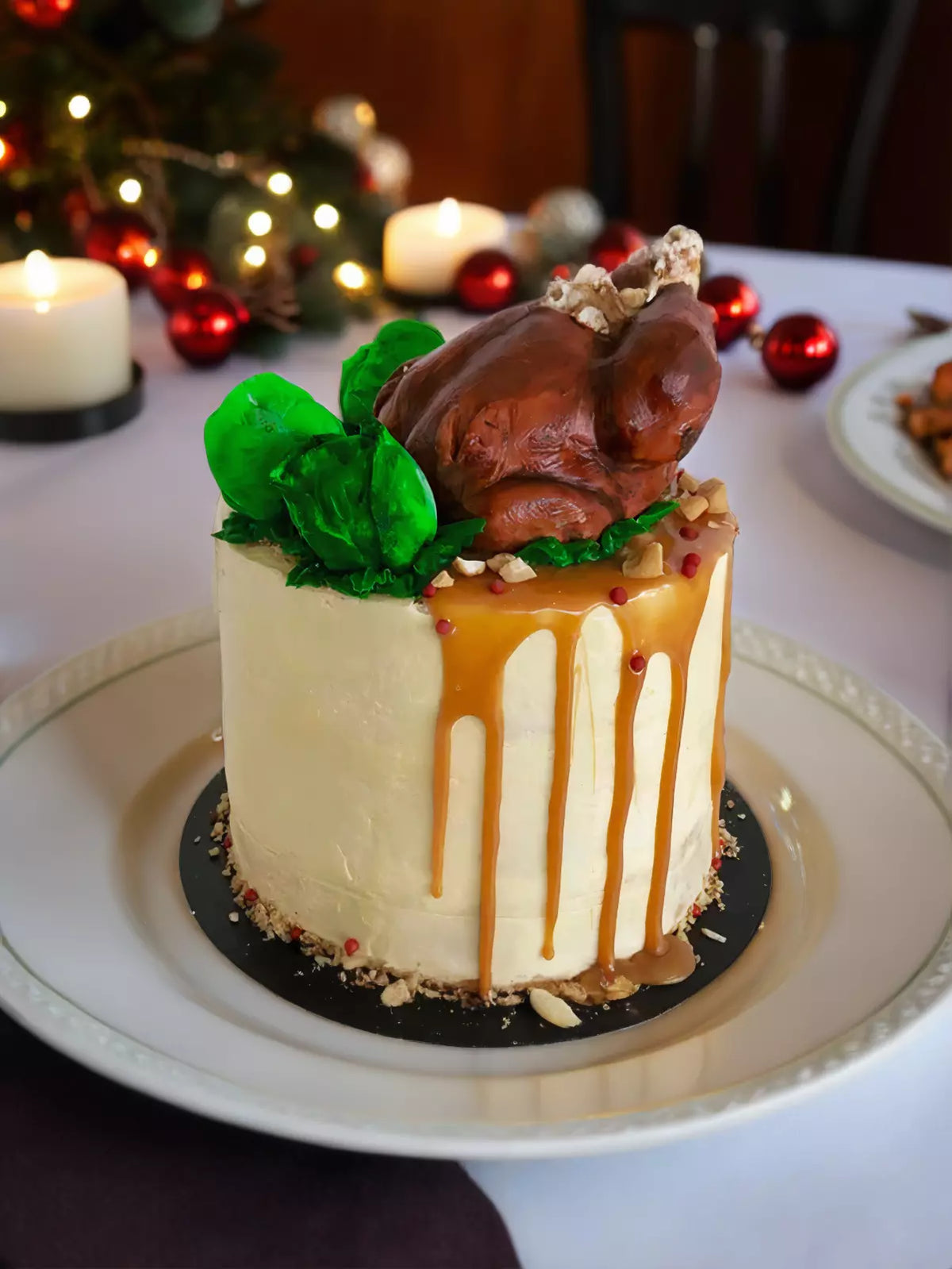
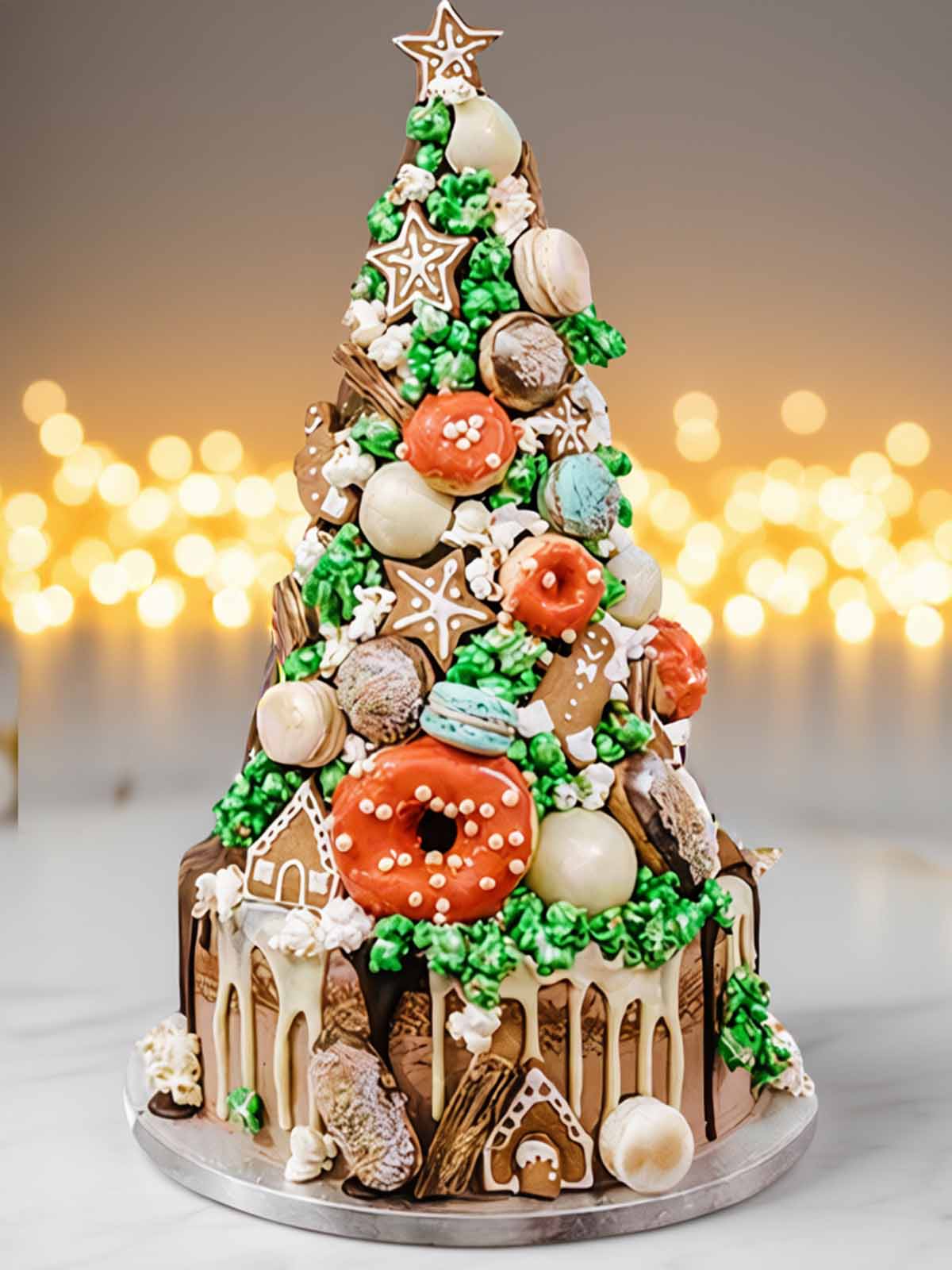
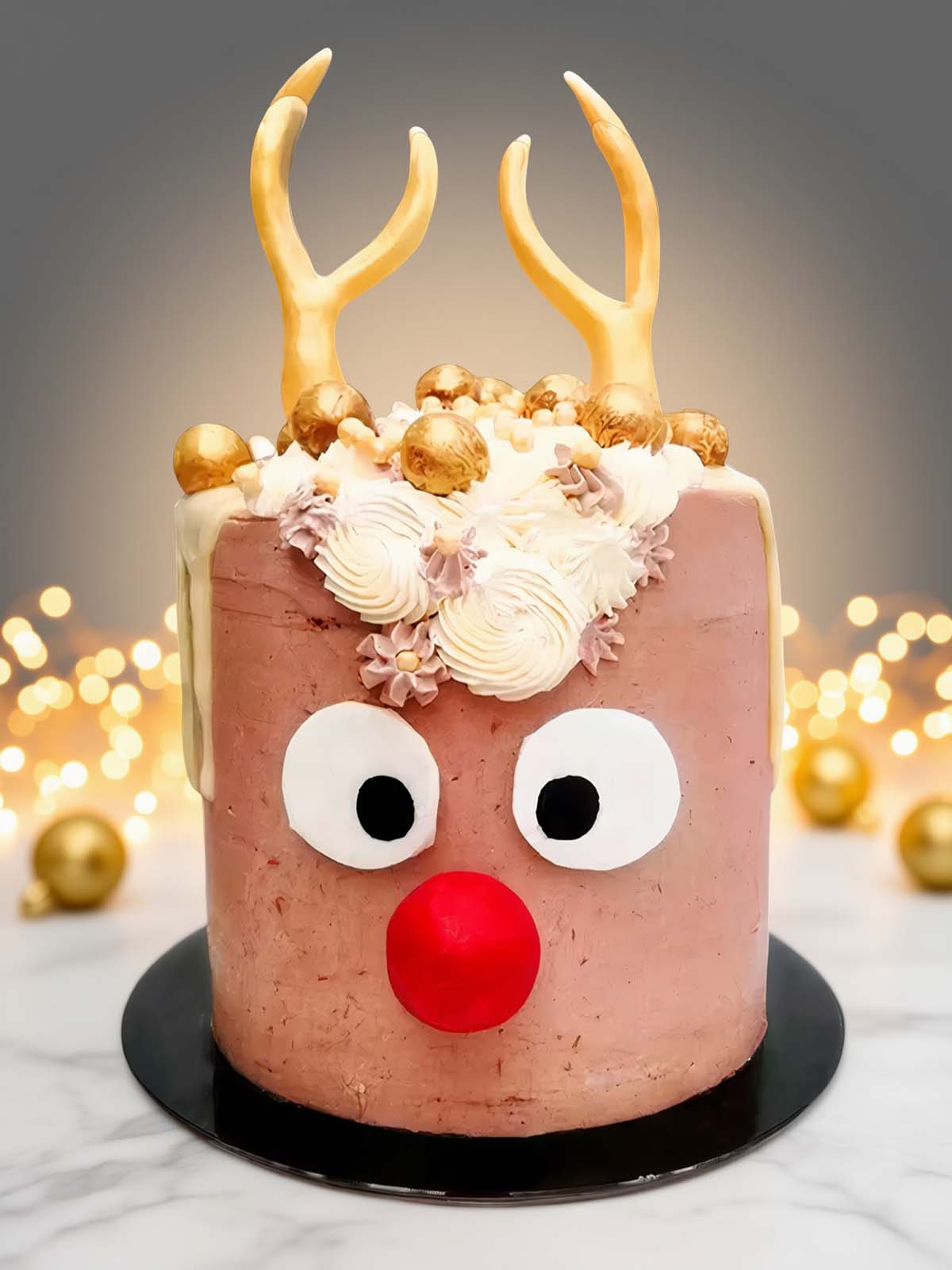
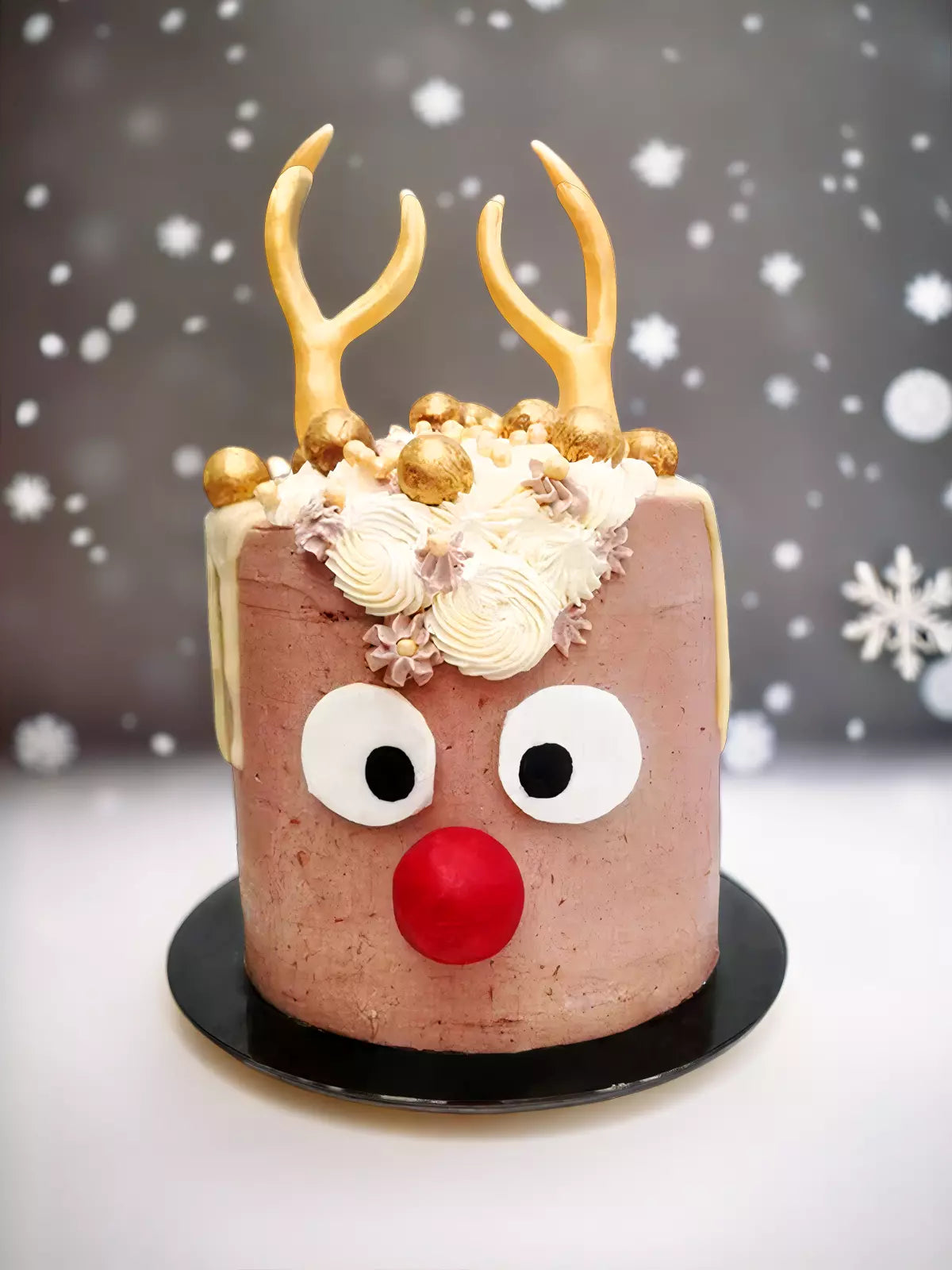
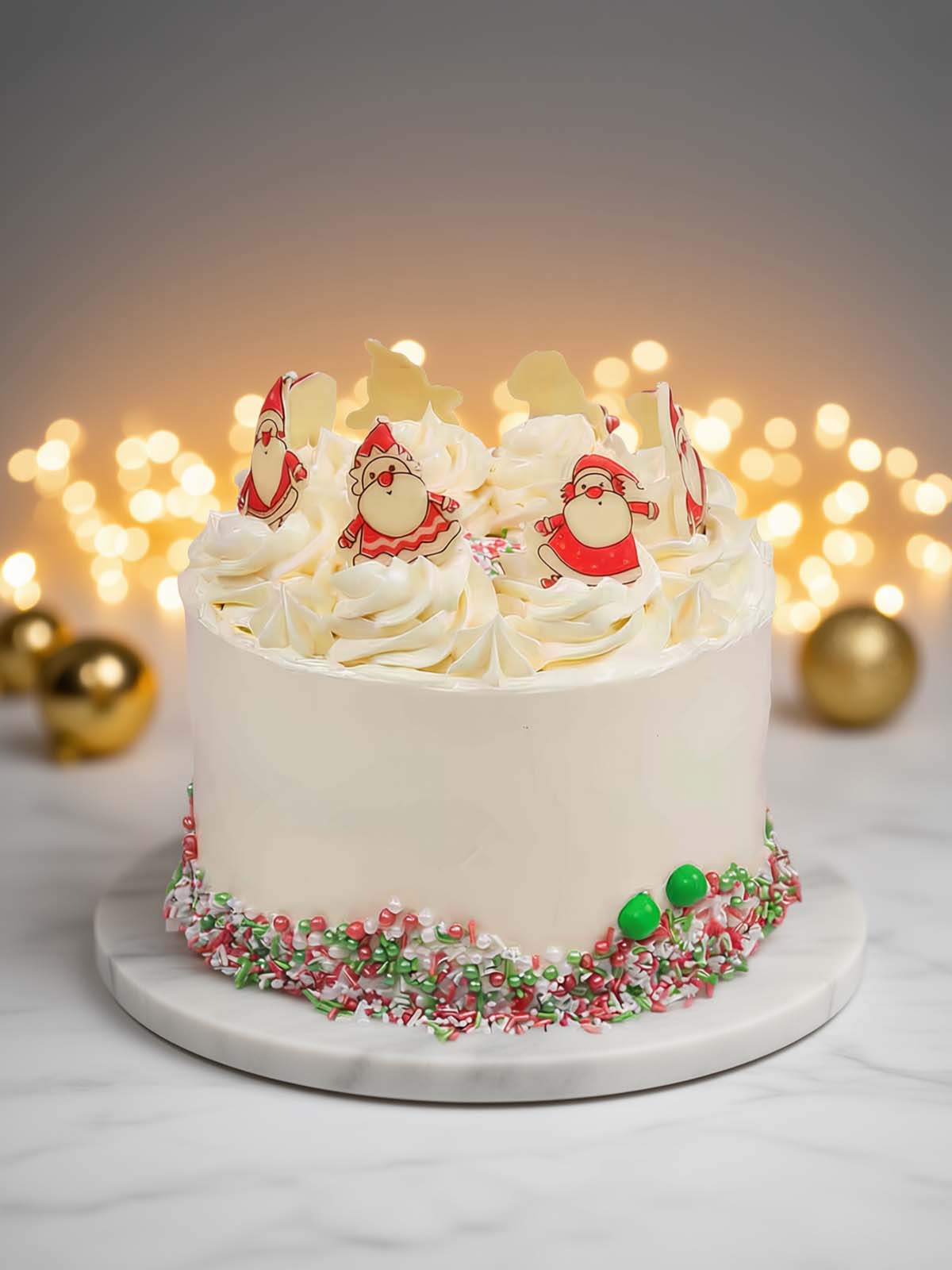
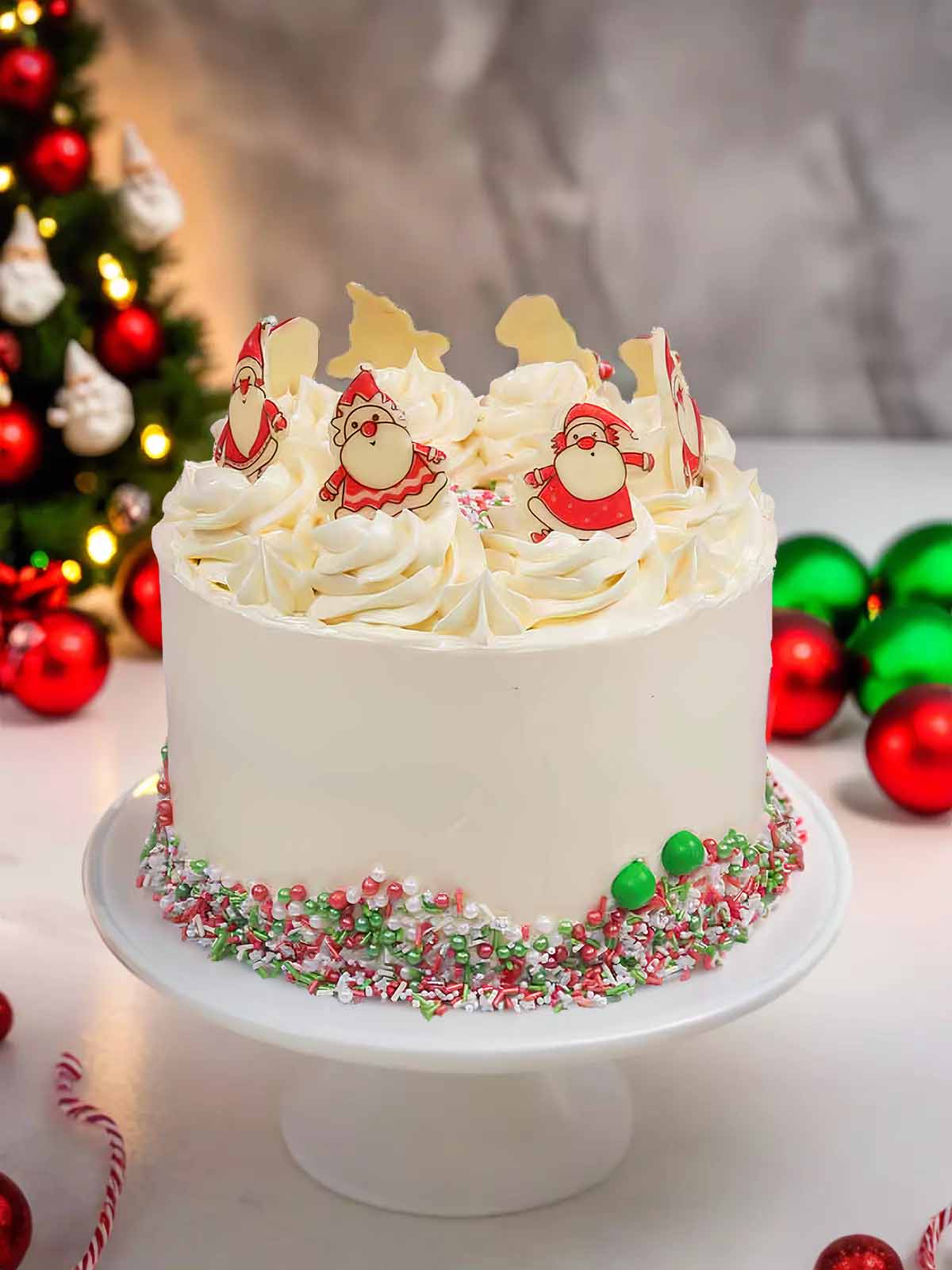
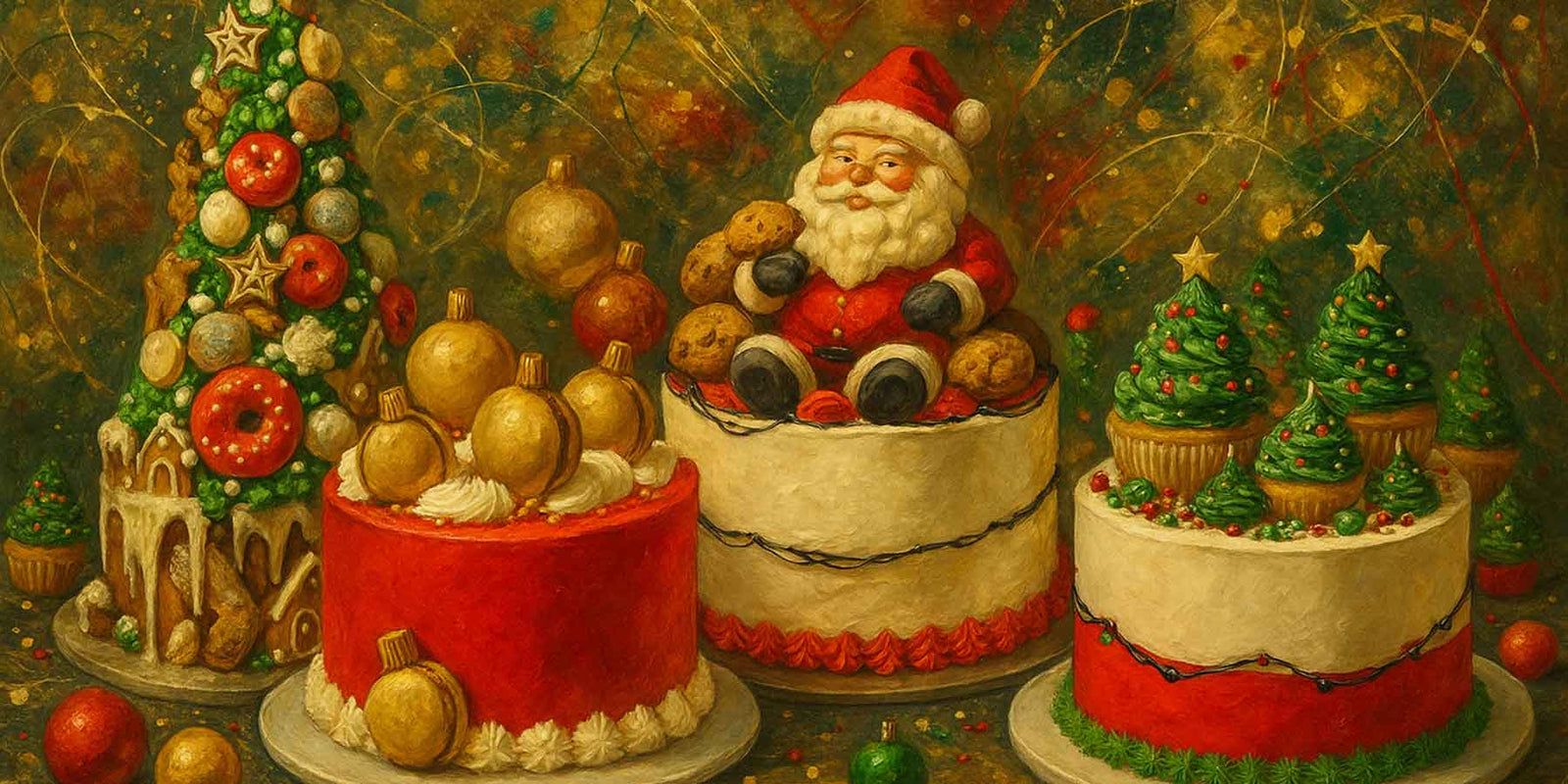
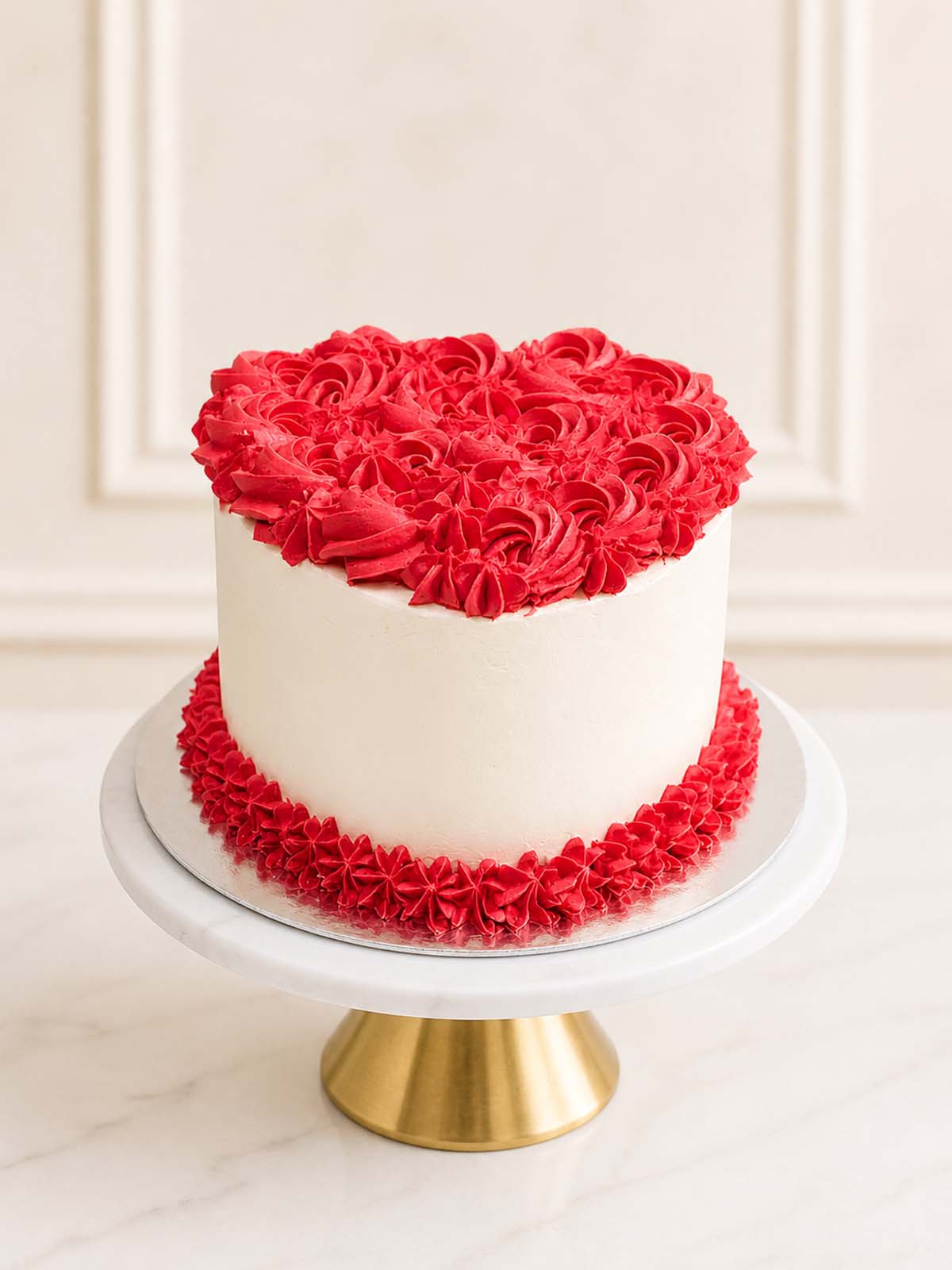
Today’s Christmas table can comfortably hold both. A yule log, novelty Santa cake, snowy buttercream cake or croquembouche can feel every bit as festive when it suits the people actually eating it.
Storage matters more than tradition
Do not assume that every “Christmas cake” keeps safely for weeks. Fresh cream, cream cheese, custard and mousse require chilled storage. Alcohol does not make a cake indefinitely safe. Fruit-cake maturation depends on the recipe, moisture, alcohol content, wrapping and storage conditions.
Follow the storage instructions for the most perishable component and discard a cake that shows mould, unexpected odour or other signs of spoilage.
For modern inspiration, browse our Christmas cake ideas. To see current designs, head to the Christmas cakes collection for hand delivery across our service area.


Comments