




Baking Science · Flavour · Boozy Cakes
Baking With Alcohol
Alcohol in baking is not a modern fad. It is positively ancient. From the beer breads of Ancient Egypt to spirit-soaked medieval desserts, bakers have long known that a splash of something boozy can change a bake in surprisingly clever ways.
Today, we can explain the magic rather than simply raise a glass to it. Alcohol can carry flavour, soften gluten, change texture, add aroma, preserve fruit and turn a fairly sensible cake into something that feels just a little more grown-up.
So, whether you are adding rum to brownies, Guinness to chocolate cake, brandy to fruit cake or vodka to pastry, here is what alcohol actually does in baking, and how to use it without accidentally turning dessert into a chemistry incident.

Alcohol can improve baking by carrying flavour, softening gluten, adding aroma, helping certain cakes stay moist and giving depth to fruit, chocolate, spice and caramel notes. Use it carefully, though. Not all alcohol disappears during baking, and some people avoid it completely.
How Alcohol Works In Baking
One of the reasons alcohol is so useful in baking is that it gets along with both water-loving and fat-loving flavour compounds. Water and fat are often awkward party guests, standing on opposite sides of the room. Alcohol swans in, introduces everyone and gets the conversation going.
That means it can help carry a broader range of flavours to your tongue and nose. Vanilla, spice, citrus, chocolate and toasted notes can all feel more lifted when the right alcohol is used in the right amount.
- Flavour Alcohol dissolves and carries aromatic compounds.
- Aroma Ethanol evaporates easily, helping scent travel upwards.
- Texture Alcohol hydrates flour differently from water, which can reduce toughness.
- Depth Rum, brandy, beer and wine bring their own flavour notes.
Think of alcohol as a grown-up flavour extract. A little can make chocolate taste deeper, fruit taste warmer, pastry taste more delicate and spice taste more rounded. Too much, however, and the bake can taste harsh, boozy or bitter. Subtlety is the trick.
Alcohol And Texture
Taming Gluten For Tender Results
When flour meets water, two proteins, glutenin and gliadin, begin forming gluten. Gluten is brilliant in bread, where chew and stretch are welcome. It is far less charming in pastry, shortbread and delicate cakes, where toughness is not the vibe.
Alcohol, especially ethanol, does not encourage gluten formation in quite the same way as water. This is why vodka pastry has become such a well-loved baking trick. Vodka brings enough moisture to help the dough come together, but less gluten development, which means a more tender, flaky crust.
Vodka works in pastry because it adds moisture without encouraging as much gluten formation as water. The dough is easier to handle, then the alcohol evaporates quickly during baking, leaving a crisp, tender crust.
Browning, Crust And The Maillard Reaction
That golden crust on bread, cookies and cakes comes partly from the Maillard reaction, where amino acids and sugars react under heat to create colour and flavour. Alcohol can complicate this a little because it changes surface moisture and evaporation.
In some bakes, alcohol may slightly slow browning. In others, its own sugars and flavour compounds can deepen the overall result. If your boozy batter is not browning as expected, look at the temperature, sugar level, moisture and bake time before blaming the bottle entirely.

Yeast: Boozy Friend Or Foe?
Yeast is a capricious little character. It merrily converts sugar into carbon dioxide and alcohol during fermentation, which is why bread rises and develops flavour. But if you add too much alcohol at the start, yeast can become overwhelmed.
Very high alcohol levels can slow or stop yeast activity. A small amount, used wisely, can add aroma and complexity. Beer breads work beautifully because beer brings flavour, carbonation and yeast-friendly malt notes without turning the dough into a brewery accident.

A fun idea known as “drunken bread” comes from slow fermentation, where dough develops more complex flavours over time. Some of the alcohol created by yeast cooks off in the oven, leaving behind a more rounded, savoury aroma.
Which Alcohol To Use In Baking
Different alcohols bring different personalities. Some are bold and bossy, others are gentle background singers. The key is to choose a bottle that supports the flavours already in your bake.
- Rum: Caramel, molasses, spice and warmth. Excellent in fruit cake, banana cake, brownies, chocolate cake and sticky toffee-style bakes.
- Bourbon: Vanilla, oak, toasted sugar and a hint of smoke. Beautiful with pecans, chocolate, brown butter, caramel and autumnal spices.
- Brandy: Fruity warmth and old-school pudding energy. A natural partner for dried fruit, Christmas cake, mincemeat and chocolate.
- Port: Rich, fruity and velvety. Lovely with cherries, berries, dark chocolate and festive bakes.
- Gin: Botanical, citrusy and fresh. Good in lemon cakes, shortbread, berry desserts and glazes.
- Vodka: Neutral and useful when you want texture benefits without strong flavour, especially in pastry.
- Beer And Stout: Malty, roasted and savoury. Stout is especially good with chocolate, coffee and treacle flavours.
- Liqueurs: Sweet and characterful. Amaretto, Baileys, Kahlúa, Grand Marnier and limoncello can be brilliant in soaks, frostings and fillings.
- Chocolate Rum, stout, bourbon, brandy or coffee liqueur.
- Lemon Gin, limoncello or vodka.
- Fruit Cake Brandy, rum, sherry or port.
- Caramel Bourbon, dark rum or whisky.
- Berries Port, gin or berry liqueur.
If you are unsure what to use, think like a cocktail maker. A whiskey sour can inspire a whiskey and lemon cake. Espresso martini flavours work beautifully in chocolate sponge or tiramisu-style desserts. Gin and citrus are natural friends. Rum and banana are practically married.
How Alcohol Changes Cakes, Pastry And Brownies
- Flakier crusts: Vodka, gin or whisky in pastry can help reduce gluten development, giving a more delicate, crisp result.
- Moister cakes: A little alcohol in a syrup or glaze can help a sponge feel richer and more aromatic.
- Deeper brownies: Rum, bourbon or whisky can make chocolate taste darker, warmer and more indulgent.
- Better fruit cakes: Soaking dried fruit in brandy or rum plumps the fruit and carries flavour through the cake.
- More interesting bread: Beer adds malt, bitterness and depth, especially in quick breads and savoury loaves.
Practical Tips For Baking With Alcohol
Alcohol is powerful, so use it like seasoning. Start small. Taste where possible. Do not assume that more booze equals better cake. Sometimes it equals bitter sponge and regret.
- Replace Liquid Carefully Swap only part of the milk, water or juice with alcohol.
- Use Syrups Brush boozy syrup over warm sponge for flavour and moisture.
- Add To Frosting Late Stir alcohol into buttercream, cream or ganache after heating where possible.
- Soak Fruit Brandy, rum or port can plump dried fruit beautifully.
- Choose Decent Alcohol Baking will not rescue something truly rough.
For syrups, warm sugar and water together, then add the alcohol once the syrup has cooled slightly if you want a stronger flavour. For a softer, more mellow result, simmer the alcohol with the syrup for a little longer.
For frostings and fillings, add alcohol gradually. Buttercream can split if too much liquid is added at once, and whipped cream can loosen if you get overexcited. A teaspoon or tablespoon can make a difference. The bottle does not need to move in.
Does Alcohol Cook Off In The Oven?
Let us politely bury the idea that alcohol simply vanishes in the oven. Some of it evaporates, yes. All of it? Not necessarily.
The amount left depends on heat, cooking time, pan size, mixture structure and whether the alcohol is mixed into a batter, brushed on as a syrup, added to a filling or flambéed. A cake soaked after baking will obviously retain far more alcohol than a cake where a small amount has been baked into the sponge.
Baking does not always remove all alcohol. If you are baking for children, pregnant guests, people in recovery, people avoiding alcohol for religious reasons, or anyone who needs to avoid it completely, use an alcohol-free alternative.

Alcohol As A Preservative In Baking
Historically, alcohol was not only about flavour. It was also a clever preservation tool. Fruitcakes fed with brandy or rum can last impressively well because alcohol, sugar and dried fruit all help create a hostile environment for spoilage.
This is why traditional Christmas cakes are often made weeks in advance and fed with spirits over time. The flavours deepen, the fruit softens, and the cake becomes rich, dark and wonderfully aromatic.

There is a limit, of course. Alcohol does not make a badly stored cake immortal. Store boozy bakes properly, keep them wrapped, and use common sense. If it smells suspicious, looks suspicious or has started a small civilisation of its own, it is not “aged”. It is gone.
Pairing Alcohol With Baked Goods
If you are serving a spirited dessert, it can be lovely to pair it with the drink that inspired it, or something that complements the same flavour family.
- Chocolate cake: Try dark rum, stout, Cabernet Sauvignon or espresso martini flavours.
- Cheesecake: Riesling, limoncello or berry liqueur can work beautifully.
- Rum cake: Serve with dark rum, spiced rum or a bold red wine.
- Lemon bars: Pair with gin, limoncello or a bright citrus cocktail.
- Fruit cake: Brandy, port, sherry or mulled wine flavours are natural partners.
The drink should complement the dessert, not crush it into submission. As a general rule, match the sweetness level or go slightly sweeter with the drink, otherwise the pairing can taste thin or harsh.

The Sensible Bit: Baking For Other People
If you are baking for yourself, crack on. If you are baking for guests, customers or a public event, alcohol needs a little more thought.
Some guests may avoid alcohol for health, religious, recovery, pregnancy, medication or personal reasons. Some may not expect alcohol in a cake or frosting. If a bake contains alcohol, it is better to say so clearly than assume everyone will be fine with it.
If you are selling food commercially, check the current rules around labelling, ingredients, alcohol content and age-related restrictions. Boozy bakes may need more care than a casual “it cooks off” explanation, especially if the alcohol is added after baking.
- Label Clearly Tell people when alcohol is included.
- Offer An Alternative Alcohol-free extracts, syrups or juices can still add flavour.
- Be Careful With Children Do not assume baked alcohol is fully gone.
- Mind The Method Alcohol added after baking will retain more strength.
Classic Boozy Bakes Around The World
Baking with alcohol is a global tradition. German Black Forest cake is famous for its kirsch. Italian tiramisu often uses Marsala or coffee liqueur. English Christmas cake is fed with brandy. Caribbean rum cake is rich, dark and gloriously festive.
These desserts remind us that alcohol in baking is not just about a naughty splash from the drinks cabinet. It is about preservation, celebration, flavour and tradition.
Final Thoughts On Baking With Alcohol
The marriage of baking and alcohol can feel magical, but the magic is grounded in science. Alcohol carries flavour, softens gluten, deepens aroma, preserves fruit and brings beautiful warmth to cakes, brownies, pastries and breads.
The secret is to use it deliberately. Choose the right alcohol for the bake, add it in the right place, and remember that more is not always better. You want elegance, not a sponge that smells like it has been out clubbing.
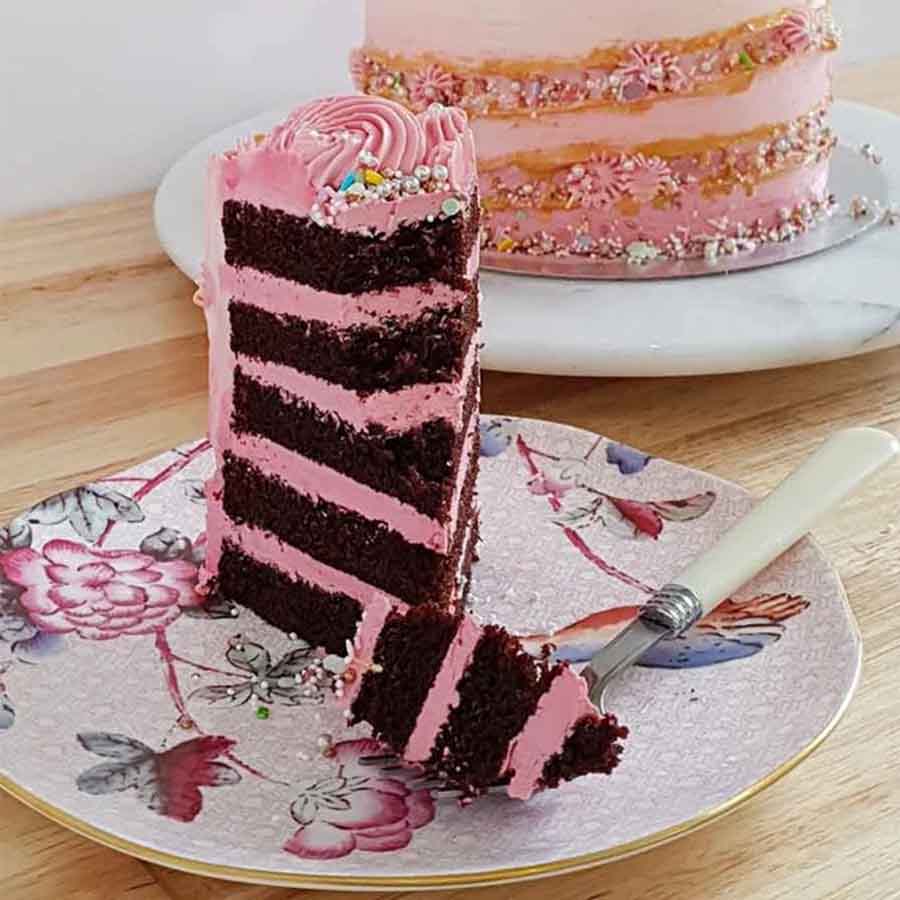
If you would rather enjoy the boozy cake without doing the baking, our Guinness chocolate cake is rich, dark, malty and made fresh to order.
Cheers, and happy baking.
Lots of love,
Reshmi xoxo


Leave a comment (all fields required)