
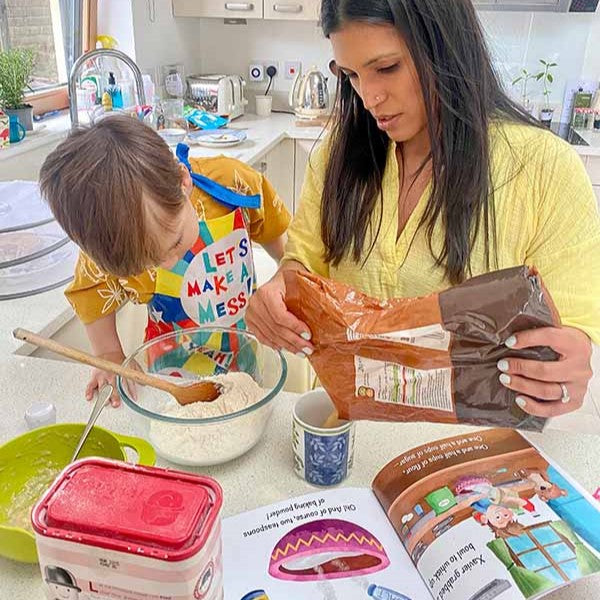
Baking with children is messy, slow and very good fun. It also gives them a real job to do: weighing, counting, reading instructions, noticing textures and seeing what heat does to a mixture.
The trick is to choose a recipe with enough hands-on work for the child and clear boundaries for the adult.
Before you start: give children the safe jobs
- Adults should handle hot ovens, hobs, hot sugar syrups and sharp knives.
- Supervise electric mixers and keep hands, hair and loose clothing away from moving attachments.
- Do not encourage children to eat raw cake batter. Raw flour can carry harmful bacteria and uncooked eggs may also present a risk.
- Check allergies before choosing ingredients, decorations or shared equipment.
- Give younger children jobs such as weighing dry ingredients, stirring, lining cases and decorating cooled cakes.
1. Start with a one-bowl sponge
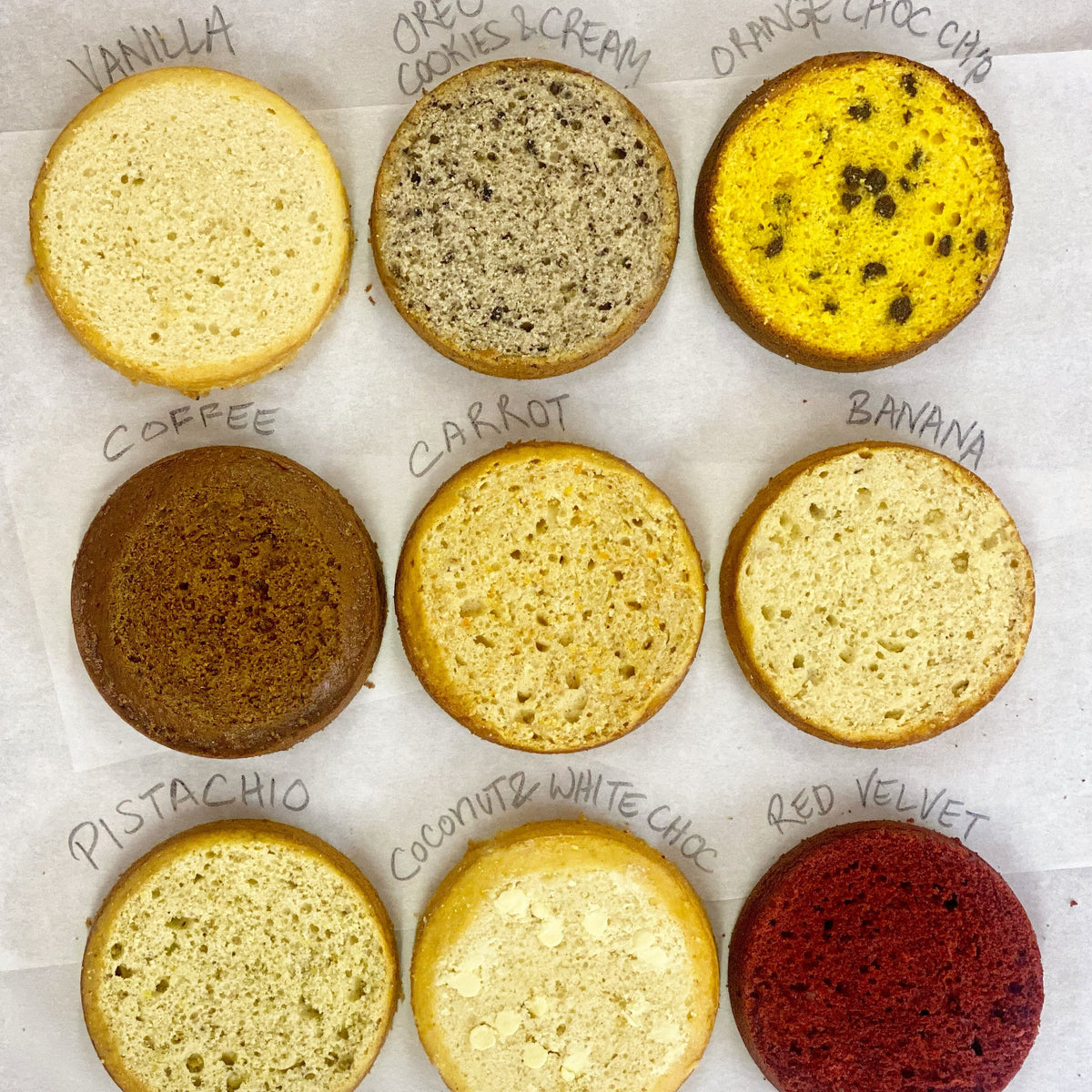
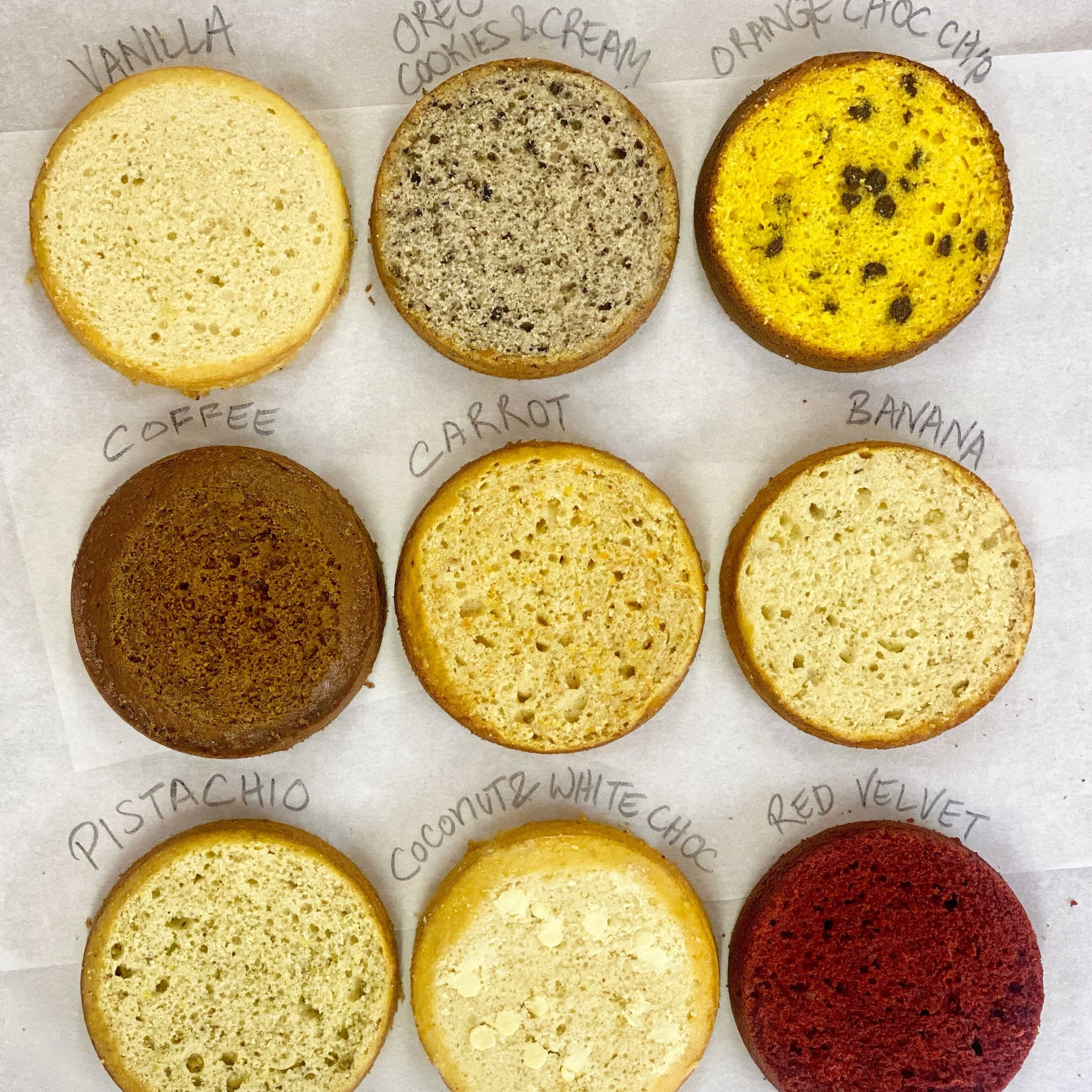
Our Hero Sponge is a useful first cake because the method is short and most of the work happens in one bowl. Children can weigh ingredients, stir the batter and choose a flavour while an adult manages the oven.
For more tested variations, see our Recipes & Baking Guides.
2. Bake cupcakes when attention spans are shorter
Cupcakes give children lots of small, repeatable jobs: putting cases in the tin, portioning batter with help, choosing colours and adding decorations once everything is cool. They also bake faster than a deep celebration cake.
3. Use the StoryBake archive for read-then-bake sessions
Our StoryBake project combined children's stories with simple recipes. The first digital book, Xavier and His Magical Blueberry Muffins, is still preserved on the site and works well as a read-first, bake-second activity.
4. Try a Fake Bake when you want decorating rather than baking
Sometimes the fun part is assembling and decorating. Our Fake Bakes archive shows how shop-bought components can be turned into a bigger cake project. Product availability and prices in older Fake Bakes reflect their original publication dates, so substitute equivalent products where necessary.
5. Teach decorating as a separate skill
A cooled cake, a small palette knife, a rubber spatula and a turntable are enough to practise spreading and piping without introducing more oven work. Keep cocktail sticks, skewers and other small supports under adult control and remove them before serving.
Choose the project for the child, not the photograph
For very young bakers, a slightly wonky tray of cupcakes they made themselves is a better project than a six-layer cake an adult had to take over halfway through. Older children can gradually take on weighing, timing, piping and more precise assembly.
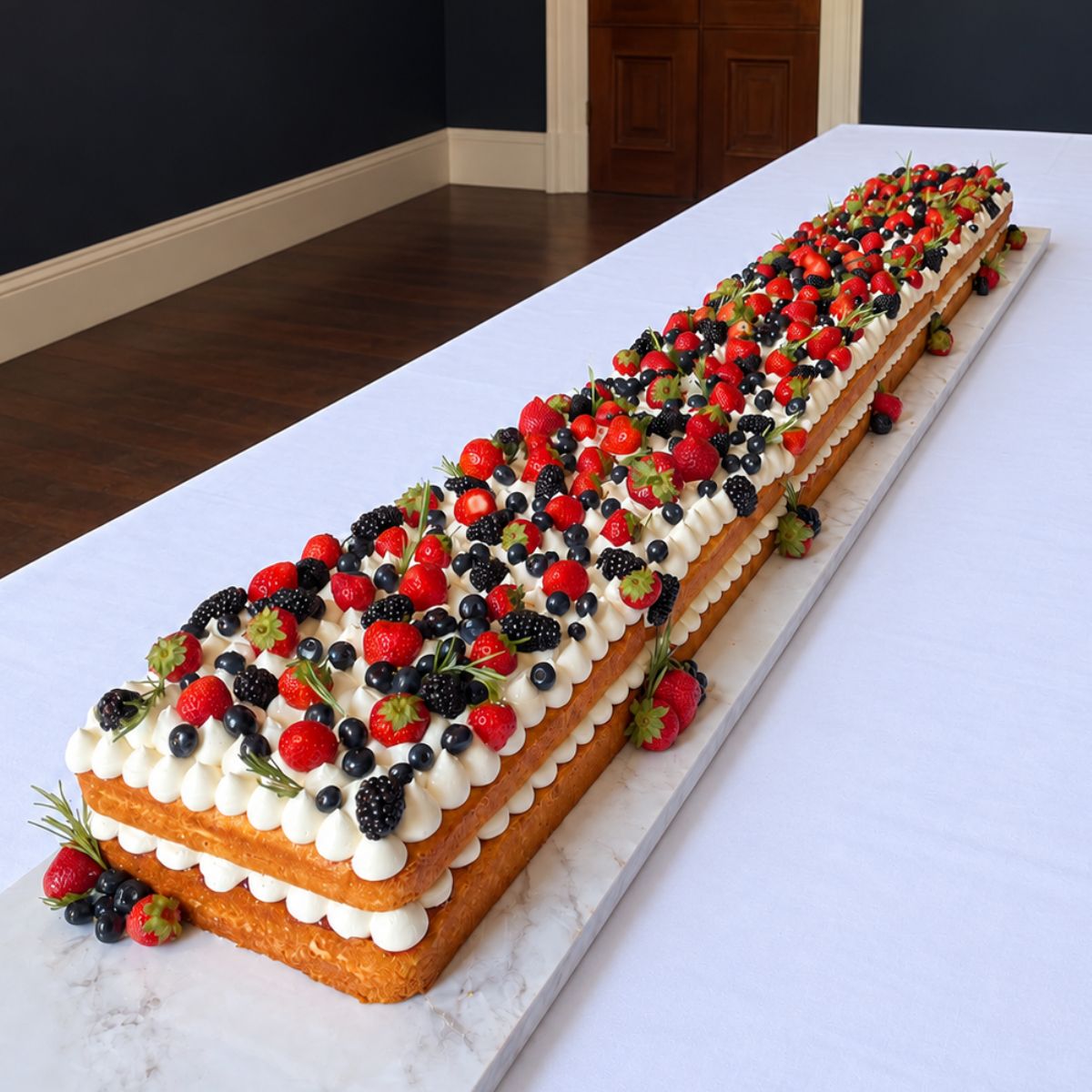
If the occasion needs a finished centrepiece as well as a kitchen activity, browse our Children's Cakes, made to order in our London kitchen and delivered across London and Surrey.



Comments