

Christmas baking is at its best when the project matches the amount of time you actually have. A gingerbread house can happily consume an afternoon; decorated biscuits can be mixed one day and iced the next; cupcakes are far more forgiving when children want to join in.
Here are a few festive ideas with the practical bits included. For tested methods, browse our Recipes & Baking Guides. If you want the centrepiece already made, see our Christmas Cakes.
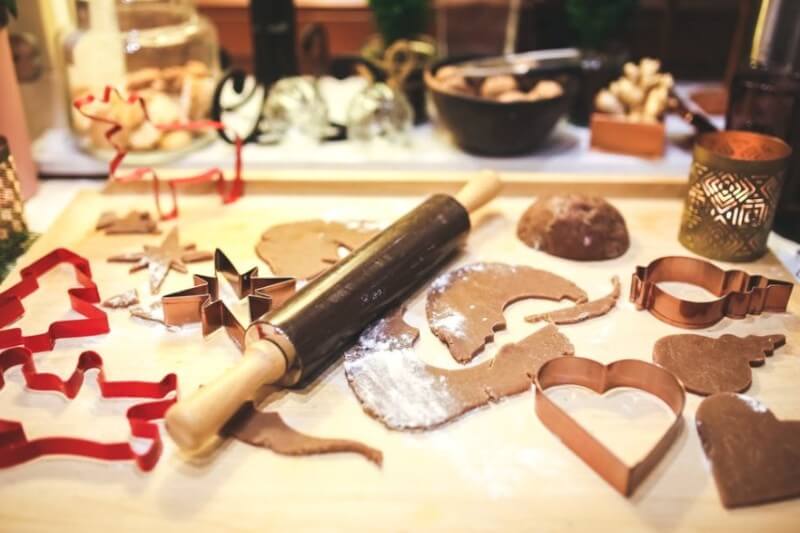
1. Build a gingerbread house in stages
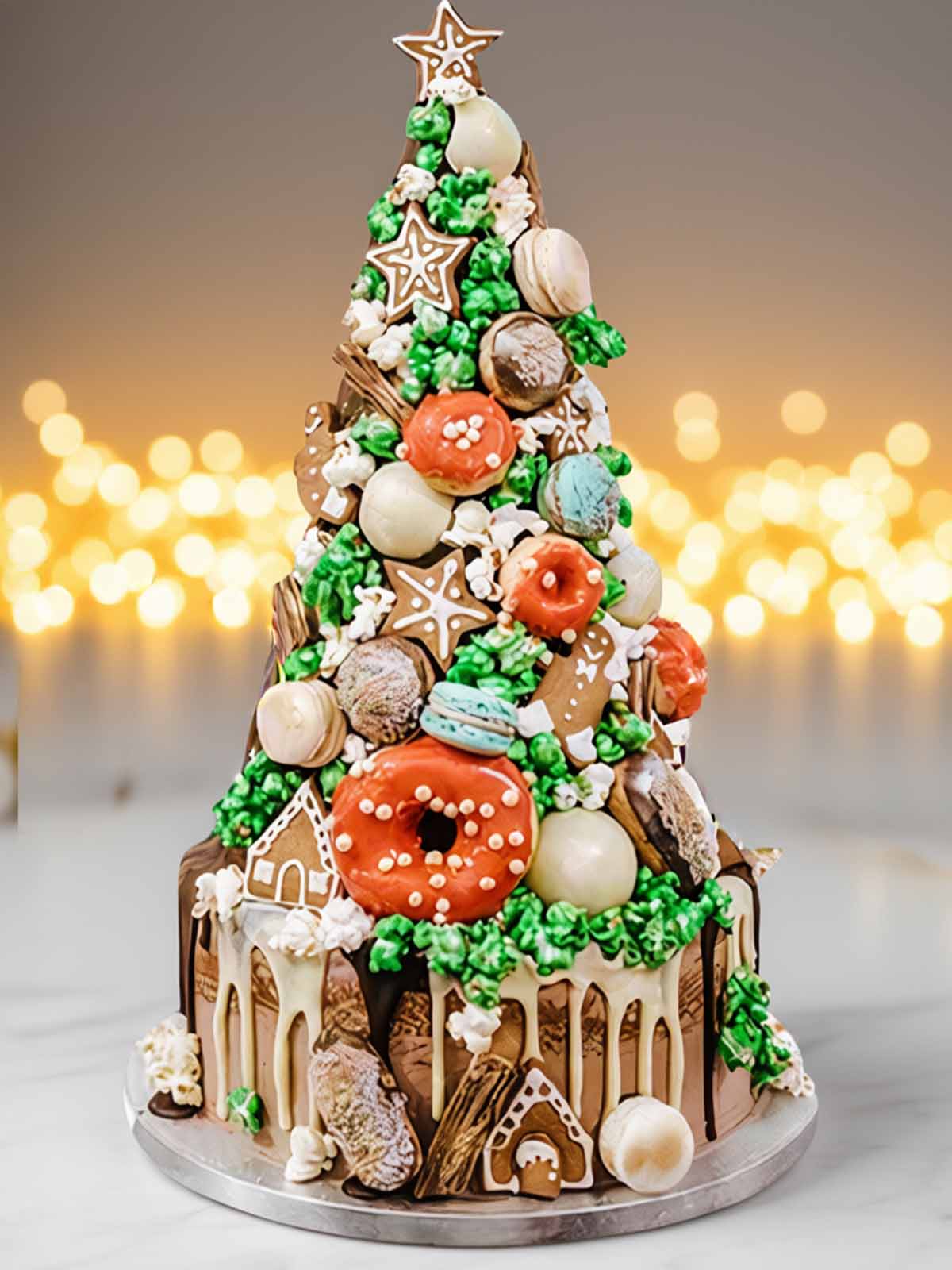
Make a paper or card template before you roll the dough, cut the pieces while the dough is cold and trim them again while they are still warm from the oven if the edges have spread.
Let every panel cool completely before assembly. For the structural icing, use a tested royal-icing method or a commercial royal-icing mix and follow its food-safety instructions. If your recipe contains uncooked egg white, use an egg-white product appropriate for uncooked use rather than improvising.
Assemble the walls and let the structure become firm before loading it with sweets. Decoration is much easier when you are not simultaneously trying to stop the roof sliding into the kitchen.
2. Make decorated Christmas biscuits
Biscuits are useful for family baking because the dough can be made in advance. Chill it before rolling, cut the shapes cleanly and bake until the centres are properly set. Cool completely before icing.
If the biscuits are intended as tree decorations rather than food, keep that distinction clear. Make the hanging hole before baking, add ribbon or string only after the biscuit is completely cool, and do not serve decorations that have spent days hanging uncovered on a tree.

3. Turn cupcakes into the easy family project
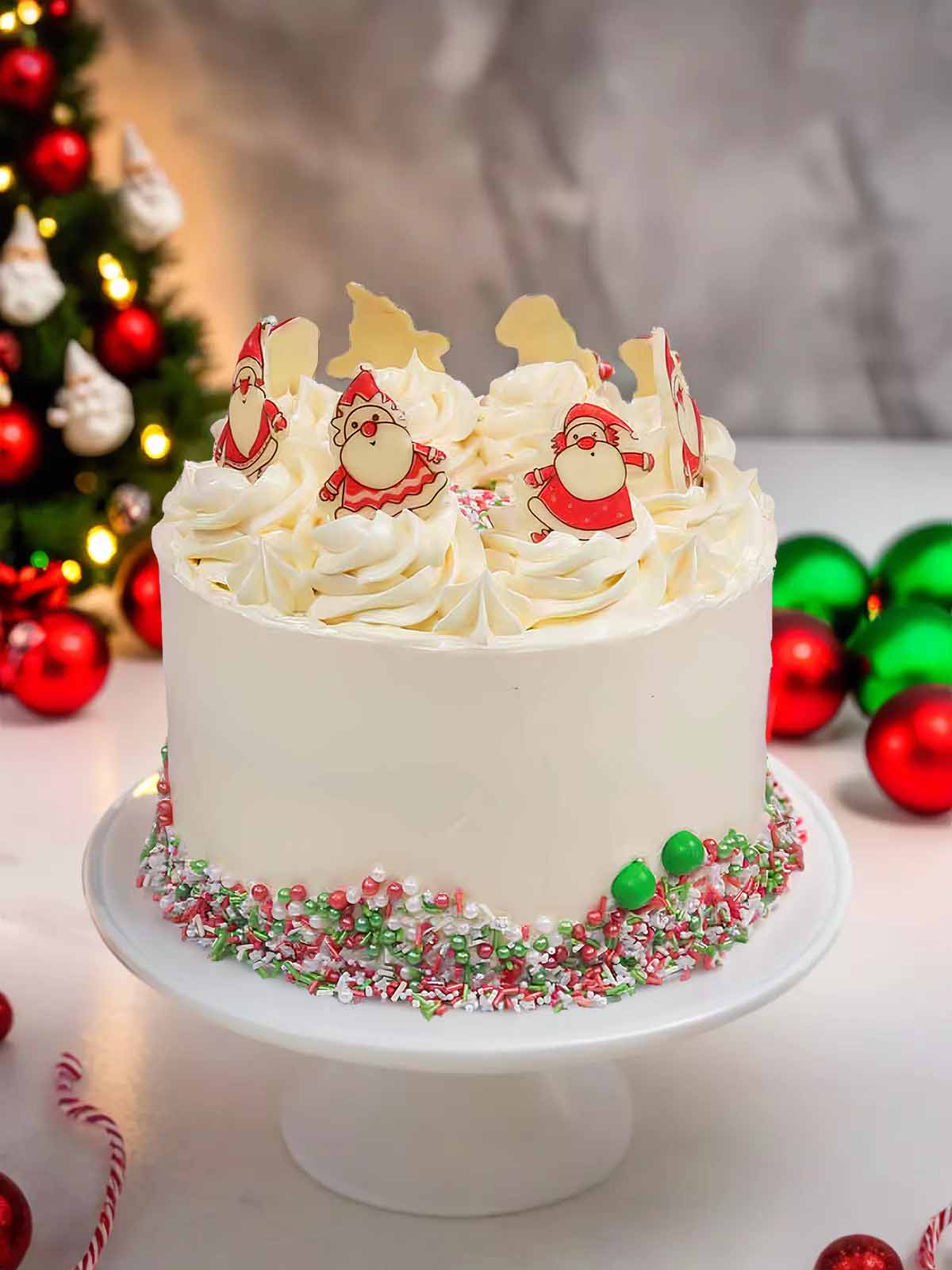
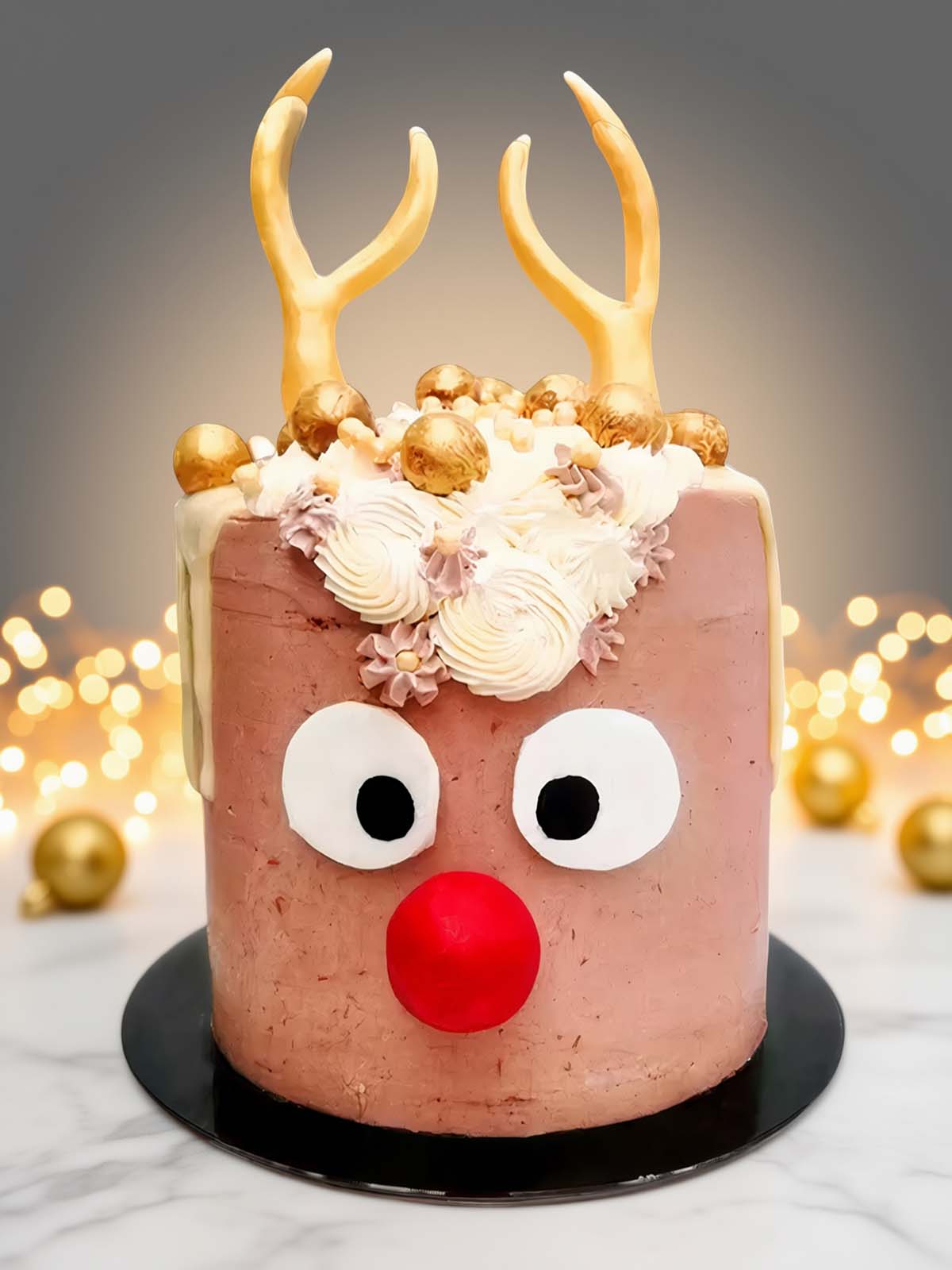
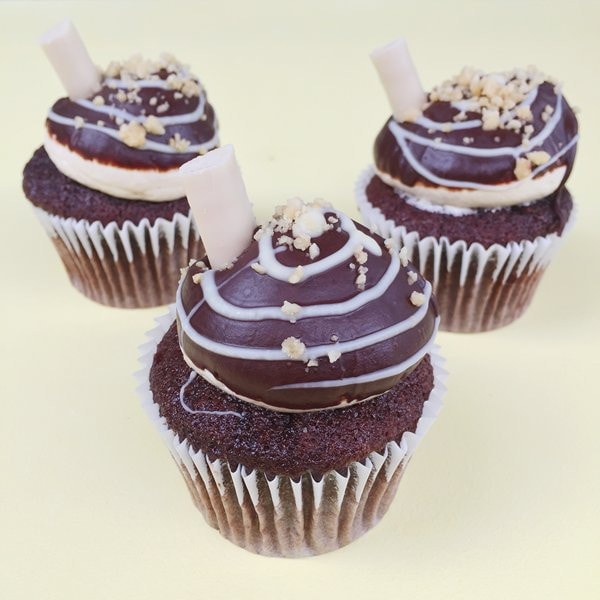
Bake a tested vanilla or chocolate cupcake recipe, cool the cakes fully, then give everyone a piping bag and a bowl of decorations. Trees, snowmen, reindeer and Father Christmas hats can all be made with buttercream and edible decorations without changing the sponge recipe.
Check packaged sprinkles, chocolates and decorations for allergens before mixing several products onto one cake.
4. Bake chocolate-orange brownies
Chocolate and orange feels instantly festive. Add finely grated orange zest to a reliable brownie recipe and judge the bake by the recipe's intended texture rather than trying to preserve raw batter in the centre. A fudgy brownie should still be baked through according to a tested formula.
Cool brownies before cutting if you want neat squares. Warm them again briefly for serving rather than extending the first bake until the edges are dry.
5. Make a no-bake cheesecake, then keep it chilled
A ginger-biscuit base with a cinnamon or orange cheesecake filling makes an easy make-ahead dessert. Because no-bake cheesecake normally contains cream cheese and often double cream, keep it covered in the refrigerator and return leftovers promptly after serving.
Follow a tested recipe for the setting ratio rather than adding extra liquid flavourings freely; small changes can turn a sliceable filling into a pudding.
6. Pack homemade cookie gifts properly
Cookies should be completely cool before they go into a bag or box. Packing warm biscuits traps condensation and softens them. Keep crisp and soft cookies separate, list important allergens for the recipient and use a recipe with a storage life appropriate to the day you are gifting them.
7. Make hot chocolate for the people who are not decorating
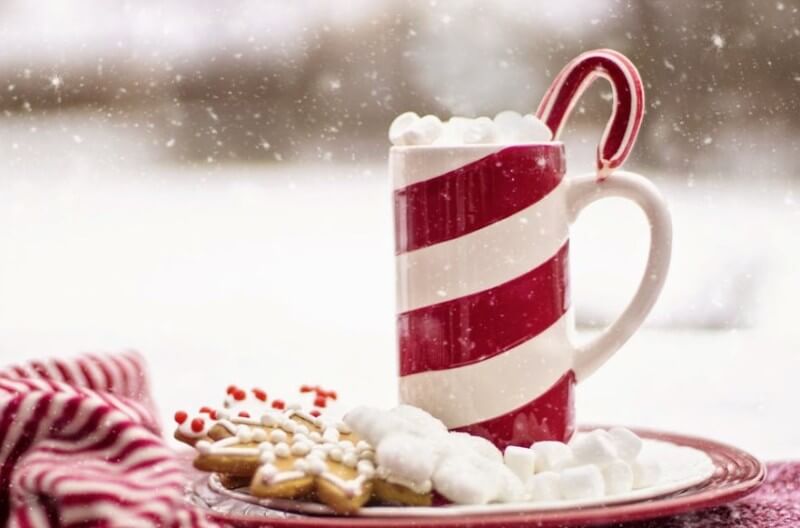
Good hot chocolate needs very little: milk, chocolate and whatever toppings you actually enjoy. If an adult version contains Baileys or another alcoholic ingredient, label and serve it as an adults-only drink and keep it separate from children's cups.
One useful Christmas rule
Do not attempt six new techniques on Christmas Eve. Pick one showpiece and let the rest be simple. Bake biscuits ahead, freeze suitable sponge layers, prepare decorations early and leave the final day for assembly.
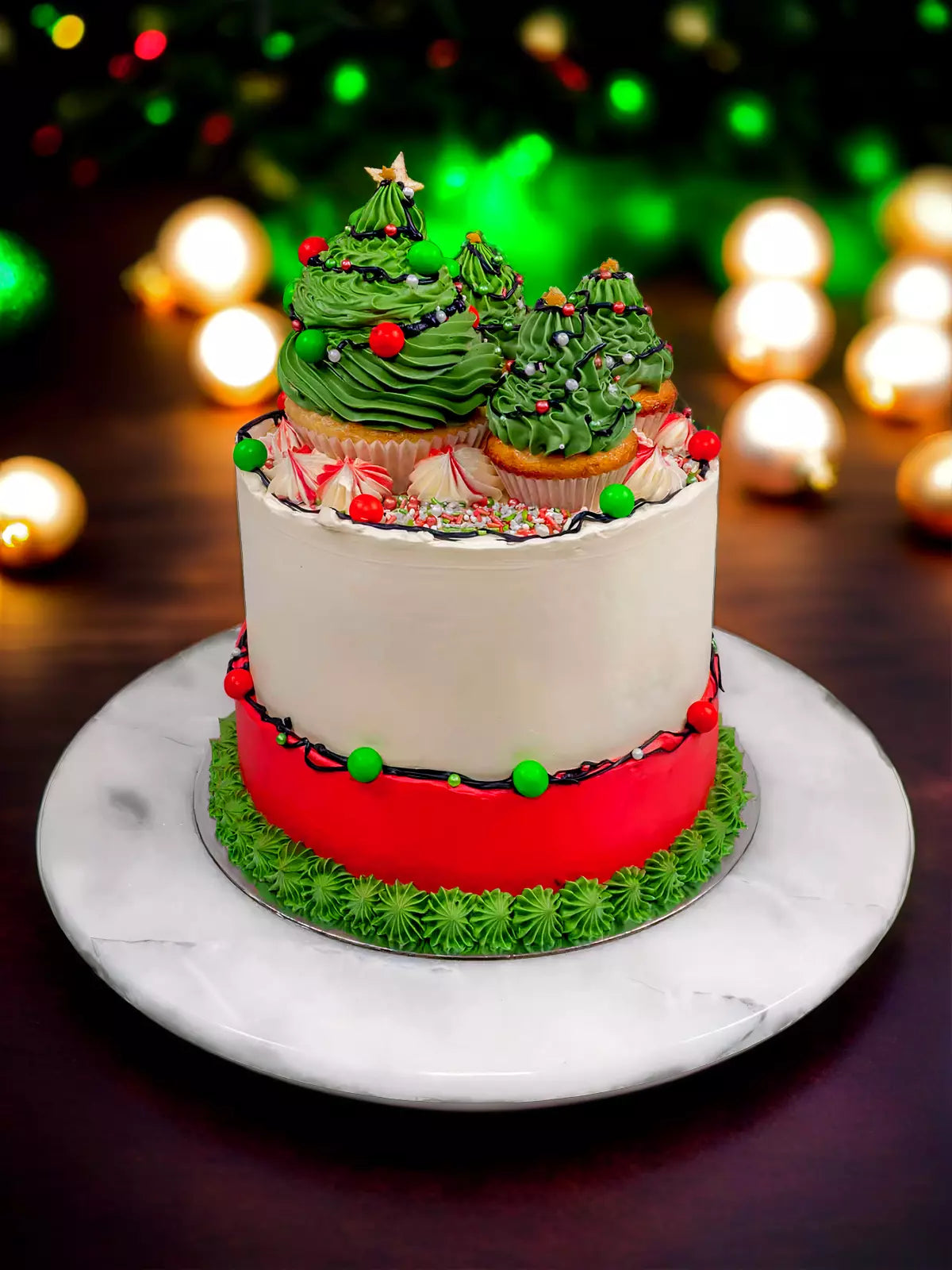
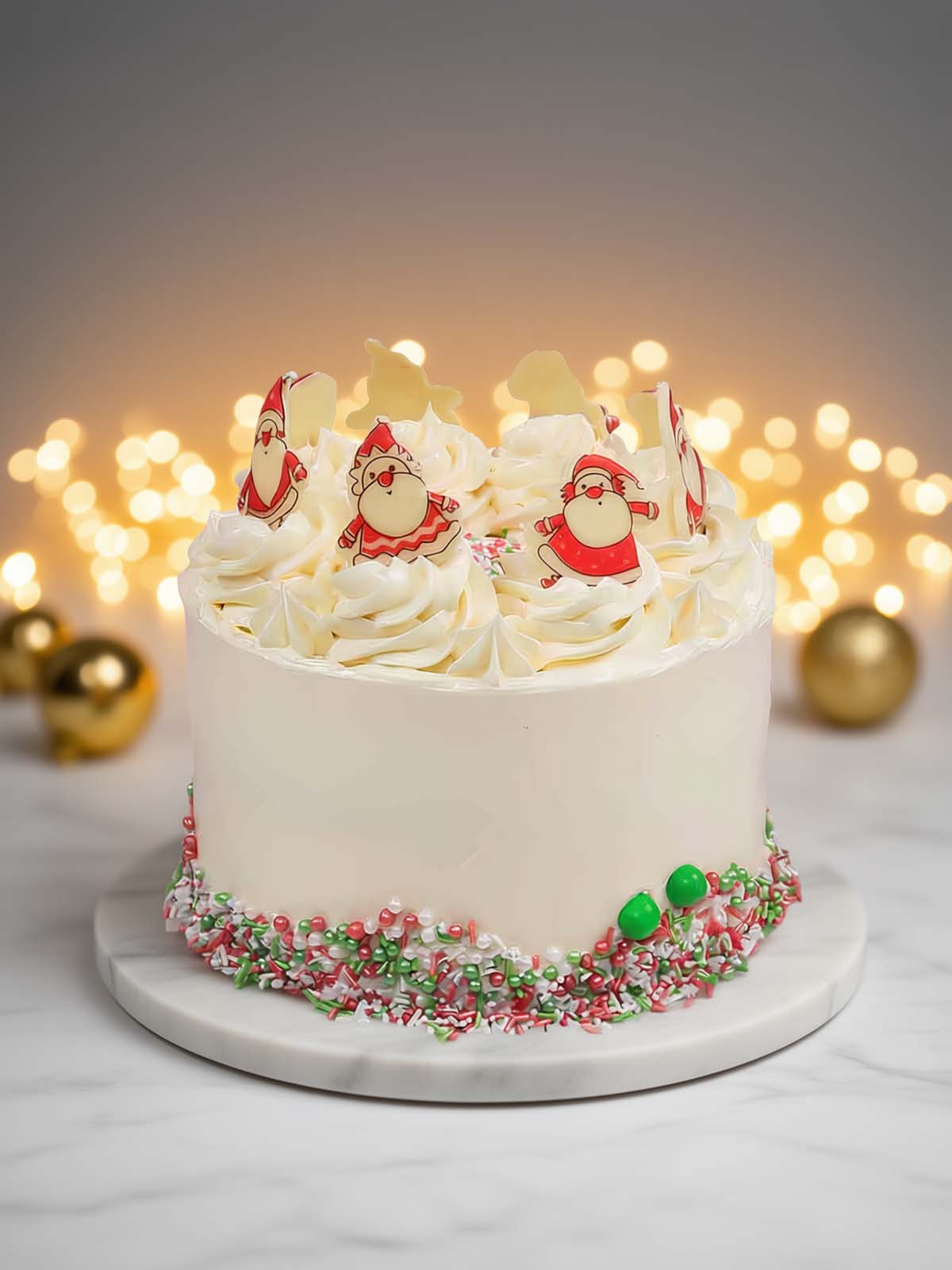
For more home-baking projects, browse our Recipes & Baking Guides. Or skip the oven and browse our Christmas Cakes.


Comments