
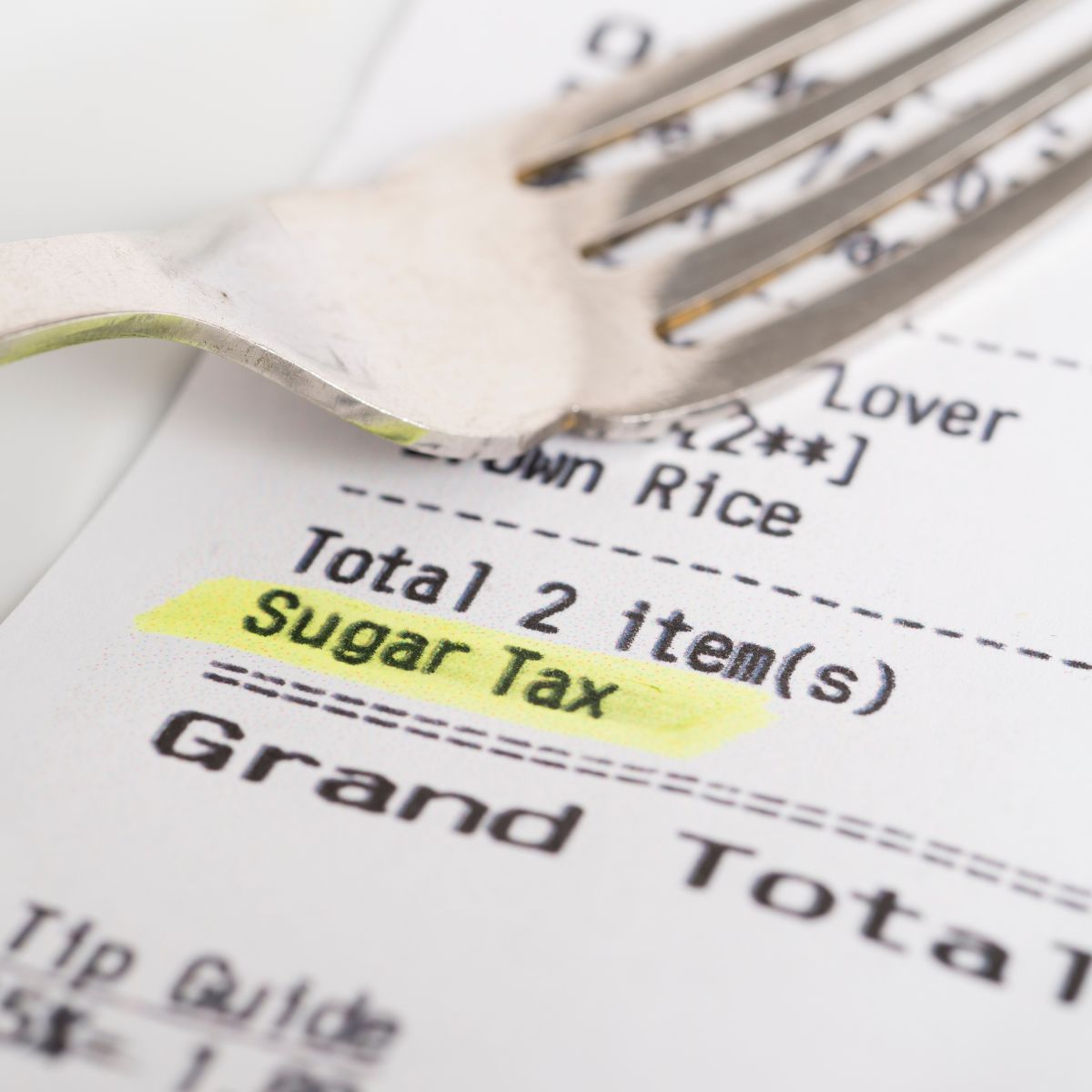
Update, September 2026: This open letter was written in August 2025, when Rachel Reeves was Chancellor. Since publication, Soft Drinks Industry Levy rates increased in April 2026 and further changes are scheduled for 1 January 2028. We have also corrected passages that overstated what the World Health Organisation concluded about non-sugar sweeteners. The argument and opinions remain those expressed at the time.
Dear Chancellor,
I hear you’re pulling out the Treasury’s knives for another round of “sin taxes”. Gambling, junk food, milkshakes and yet another extension of the sugar levy. It sounds sweet on paper: shred waistlines, bulk up coffers, saucy headlines. But in the real world, it looks far from health policy and is yet again twisting the knife into the sides of low-mid income families.

We’d lived with the sugar tax for seven years by the time this was written (we've done a deeper dig here). Has it solved obesity? No single policy can fairly carry that test, and childhood obesity remains stubbornly high. The levy has, however, pushed substantial reformulation and reduced sugar in many soft drinks. A lot of replacement products use non-sugar sweeteners such as aspartame, sucralose and acesulfame-K. In 2023 the World Health Organisation recommended against using non-sugar sweeteners as a means of controlling weight or reducing the risk of diet-related disease, because the evidence did not show a long-term benefit and observational studies showed some adverse associations. Crucially, WHO also says that recommendation is not a toxicological safety assessment and does not replace established guidance on safe intake levels. My concern is therefore not that sweeteners have been proven to be “worse than sugar”; it is that replacing one intensely sweet formulation with another does little to retrain our taste for sweetness.

Taste hasn’t fared much better. Real sugar has balance, warmth, and that slow swell of flavour across the tongue. Sweeteners? Metallic, medicinal, tinny. Sanpellegrino blood orange used to be bold and brilliant. Now it tastes like pennies in Fanta. Diet ginger beer? Bit paint-strippery. And yet these are the “healthy” alternatives we’re told to applaud.
And then there’s the matter of fairness. At the time of writing, a "full-fat" Coke could cost north of £2 while supermarket own-brand diet cola was dramatically cheaper. So as a parent who makes a conscious decision to treat my child to a fizzy drink on occasion, I get penalised for choosing the sugared version. And guess which one low-income families are most likely to choose when price matters? You worked as an economist at the Bank of England earlier in your career, so the distributional argument will hardly be unfamiliar: consumption taxes can land proportionately harder on households with less disposable income. The free-market Institute of Economic Affairs has also argued that the levy should be repealed rather than expanded.
If you really want to tackle obesity, try something smarter. We’ve done it before. Remember the salt-reduction strategy of the 2000s? Quietly lowering salt levels bit by bit reset our taste palates without anyone feeling cheated. Why not do the same with sugar? Reduce sugar content in food and drink gradually, retrain taste buds, and ease-up on the chemical quick-fixes. Add bold front-of-pack labelling for sweeteners, so parents know what they’re buying. Invest levy revenue in healthier public options, like fizzy-water fountains in schools (I know, I know, sounds a bit bougie and which kid likes fizzy water - but we're talking about retraining palates), rather than padding manufacturers’ margins.
We haven’t solved the problem, we’ve just changed the formulation. Britain is still addicted to blinding sweetness. Only now much of it comes with a halo of “zero calories”, without necessarily changing our appetite for intensely sweet drinks.

Sweetness should be a treat, not a loophole. It’s not your birthday every day, and you don’t need cake every day. But when you do, have one that’s worth the calories. Real sugar, real butter, real ingredients, real flavour. That’s being honest with health.
Yours sincerely,
Reshmi Bennett
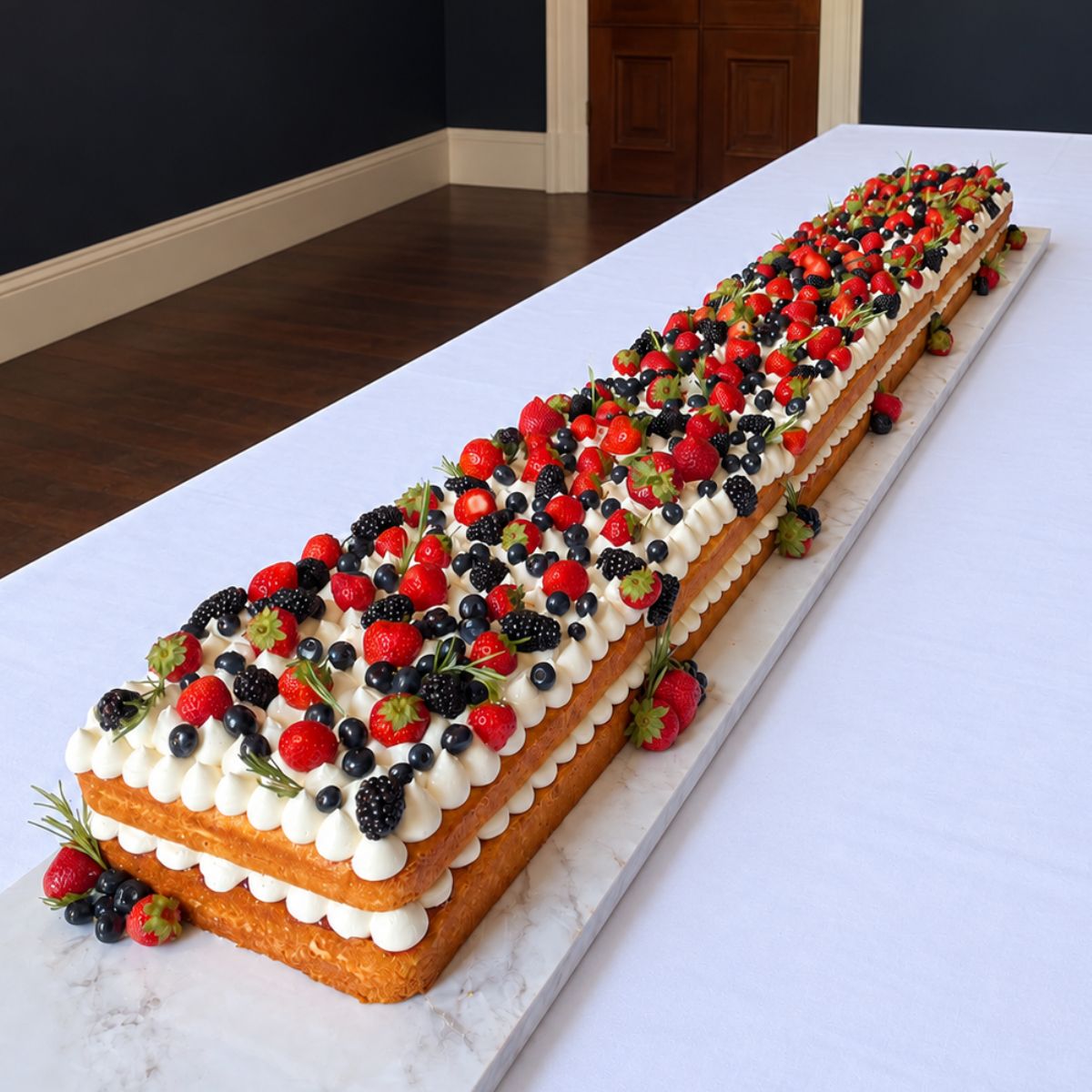

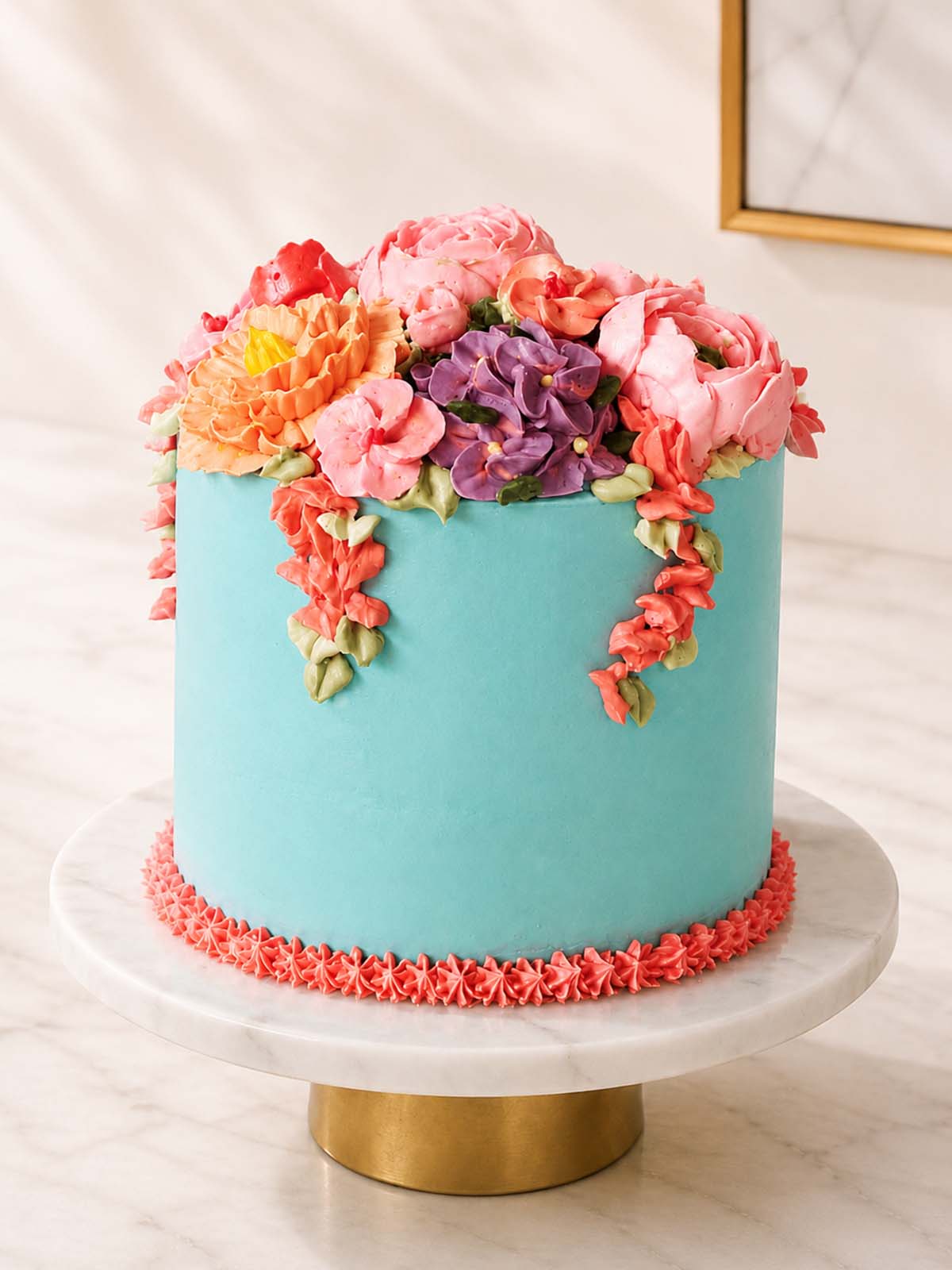
The sugar tax has slimmed wallets, not waistlines, while adding chemical oddities to our diets. I suppose cakes are next on the Chancellor’s hit list.