
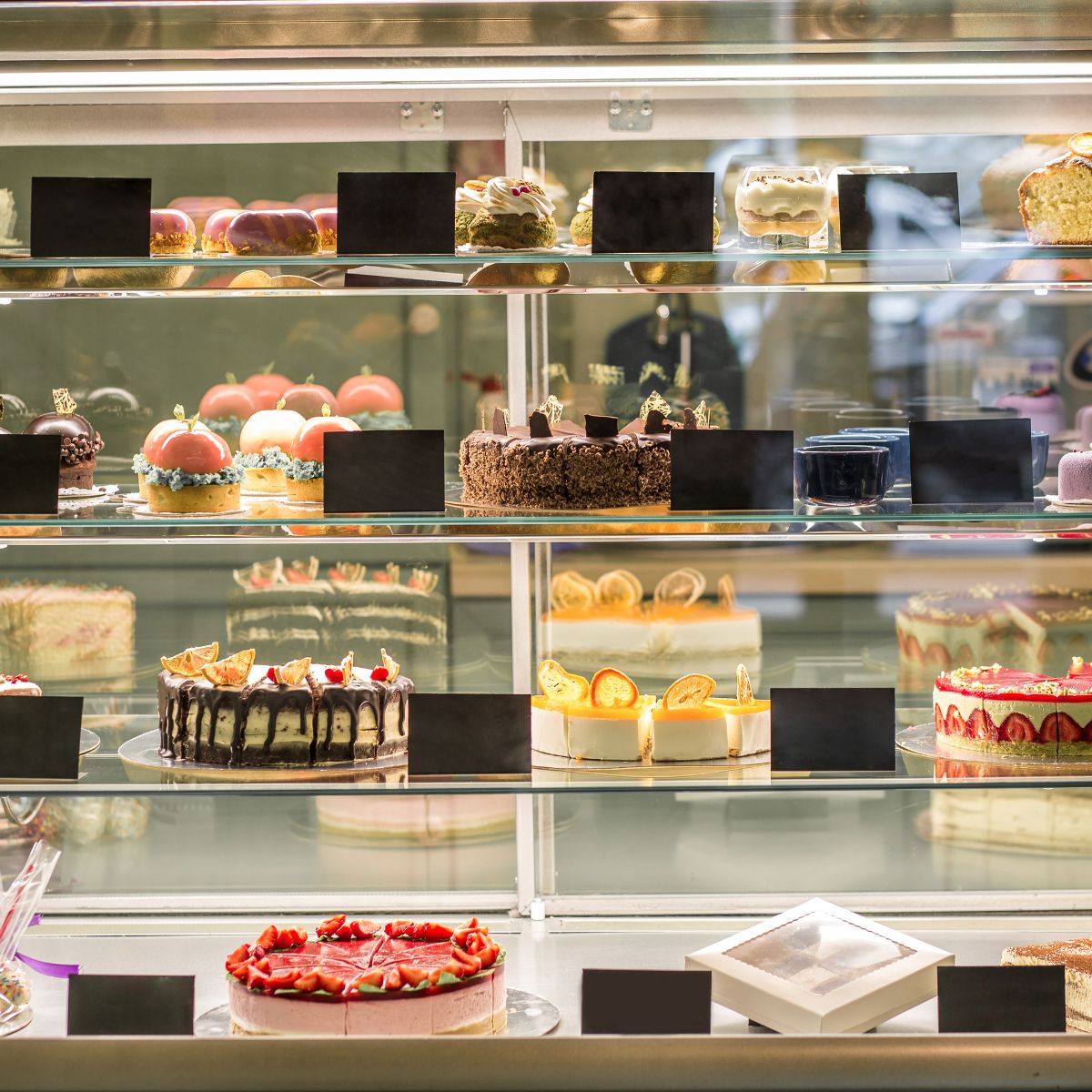
Ask ten people in London to name a proper cake and you will probably hear ten different answers. That is partly because London is a city of imports, reinventions and food obsessions, but it is also because cake means different things to different people. A birthday cake bought in Chelsea is not doing the same job as a Victoria sponge in Yorkshire or a sticky ginger cake in Lancashire.
So rather than pretending there is one definitive answer, this is a look at the cakes that define London and the wider UK, what they say about the people buying them, and why the capital has become such a strange and brilliant meeting point for British cake culture.
1. Victoria Sponge
The Victoria sponge is probably the most recognisable British cake of all: two simple sponge layers with jam and cream or buttercream in the middle. It is domestic, nostalgic and almost aggressively sensible.
In London, though, it has quietly become more polished. Better vanilla, softer sponge, sharper jam and a cleaner finish have turned what was once an everyday tea cake into something that can sit comfortably on a celebration table. Our Victoria Sponge Cake is a good example of how the classic can be treated seriously without losing what makes it familiar.

2. Red Velvet
Red velvet is not British, but London has adopted it enthusiastically. Its appeal is partly visual: a deep red sponge looks dramatic when cut. But properly made red velvet is not simply chocolate cake dyed red. It should have a subtle cocoa flavour, buttermilk tang and soft crumb.
London’s version tends to be more design-led than the American original. You see red velvet under polished buttercream, ganache, truffles and elaborate decoration rather than simply cream cheese frosting. If that is the flavour you want, browse our red velvet cakes.

3. Carrot Cake
Carrot cake is another cake that feels deeply British even though versions of sweetened carrot puddings go back much further. The British version is usually generous: spice, walnuts, soft crumb and a thick layer of frosting.
It is also one of the few cakes that people can convince themselves is almost sensible because it contains a vegetable. We will not interfere with that useful fiction.
Our Crazy for Carrot Cake leans into the flavour rather than hiding it beneath decoration.
4. Lemon Drizzle
Lemon drizzle is the great British answer to people who claim they “do not really like cake”. It is bright, simple and difficult to make too heavy. The best versions have enough acidity to cut through the sugar and a crumb that stays moist from the syrup.
London bakeries have turned it into everything from neat loaf cakes to highly decorated celebration cakes, but the flavour still needs to remain recognisably lemon. See our lemon cakes for our take on it.
5. Chocolate Cake
Chocolate cake is universal, but in Britain it has a particular place at birthdays, school fêtes and Sunday lunches. The supermarket tray-bake version, the glossy restaurant version and the extravagant celebration version all belong to the same family.
In the London cake scene, the language of cake tends to become more luxurious: ganache, Valrhona chocolate, truffles, praline and dramatic height. Our chocolate cakes range from straightforwardly rich to completely unreasonable.
6. Coffee and Walnut
Coffee and walnut cake feels like it belongs in a village hall, which is precisely part of its charm. It has survived decades of changing cake trends because the combination simply works: bitter coffee, toasted walnut and sweet frosting.
It is less fashionable than pistachio or matcha, but it has something those flavours do not yet have in Britain: memory. That counts for a lot.
Browse our coffee cakes if you are firmly on Team Coffee.
7. Pistachio Cake
Pistachio is one of the clearest examples of how London cake culture differs from the broader British tradition. It draws on Middle Eastern, Italian and South Asian flavour references and now appears everywhere from bakery counters to Michelin-starred desserts.
The important distinction is between actual pistachio flavour and green colouring. Real pistachio is nutty, slightly savoury and far less aggressively sweet than many celebration-cake flavours. Our pistachio cakes use Sicilian pistachios rather than flavouring pretending to be them.
8. Funfetti
Funfetti is another American import London has made its own. It is essentially vanilla sponge with coloured sprinkles baked through it, but that undersells the point. The appeal is the reveal: a fairly polished cake on the outside becomes instant party chaos when sliced.
It is now just as likely to appear at a thirtieth or fortieth as a child’s birthday. See our Funfetti cakes for the full sprinkle situation.
9. Matcha Cake
Matcha cake is a particularly London kind of obsession: borrowed from Japanese tea culture, adopted by cafés, then pushed into layer cakes, cookies, soft serve and everything else people could turn green.
The flavour is grassy, slightly bitter and much more interesting when balanced with vanilla, white chocolate, strawberry or cherry. Our matcha cakes use proper matcha and are designed for people who want the flavour, not just the colour.
10. Croquembouche
A croquembouche is French rather than British, but London’s food culture has always been happy to steal good ideas. A tower of caramel-bound choux buns filled with pastry cream is exactly the sort of thing that makes sense at a wedding, party or large dinner where the dessert needs to make an entrance.
It is architectural, theatrical and extremely difficult to carry on the Tube. We deliver ours for a reason. Browse our croquembouches.
So what is the difference between London cakes and British cakes?
British cake culture is built on familiarity: sponge, fruit, spice, jam, tea and recipes that people recognise from childhood. London keeps those traditions but layers international flavour, restaurant technique and much stronger visual design on top.
That is why you can move from Victoria sponge to pistachio, matcha or red velvet without leaving the same cake shop. London is not replacing British cake culture; it is continually adding to it.
Which cake should you choose?
If the person loves tradition, start with Victoria sponge, lemon, carrot or coffee. If they want something richer, chocolate and red velvet are safer bets. Pistachio and matcha suit people who actually care about flavour. Funfetti is for people who refuse to take adulthood too seriously. Croquembouche is for people who want the dessert to become part of the room.
Or ignore all of that and choose the cake they always order. Nostalgia is a perfectly valid flavour.
For the current range, see our cake collection.
Comments