
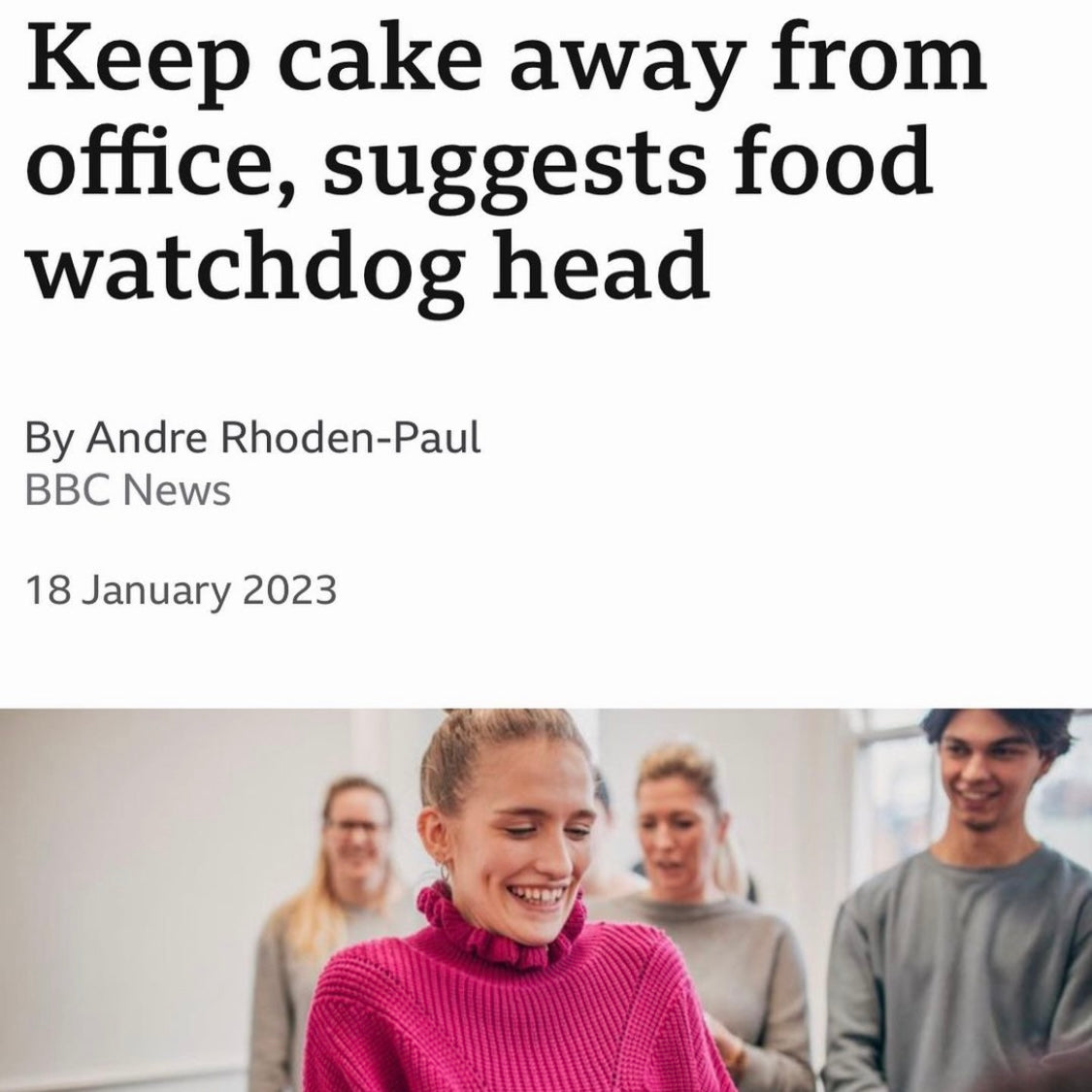
So you might have seen a certain BBC article* doing the rounds last month. And you may also have seen my fairly volcanic reaction to it over on Instagram (there’s a post on my IG grid if you fancy a peek).
But if you missed the drama, let me catch you up.

The head of the UK’s Food Standards Agency publicly suggested — in a personal capacity, apparently — that people should avoid bringing cake into offices for celebrations like birthdays, farewells, promotions and general “we survived another week” cheer. She compared office cake to passive smoking in the way it can “harm” others.

There are many ways you could interpret her statement, and plenty of think pieces have already tried. There’s also an academic study behind it — which I’m not diving into today.
But I do have a very clear opinion about the heart of this.
Cake brings people together. Its power is wildly underestimated. As William Somerset Maugham observed, few things are as unifying as cake. Throughout history, cakes have marked moments of joy, grief, triumph, ritual and connection — a literal breaking of bread, but sweeter.

Celebrations, big or small, are about shared joy. Cakes become the focal point — the moment everyone gathers, pauses and acknowledges something good. Tell me: when was the last time you were thrilled to hover around a fruit basket to congratulate Becky on her wedding? Or rushed over to toast the sales team’s big quarter around hummus and carrot sticks? Or celebrated Rupert’s new baby beside a bowl of lukewarm olives?

Cakes also play a practical social role. Anyone who’s been to a Macmillan Coffee Morning or office bake sale knows that cake is one of the most effective fundraisers imaginable. Low cost, high impact, easy to share. A “charity sandwich sale”? Absolutely no one is running for that.

And as for the “But cake is So UnHeALThY, Susan!” argument — here’s the bombshell: people don’t actually have to eat it. Enjoying the moment doesn’t require consuming a crumb.
Even socially, “come over for tea and cake” isn’t just about literal tea and literal cake (though both would be lovely). It’s shorthand for “come for a warm chat, a breather, a moment together”. Cake is simply the symbol. And as grown adults with full autonomy, we are perfectly capable of resisting the magnetic pull of a slice of Victoria Sponge.
Sure, there are people like Karen in the office — the ones who weaponise cake to shame others. “Not on a diet, are you?? LOLOL!” or “Oh go on, one little bite of chocolate cake won’t kill you!” Those comments aren’t about cake; they’re about social pressure. And honestly? That’s on Karen, not the cake.
The real point is this: cake — whether lovingly baked at home, whipped up as a Fake Bake, bought at the supermarket or ordered from a bakery — is a joyful, communal way to mark something meaningful. And as long as that’s the spirit, there is no harm and a lot of good.
And next time Karen tries to force-feed you, you can gently shut it down with: “You enjoy, Karen — I’m saving mine for later,” or “Bit delicate today — I prefer to indulge when I’m closer to my own loo.” Translation: bore off, Karen.
PS — If you’re planning a cake for a community moment but nervous about baking one yourself, try the Hero Sponge recipe. It comes in multiple variations and never lets you down.
*And here’s the link to that joyless BBC article.
Love,
Reshmi xoxo
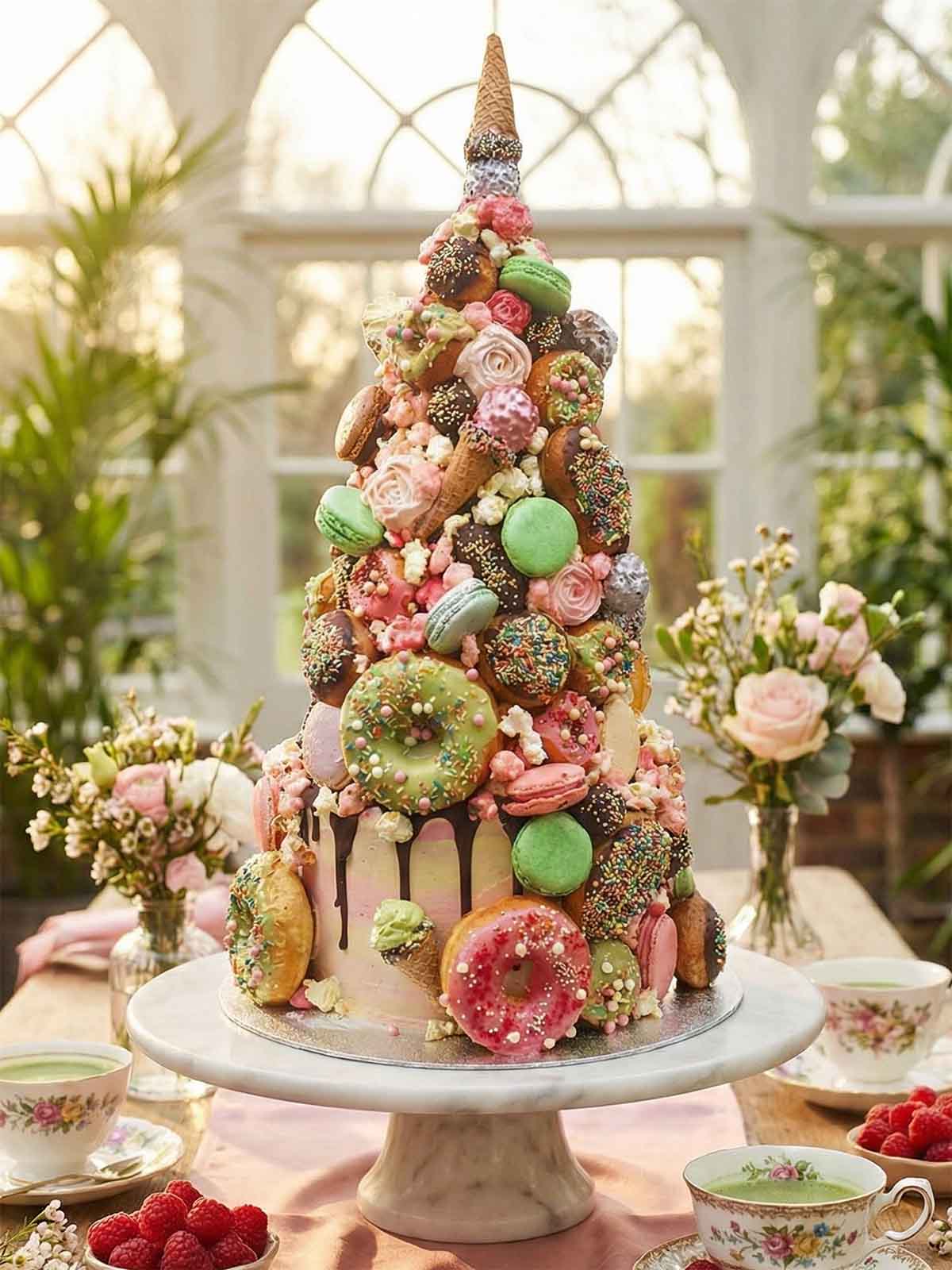
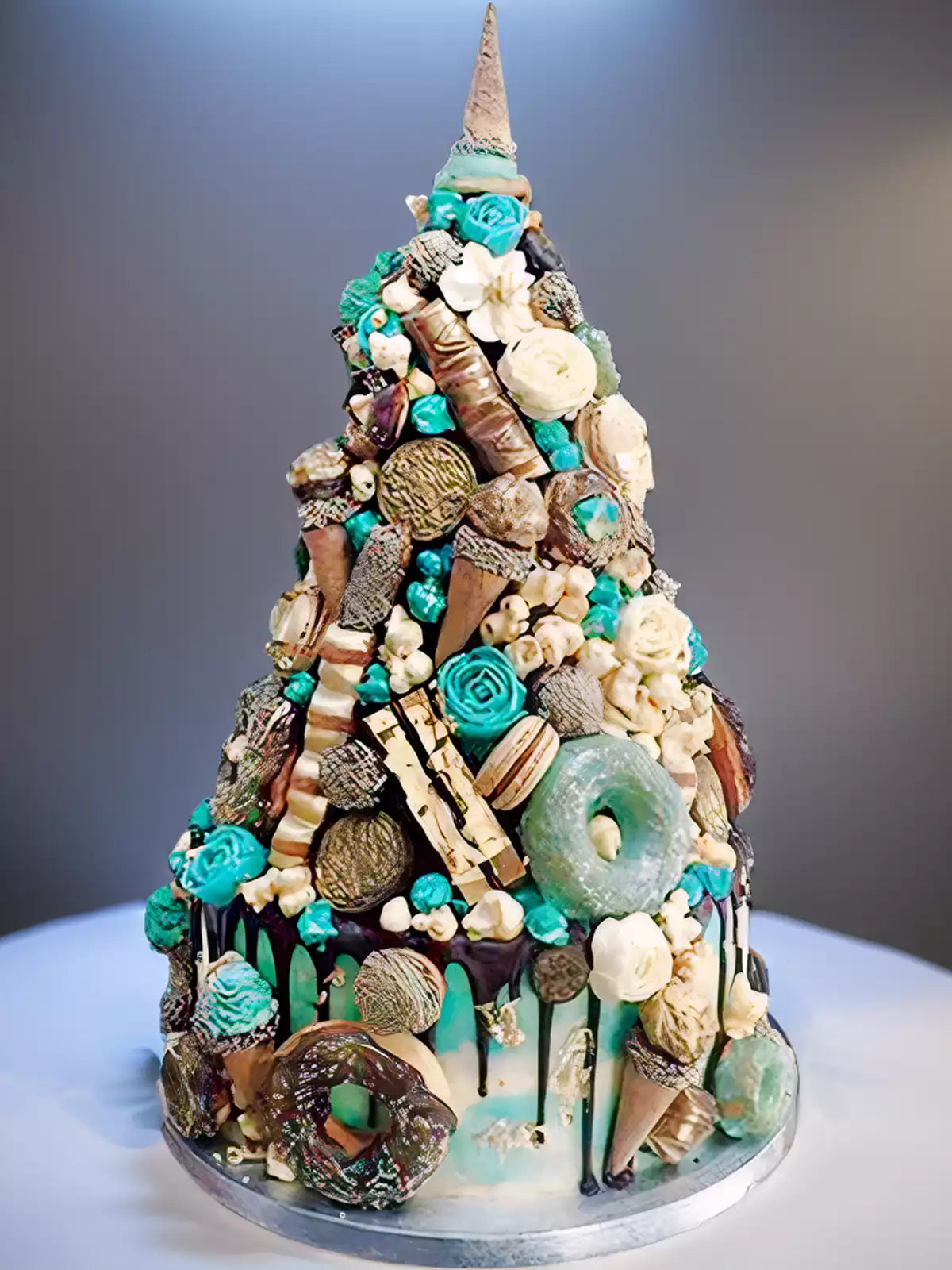
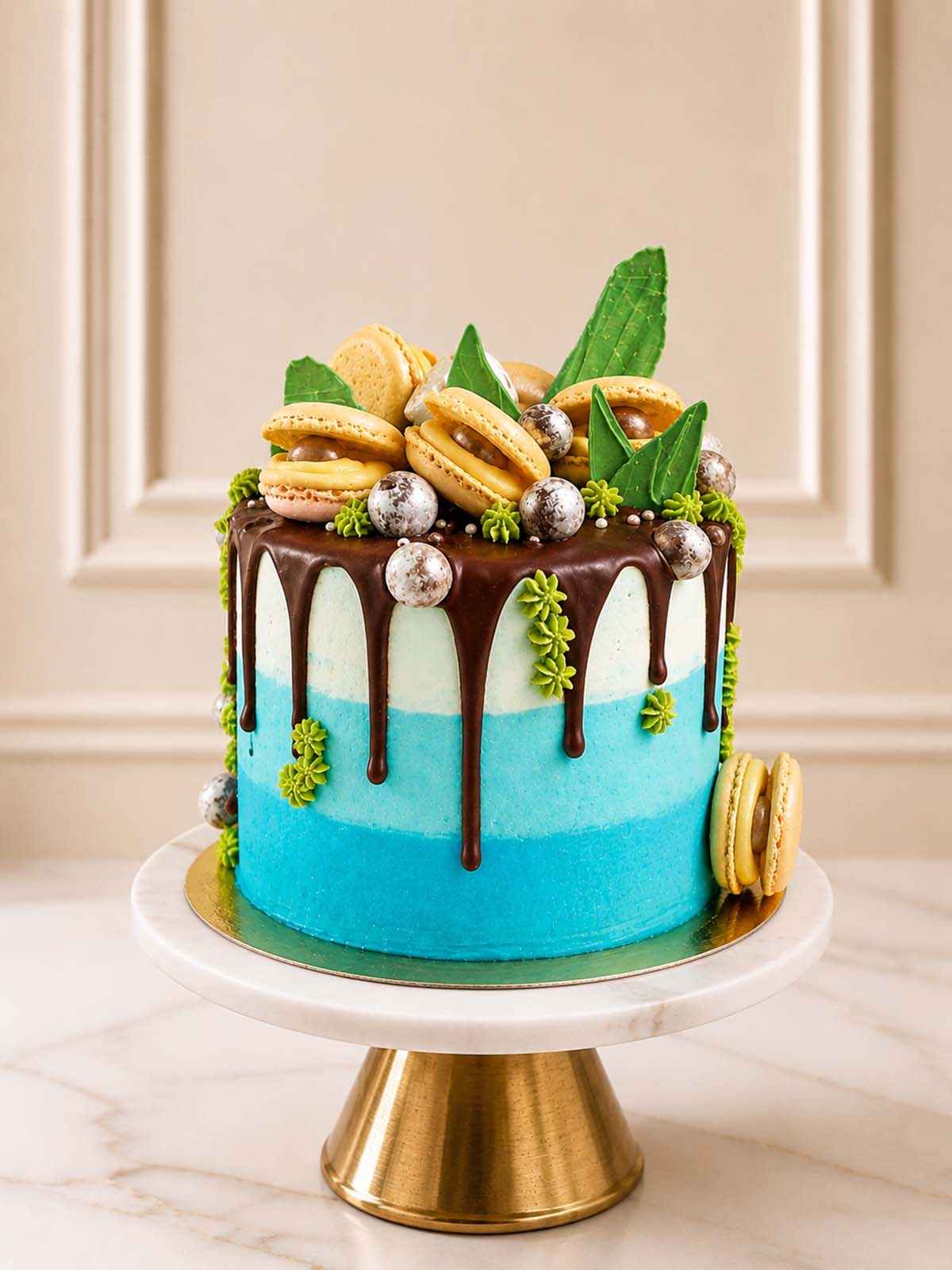
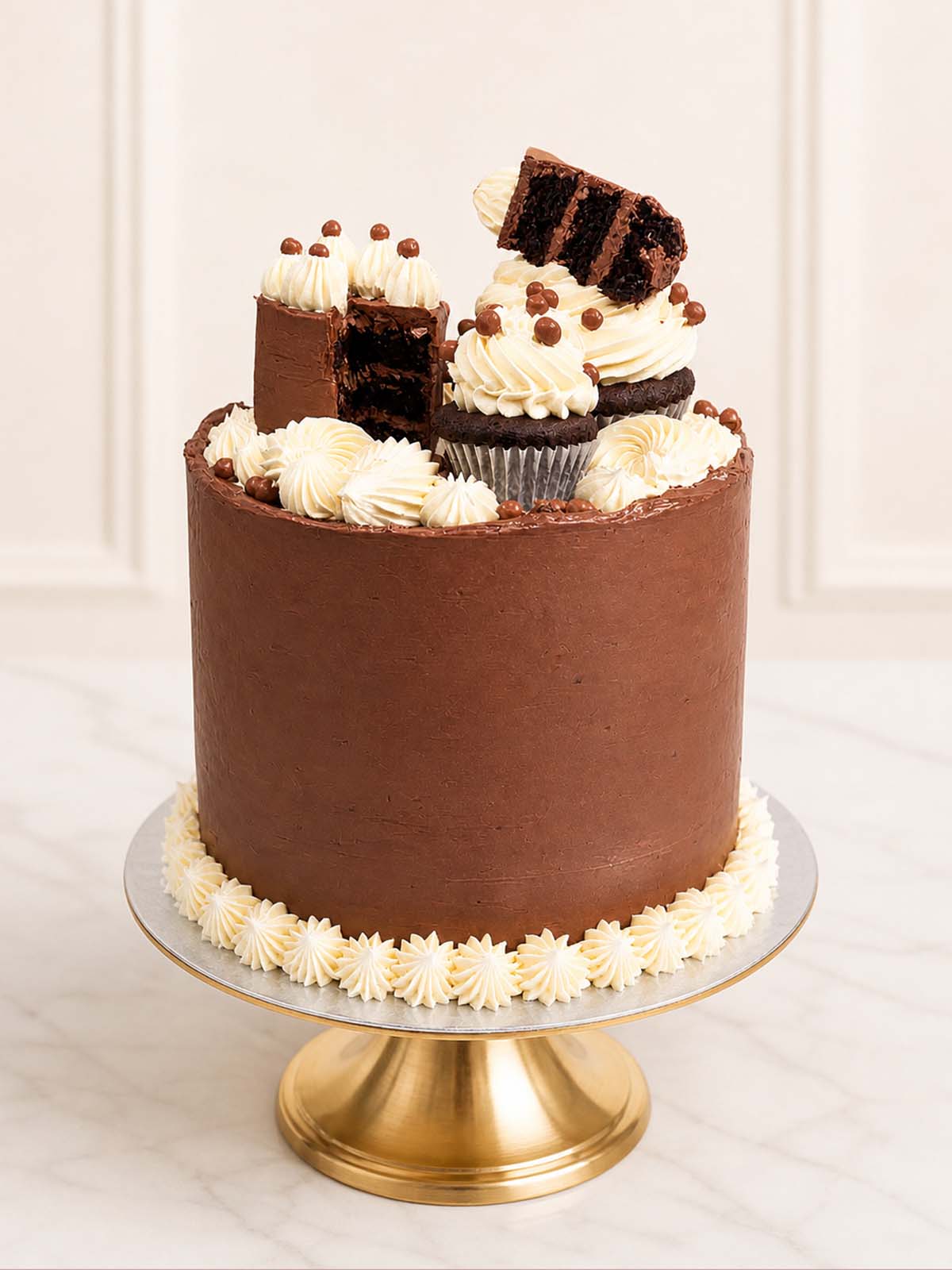
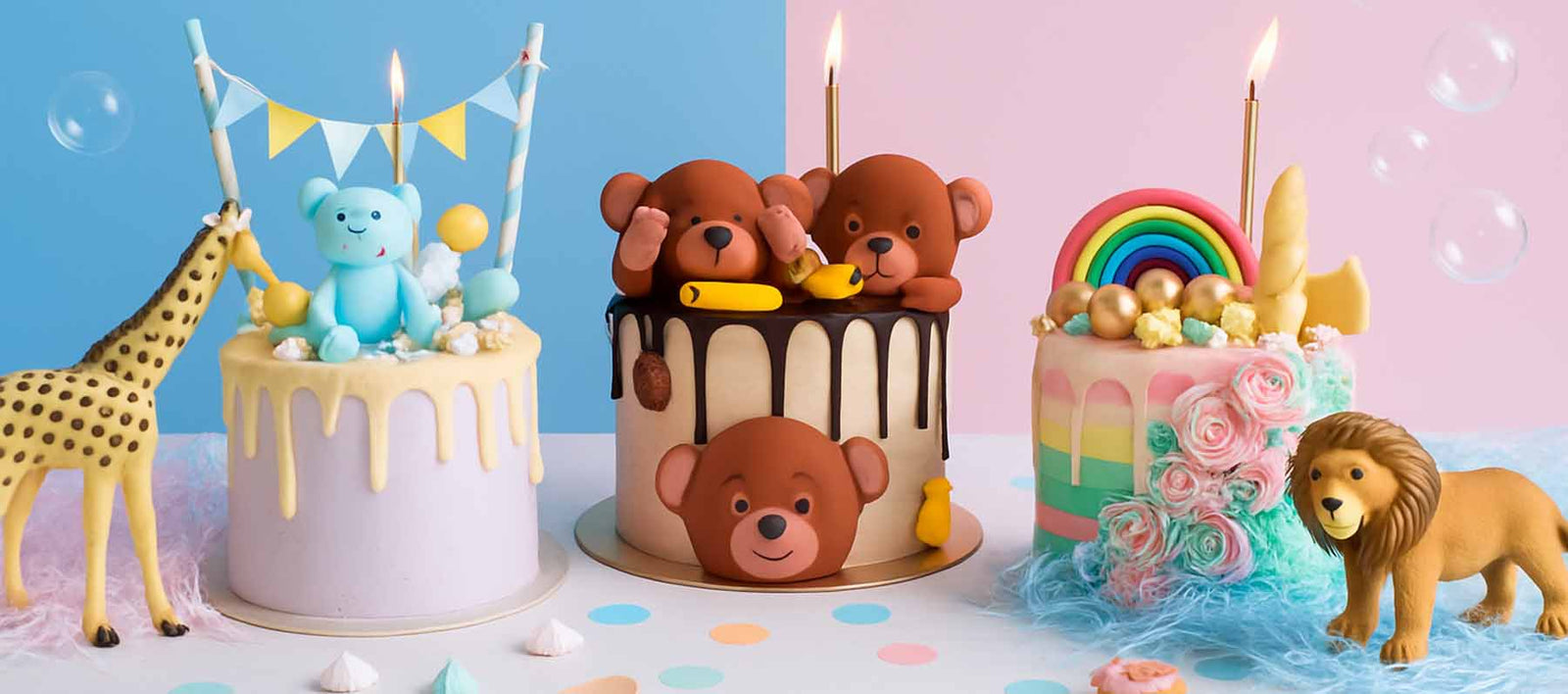
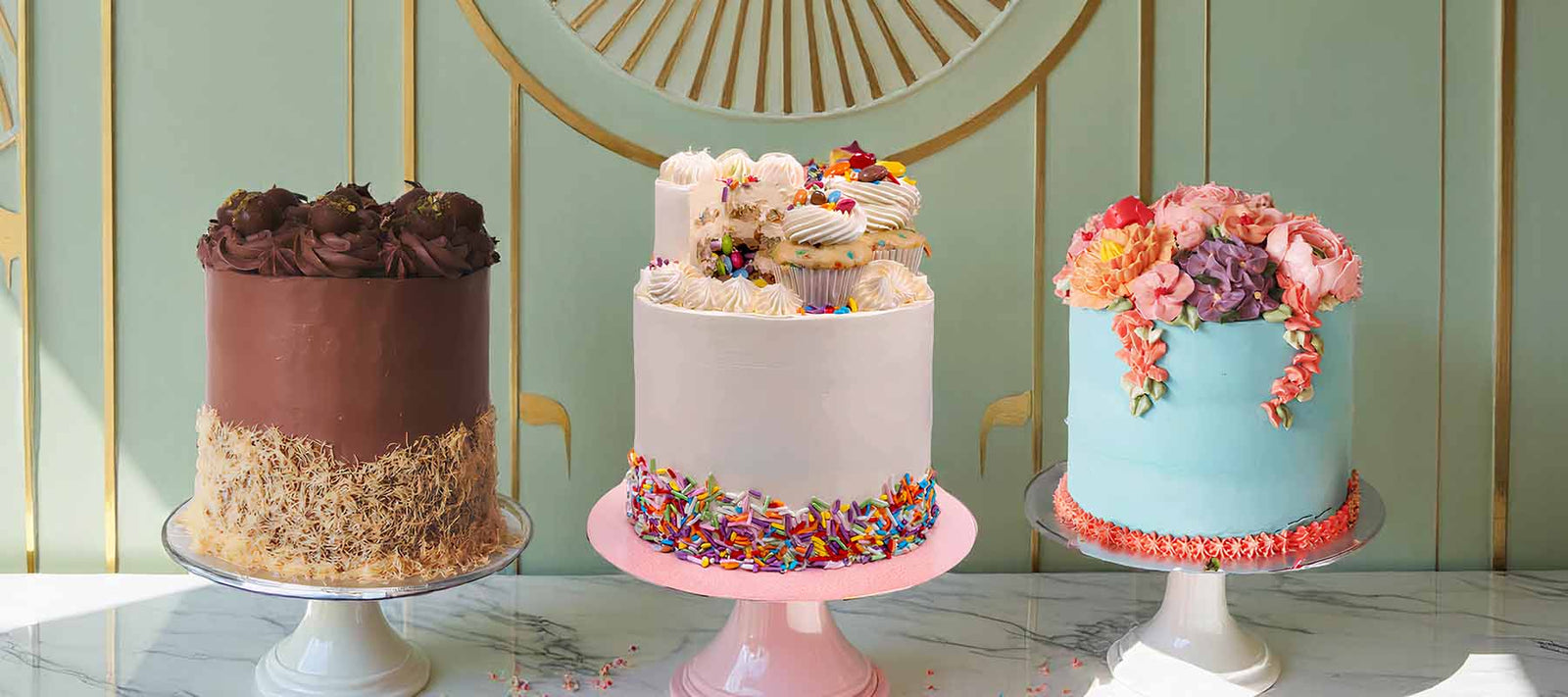
Bringing people together starts with something sweet — explore our made-to-order cakes for celebrations, crafted to spark joy in every office, home or community gathering.

Comments