
More Than “Mother’s Day”
Updated 15 September 2026: We have tightened the history in this archive article to claims supported by Church of England and English Heritage sources.
In the UK, Mothering Sunday falls on the fourth Sunday of Lent. The Church of England calendar identifies the fourth Sunday of Lent as Mothering Sunday, and its current liturgical material allows Mothering Sunday to be celebrated in preference to the ordinary provision for that Sunday.
The day has older church roots than the modern family celebration. The Church of England describes a 16th-century tradition in which people travelled once a year to their “mother” church, which might have been their home church, a cathedral or a major parish church. It also records a related tradition of some people working on farms and estates being given the fourth Sunday of Lent off to visit their mothers and possibly attend church.
The Story Behind the Simnel Cake
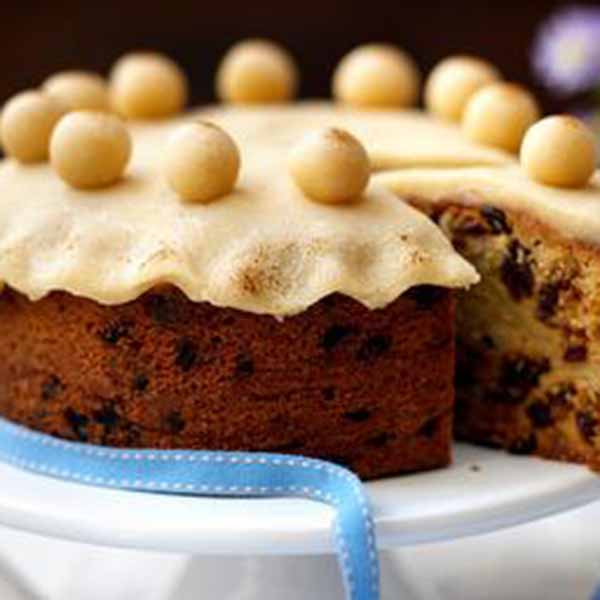
Simnel cake has long been associated with this point in Lent. English Heritage describes it as a light fruit cake enjoyed in England since medieval times and originally made for the middle Sunday of Lent, when restrictions of the fast were relaxed. The Church of England likewise connects the cake with Mothering Sunday and the relaxation of Lenten fasting.
The familiar version is a fruit cake with marzipan. The Church of England describes the tradition of eleven marzipan pieces on top representing the disciples who followed Jesus, with Judas excluded.

A traditional British Simnel cake with a marzipan finish.
Mothering Sunday in Modern Britain
The older church tradition and today's family-centred celebration now sit alongside one another. The fourth Sunday of Lent remains the British date for Mothering Sunday, while many families use it as an occasion to visit, share a meal, give flowers or cards, and celebrate mothers and other people who have played a nurturing role in their lives.
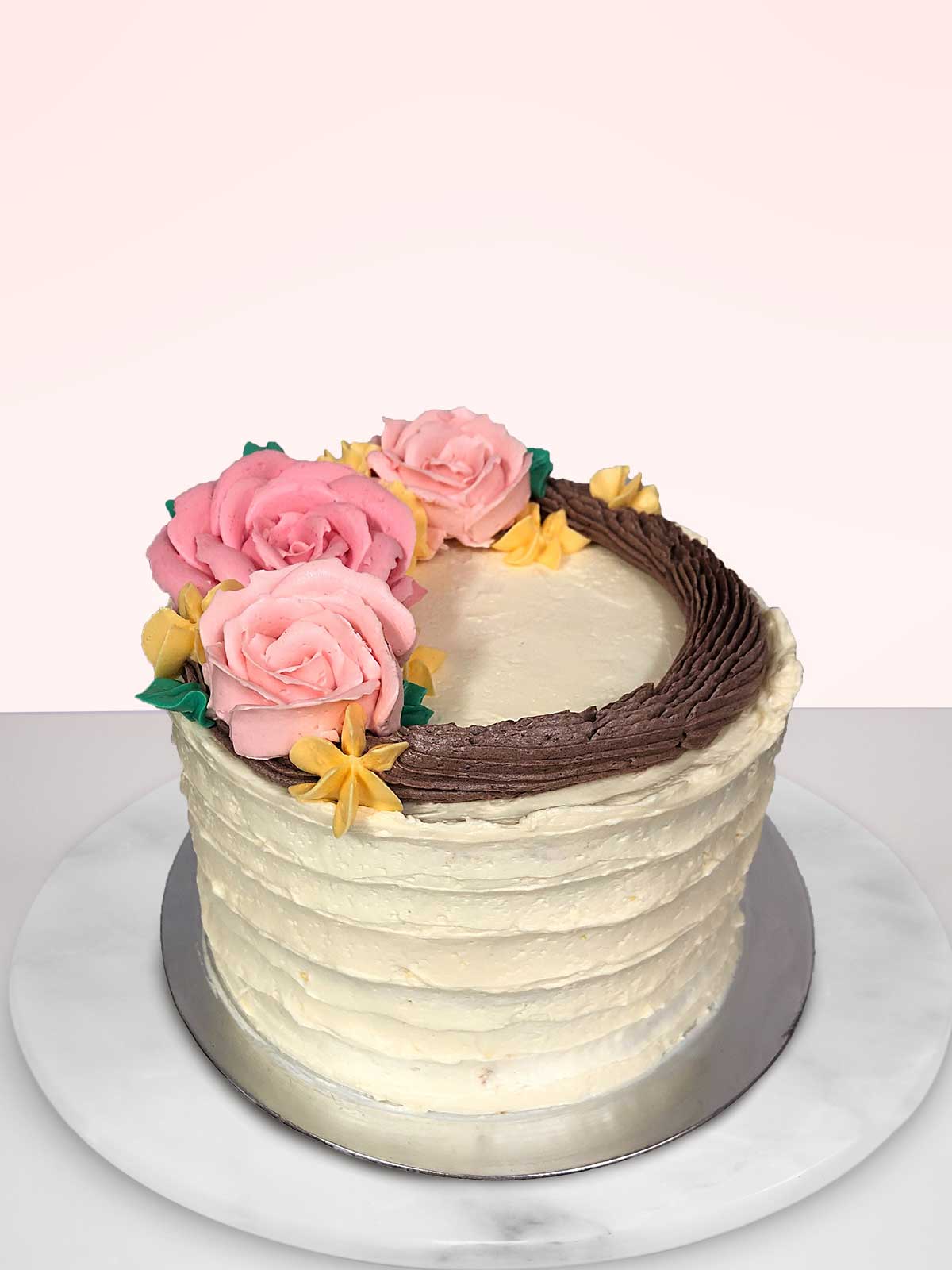
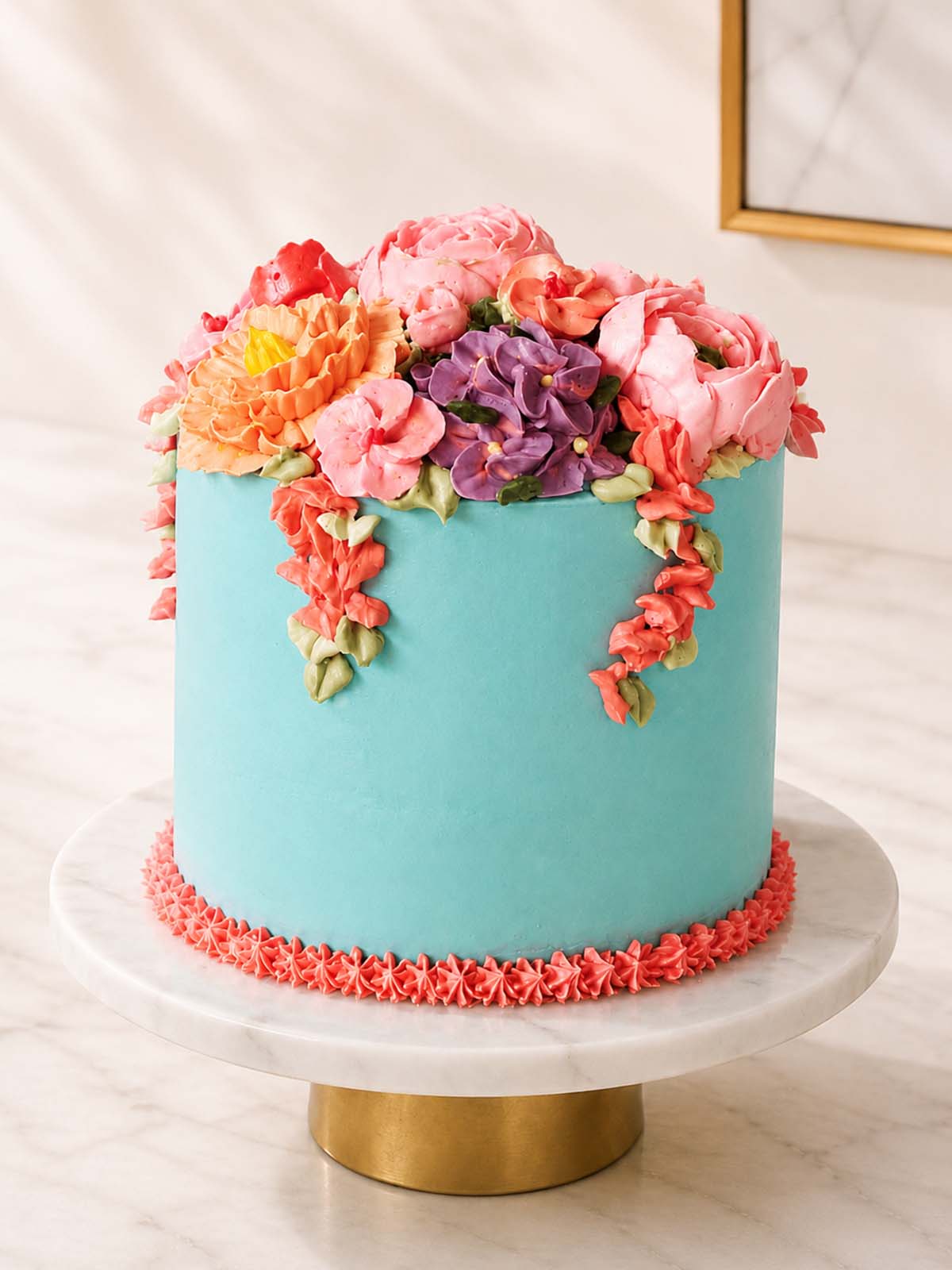
At Anges de Sucre, that usually means cake. Simnel may be the historical classic, but modern Mothering Sunday cakes can be floral, colourful, chocolatey, fruit-led or simply based on the recipient's favourite flavour.
If you are planning this year's celebration, our current Mother’s Day cake collection shows the designs actually available to order rather than treating this historical article as a product list.
A Tradition Worth Keeping
What makes Mothering Sunday interesting is the way several strands meet: the fourth Sunday of Lent, the older “mother church” custom, family visits and the food traditions that grew around a brief relaxation of Lenten austerity. Simnel cake is one delicious part of that story.
Sources & Further Reading
Church of England — Mothering Sunday: what are its origins in the Church?









Wrong! You’re right about the religious festival (Mothering Sunday) re visiting the Mother Church pre-Reformation, but prior to that, ‘going a-mothering’ was an earlier tradition on the same day when Simnel cake & wild flower posies were given to mothers. Origins could be pagan…. respect for mothers and rites of Spring and birth. Simnel cake originally had a marzipan plait round the top (not balls), and flowers, though designs varied. The cake was plagerised by either the Church (cos it had pagan origins?) or the Americans into an Easter cake with the balls representing the Apostles. Mothers’ Day is an American celebration on the 2nd Sunday in May.
see ‘British Folk Customs’ by Christina Hole or other publications on the subject.
I get so annoyed by the American interpretations of our English customs!!!