
Baking history is full of stories that are repeated so often they start to sound like settled fact. Some are well documented; others are legends that became part of British food culture. Here are three moments worth knowing, with the dates put back where they belong.
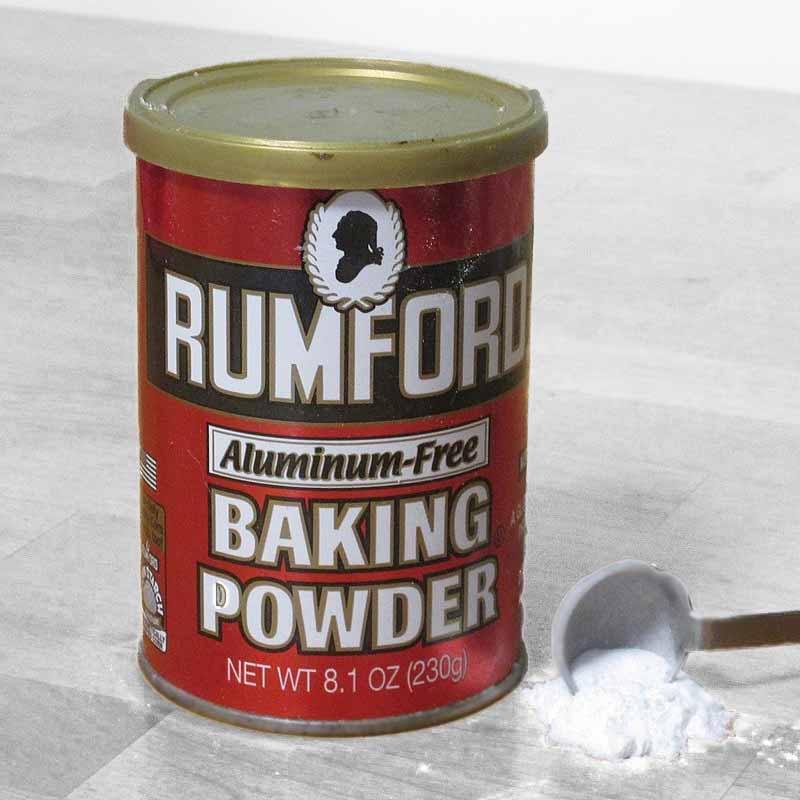
878: Alfred the Great and the burnt cakes — a famous legend
The story says that Alfred, while hiding from Viking forces in the Somerset marshes, was asked by a woman to watch cakes cooking by the fire and let them burn because he was distracted by the crisis facing his kingdom. It is one of the best-known stories attached to Alfred the Great.
It should be treated as legend rather than a documented turning point in the war. Alfred really was forced into the marshes around Athelney in 878, and he later regrouped successfully against the Vikings, but the colourful details of the cakes belong to the storytelling tradition that grew around him.
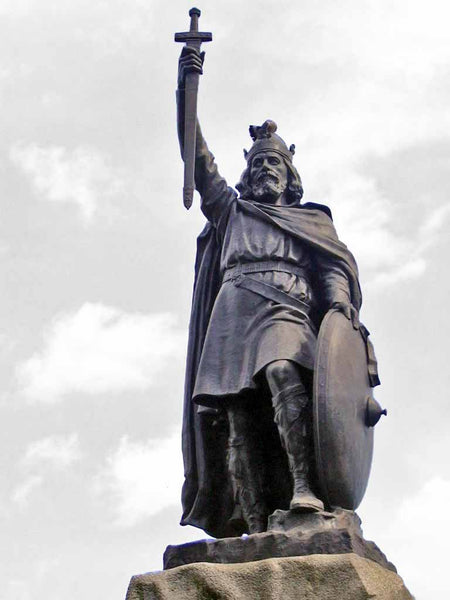
1843: Alfred Bird develops an early modern baking powder
Alfred Bird, a Birmingham chemist, developed a yeast-free raising powder in 1843. The familiar story behind the invention is that Bird was trying to create food his wife could eat because she could not tolerate yeast and eggs.
The significance for bakers was enormous. Chemical leavening made it possible to produce lighter cakes and quick breads without relying on yeast fermentation, and it helped shape the style of domestic baking that followed in the Victorian period.
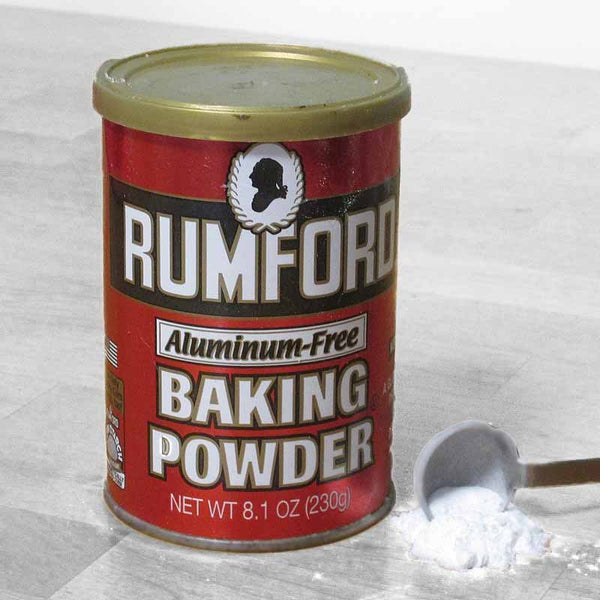
1845: Henry Jones patents self-raising flour
Two years later, Bristol baker Henry Jones patented self-raising flour: flour supplied with the raising ingredients already incorporated. The National Archives records Jones as the inventor of self-raising flour and dates the relevant patent correspondence from 1845.
That sounds ordinary now because self-raising flour is a cupboard staple, but the idea was a genuine convenience innovation. It reduced measuring and made chemically leavened baking more repeatable for domestic and commercial bakers.
2010: The Great British Bake Off arrives
The Great British Bake Off first aired in 2010 and became a major part of modern British baking culture. It did not invent the country's interest in home baking, but it gave techniques, ingredients and ambitious projects a weekly prime-time audience and helped make baking conversation mainstream again.
The programme also made specialist challenges feel surprisingly accessible: viewers who had never contemplated choux, laminated pastry or a croquembouche suddenly had opinions about all three.
The history that matters at home
Food history is not only inventions and television programmes. It is also the family cake that gets made every year, a child licking the bowl, the first birthday cake, the wedding cake cut in front of everyone you love, and the recipe that gets written down because somebody finally asked for it.
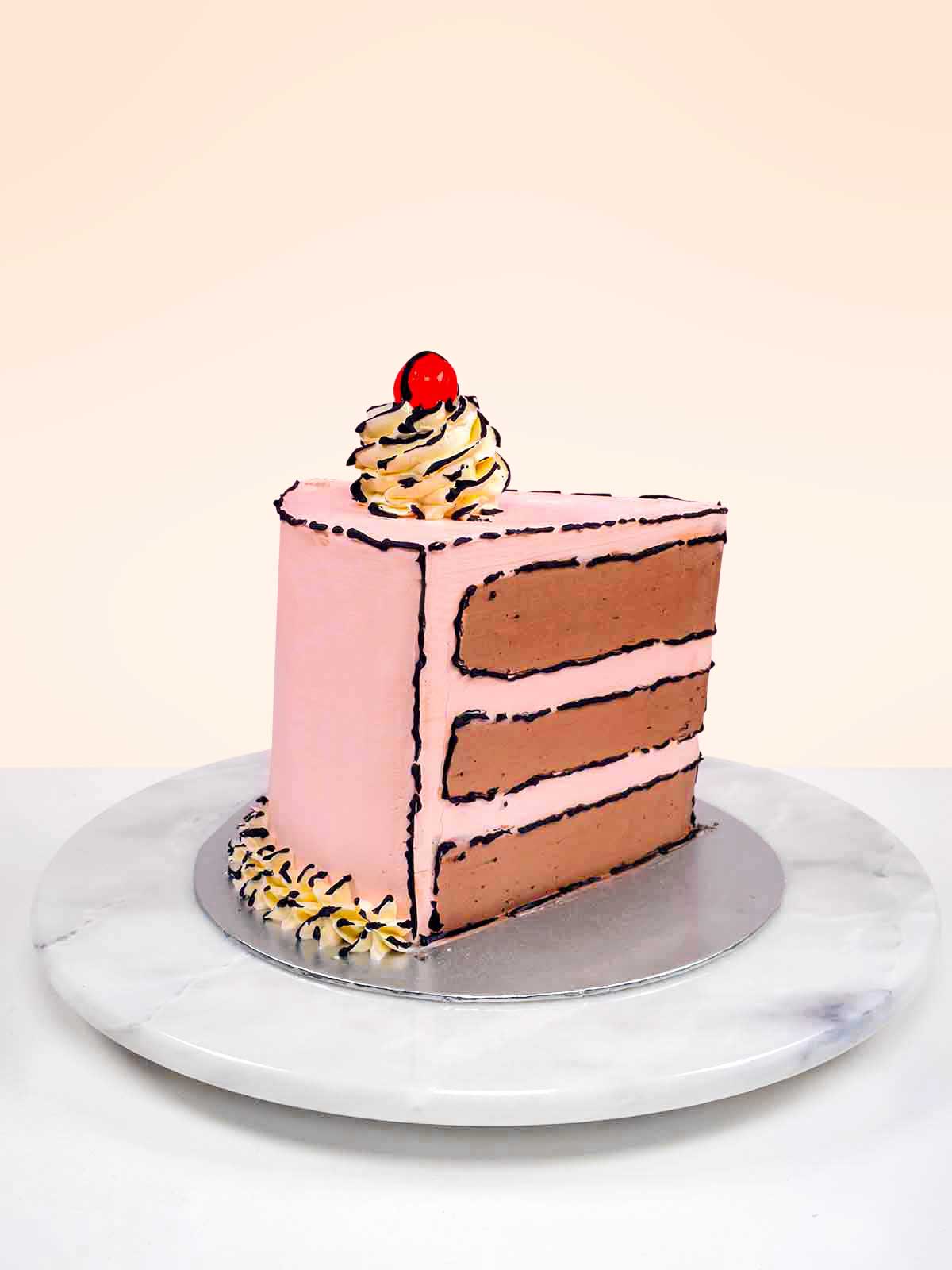
For the practical side of that history, browse our Recipes & Baking Guides. If you are looking for the finished celebration rather than the history lesson, see our cake collection.




Comments