

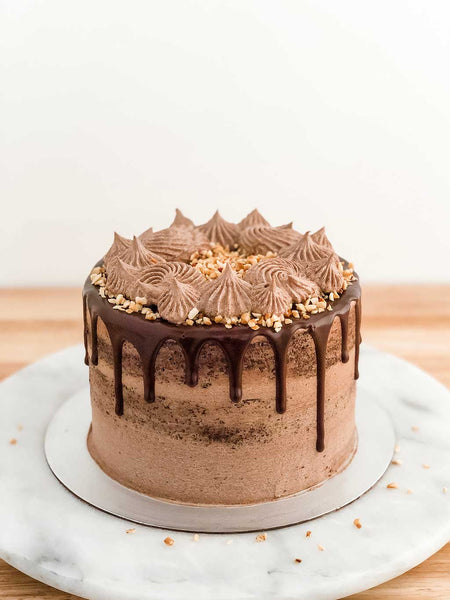
A note before you substitute: Ingredients in baking do more than add flavour. Flour builds structure, sugar controls moisture and browning, eggs bind and aerate, while fats affect tenderness. A simple one-for-one swap can therefore produce a completely different cake.
This guide is about baking performance, not medical or nutritional advice. No ingredient automatically makes a cake suitable for diabetes, allergies, coeliac disease or a prescribed diet. Check every label and use a tested recipe designed for the dietary requirement concerned.
Older versions of this article described certain ingredients as stabilising blood sugar, preventing plaque, easing hay fever, lowering cholesterol, killing bacteria or boosting energy. Those claims were too broad and have been removed. Food choices are personal, nutrition depends on the whole diet, and a cake remains a cake.
1. Changing The Flour
Plain flour contains gluten-forming proteins that help a sponge rise and hold together. Wholemeal and spelt flours absorb liquid differently and can make a cake firmer or heavier. Oat flour has no gluten-forming strength of its own, while coconut flour is unusually absorbent and cannot usually replace plain flour measure for measure.
Ground almonds add moisture and richness but also introduce a major allergen. Flour sold as gluten-free does not make a kitchen, utensil or finished cake free from cross-contact. For predictable results, choose a recipe developed around the exact flour rather than replacing all the flour in an existing formula.
2. Changing The Sugar
Sugar sweetens, but it also retains moisture, helps aeration, delays starch setting and contributes to colour. Reducing it sharply can leave a cake dry, dense or pale.
Honey, maple syrup and other liquid sweeteners add water and their own flavours, so the other liquids and baking time may need adjustment. Stevia, erythritol and xylitol behave differently from caster sugar and can affect volume, texture, browning and aftertaste.
Xylitol is dangerous to dogs. Keep the ingredient, batter, baked cake and waste securely away from pets. Our chocolate cake with xylitol and erythritol explains the limitations and safety points in greater detail.
3. Changing The Fat
Butter brings flavour and can trap air when creamed with sugar. Oil remains liquid when cool and often gives a softer crumb. Nut butters, yoghurt, purées and coconut oil each contain different proportions of fat, water, protein and solids, so they are not direct substitutes for butter.
A tested oil-based cake can be excellent, but changing the fat in an existing recipe may alter its rise, shelf life and texture. Nut butters also introduce peanut or tree-nut allergens.
4. Changing The Eggs
Eggs provide structure, emulsification, moisture and aeration. Mashed banana, apple purée, flaxseed gel and chia gel can work in recipes designed around them, but they do not reproduce every function of an egg and will change flavour and texture.
Use a properly tested egg-free formula when serving somebody who avoids eggs. A casual substitution is particularly unreliable in light sponges, meringues, choux pastry and custards.
5. Changing Milk, Cream Or Butter
Plant drinks vary substantially in fat, protein, sugar and acidity. Some work well in simple batters, but replacing dairy can change browning and tenderness. Dairy-free spread, coconut cream and plant-based cream also behave differently when whipped, chilled or mixed with chocolate.
Vegan does not mean allergen-free or nutritionally superior. Soya, nuts and other common substitutes can themselves be allergens, and cross-contact still matters.
6. Adding Fruit And Vegetables
Carrot, courgette, beetroot, pumpkin, banana and apple can add flavour and moisture. Their water content varies, so adding them freely can make a sponge gummy or cause it to collapse.
Fresh fruit placed between cake layers also shortens the safe holding time and can release liquid into fillings. Keep cakes containing fresh fruit, cream cheese, whipped cream or custard refrigerated and follow the storage guidance for the complete recipe.
7. Adding Protein Powders, Seeds Or Nuts
Protein powders absorb moisture and can toughen a cake when added without rebalancing the recipe. Seeds, ground nuts and pulses can work well in recipes created for them, but they change structure and may add allergens.
Terms such as “high protein” or “source of fibre” have specific meaning when used as nutrition claims. Do not rely on appearance or a single ingredient to calculate the finished cake's nutritional profile.
A Better Way To Experiment
- Start with a tested recipe written for the ingredient or dietary requirement.
- Change one element at a time and record the exact brand, weight, temperature and result.
- Use scales rather than cups for repeatable baking.
- Check allergen labels every time, because formulations can change.
- Never promise that a home kitchen is allergen-free where cross-contact cannot be controlled.
- Store the finished bake according to its most perishable component.
Anges de Sucre's physical cakes are not marketed as sugar-free, ketogenic, gluten-free, dairy-free, egg-free or allergen-free. For bakery-made celebration cakes, browse our current cake collection and allergen information before ordering.


Comments