





British Cake History · Afternoon Tea · Sponge Science
The Cake That Refused To Go Out Of Fashion
With all the wild cake creations out there, from matcha lava cakes to galaxy-glazed monstrosities and whatever new abomination TikTok is pushing this week, you might assume the humble Victoria Sponge would be gathering dust in the Cake Museum.
Absolutely not.
The Victoria Sponge remains one of Britain’s best-loved cakes, appearing on tea tables, birthday spreads, village fête judging tables and bakery counters with the serene confidence of a cake that knows it does not need a reinvention.
The Victoria Sponge is a British sandwich cake made from two light sponge layers, traditionally filled with jam and cream. Its name is linked to Queen Victoria, who is famously associated with enjoying sponge cake as part of afternoon tea.
It is simple, but not ordinary. Butter, sugar, eggs, flour, jam and cream. That is the point. There is nowhere for bad technique to hide. A great Victoria Sponge should be soft, tender, balanced, gently sweet and light enough to make you believe you could eat another slice without consequence.
Which is, of course, how it gets you.

What Is A Victoria Sponge?
A Victoria Sponge, sometimes called a Victoria Sandwich, is a cake made from two sponge layers sandwiched together with a filling. The classic version is usually filled with jam and cream, then finished with a light dusting of sugar.
The name “sandwich” refers to the structure: two rounds of sponge joined together in the middle. It is not, thankfully, an invitation to eat it for lunch with crisps.
Its beauty lies in restraint. There are no smoke machines, no edible glitter landslide, no suspiciously architectural fondant. Just sponge, filling and the terrifying pressure of getting a very simple cake exactly right.
Where Did The Victoria Sponge Come From?
The story of the Victoria Sponge begins before Queen Victoria, which is rather inconvenient given the name.
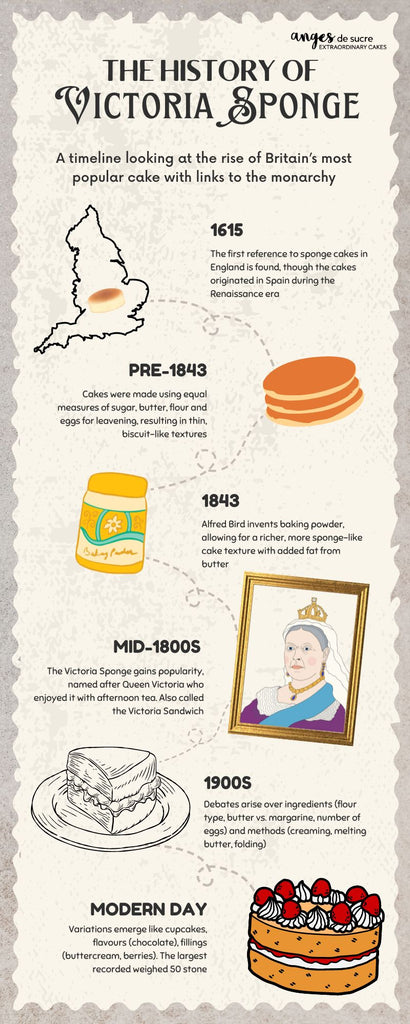
Early sponge cakes appeared in Europe long before the Victorian tea table. Sponge-style cakes are often traced back through Renaissance Italy and Spain, with later references appearing in English cookery. These early versions were not quite the soft, airy sponges we recognise today. They were thinner, drier and closer in texture to a biscuit than a modern layer cake.
The idea of a cake raised by beaten eggs existed, but it was not yet the plush, tender, tea-time beauty we now expect.
Early sponge cakes came first. The recognisably soft Victorian sponge came later, helped along by improved baking techniques, the rise of afternoon tea and the arrival of chemical raising agents.
The cake became closely associated with Queen Victoria, who is famously linked with afternoon tea and a fondness for sponge cake. Whether or not she personally sat around demolishing great slabs of jam-filled sponge in quite the way we like to imagine, the association stuck.
And when you are Queen, people do tend to name things after you. Cakes included.
Why Baking Powder Changed Everything
The Victoria Sponge as we know it owes a great deal to baking powder.
Before chemical raising agents, sponge relied much more heavily on the air beaten into eggs. This required skill, patience and a tolerance for disappointment. The invention of baking powder in the nineteenth century helped cakes rise more reliably, making soft, airy sponges far easier to produce.
That mattered. A reliable rise meant the sponge could contain more fat, usually butter, without collapsing into a sad, dense little disc of regret. The result was richer, softer and much closer to the cake we recognise today.
Baking powder helped turn sponge cake from a thinner, egg-raised bake into a softer, lighter and more dependable cake. Without it, the Victoria Sponge would be far less fluffy and far more prone to sulking.
This is why the Victoria Sponge became such a useful test of baking skill. It looks simple, but the texture reveals everything: oven temperature, ingredient balance, mixing technique, tin size and whether you have been fiddling with the oven door like an impatient gremlin.
Ingredients, Methods And Cake Arguments
For a cake that appears so simple, the Victoria Sponge causes a spectacular number of arguments.
Butter or margarine? Plain flour with baking powder or self-raising flour? Raspberry jam or strawberry? Whipped cream or buttercream? Dust the top or decorate it? Creaming method or all-in-one?
It is Britain in cake form: polite on the surface, quietly furious underneath.
The Ingredients
The traditional formula is wonderfully straightforward: equal weights of butter, sugar, eggs and flour, with baking powder to help the rise. In modern recipes, self-raising flour often takes care of the raising agent, while some bakers add extra baking powder for insurance.
Some bakers prefer butter for flavour. Some use margarine for softness and consistency. Some, including us in many of our sponge recipes, use oil-based methods where moisture and longevity matter most.
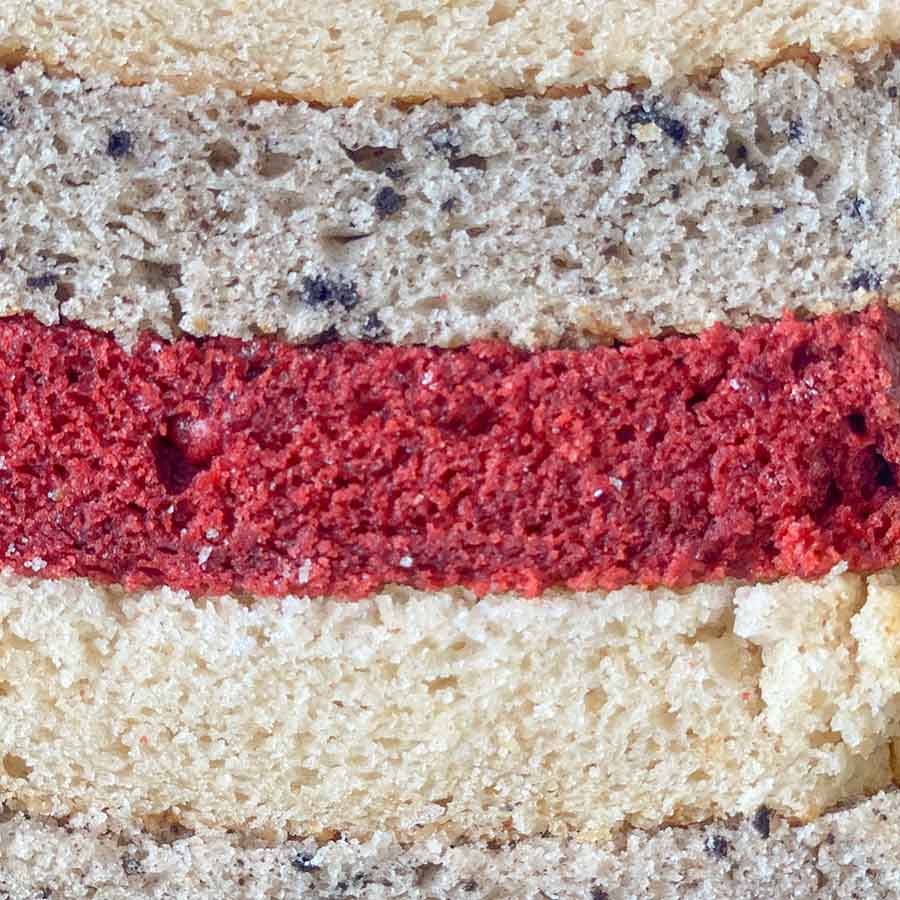
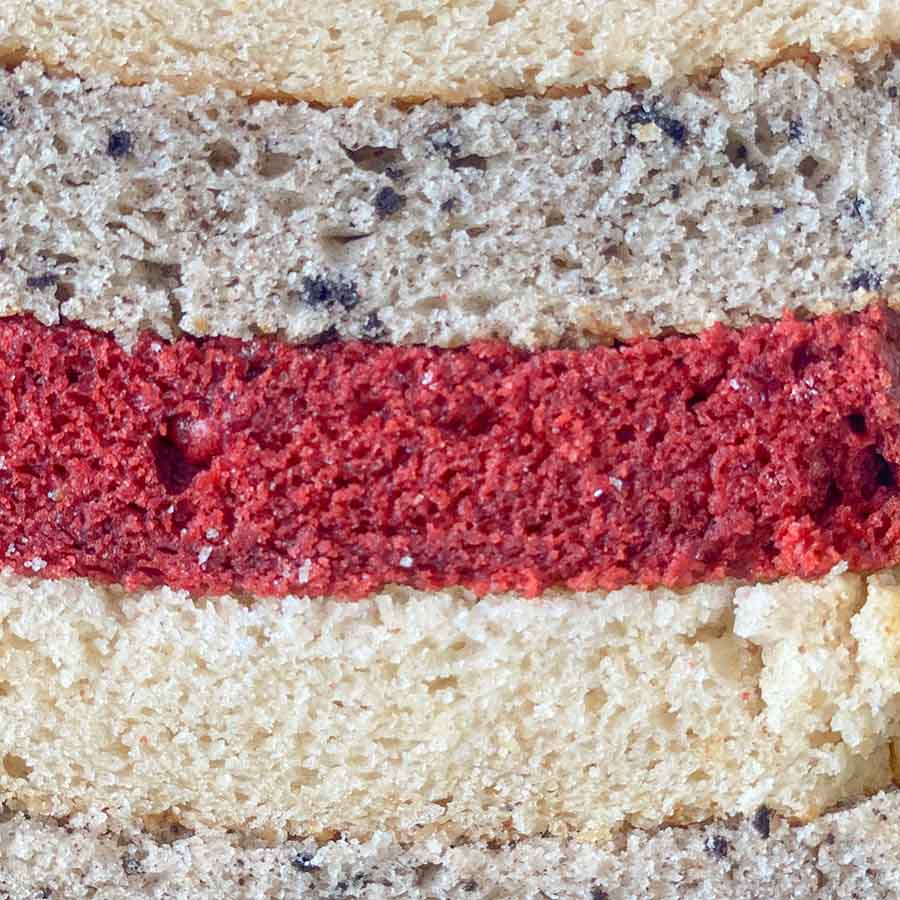
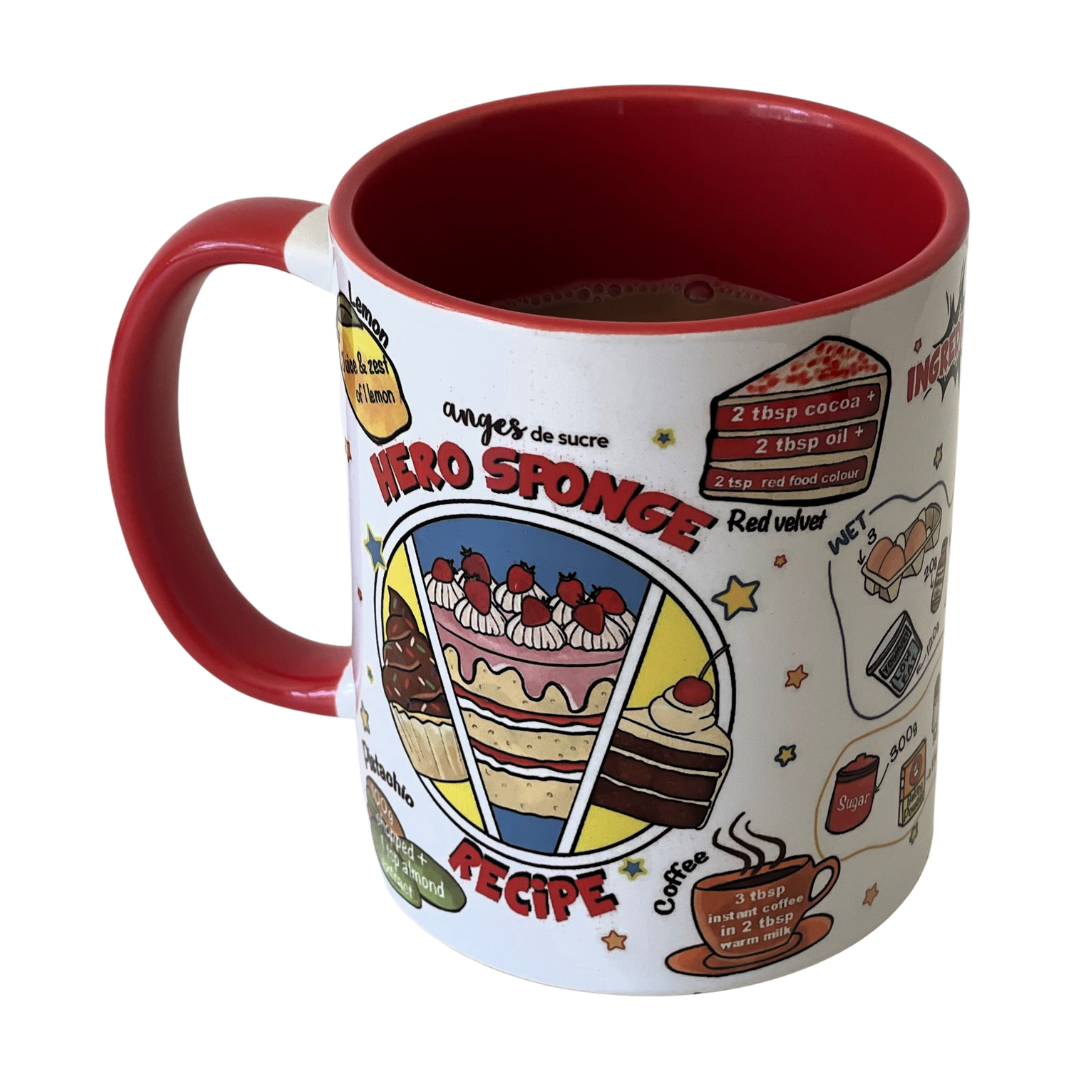
Our Hero Sponge recipe, for example, was developed for a lighter, fluffier, longer-lasting sponge. Purists may gasp into their tea. We can live with that.
The Method
The traditional method is to cream butter and sugar together until pale and fluffy, then add eggs gradually before folding in the flour. Done well, this gives a light sponge with a beautiful crumb.
The modern all-in-one method takes a more relaxed approach, combining ingredients together and relying on a mixer and raising agent to do the heavy lifting. It is faster, easier and, depending on the recipe, surprisingly reliable.
The method matters, but the oven matters too. Victoria Sponge is notoriously sensitive to baking temperature. Too hot and it domes, cracks or dries. Too cool and it can sink or bake unevenly. This is why it has long been used as a proper test of an oven’s consistency.
Jam, Cream, Buttercream And The Great Filling Debate
The classic filling is jam and cream. Raspberry jam is often considered traditional, though strawberry has its loyal defenders. Fresh cream gives the cake a soft, delicate, tea-room charm, but it also makes storage more awkward.
Buttercream is the modern troublemaker. It is sweeter, more stable and easier to transport, which is why bakeries often favour it for celebration cakes. It may not be the strictest traditional choice, but it makes a lot of practical sense.
Raspberry jam and cream is the classic Victoria Sponge filling. Strawberry jam, buttercream and fresh berries are modern variations, and frankly, if the sponge is excellent, most people will be too busy eating to complain.
The top is another matter. Traditionally, the cake is simply dusted with sugar. No fuss. No drama. Very British.
Modern versions, including our rather jazzed-up Victoria Sponge Cake, often add berries, piped cream, buttercream or extra decoration. This is not historically pure, but it is delicious, which is a powerful argument.
Why The Victoria Sponge Still Matters
The Victoria Sponge has survived because it understands the assignment.
It is familiar without being boring. Sweet without being sickly. Soft without being flimsy. It works for afternoon tea, birthdays, family gatherings, village fêtes, office cake tables and emergency slices eaten standing in the kitchen.
Its cultural reach goes beyond Britain too. Sponge cakes have inspired countless global desserts, from Italian pan di Spagna to Latin American tres leches cake. Different countries have taken the basic idea of a light sponge and turned it into something entirely their own.
And then there are the gloriously silly moments in sponge history, such as the enormous Victoria Sponge reportedly baked in Oxford that weighed around 50 stone and needed a team of grown men to move it. A cake so large it becomes less afternoon tea and more structural engineering.
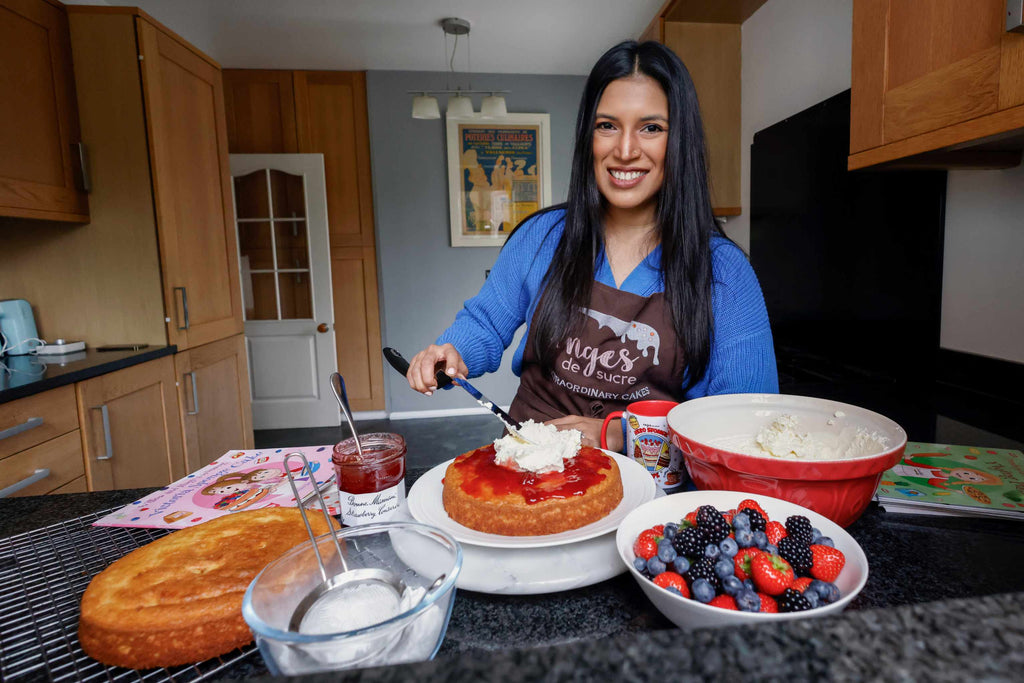
Image: Trevor Adams Photography
The Victoria Sponge also has a place in children’s baking. A classic sponge is one of the first cakes many children learn to make, and its simplicity makes it a brilliant way to understand eggs, flour, fat, sugar and rise.
It even inspired Willow and Hugo’s Winning Victoria Sponge Cake, part of the StoryBakes baking book series, which is a lovely way to bring children into the kitchen without immediately handing them a blowtorch or edible glitter.
The Cake That Still Wins
So there we have it: the grand history of the Victoria Sponge, from early European sponge cakes to Queen Victoria, baking powder, afternoon tea, jam debates and modern bakery versions that are not afraid of a little extra decoration.
It is a cake that looks modest, but carries centuries of baking history in its crumb.
And that, really, is why it still works. The Victoria Sponge does not need to shout. It simply sits there, soft and golden, waiting for the kettle to boil.
Order our Victoria Sponge Cake, browse birthday cakes, or explore the full cake collection for delivery across London and Surrey.
Got a strong opinion on how a Victoria Sponge should be made? Butter or margarine? Raspberry or strawberry jam? Cream or buttercream? Let’s settle the debate properly, preferably over cake.




VICTORIA HEIM
May 29, 2022
IS THERE A POEM ABOUT THE ROYAL VICTORIA SPONGE CAKE?
RESEARCHING, AS I AM A POET.
ALL THE BEST, VICTORIA