

Using food well is not the same thing as rescuing food that is unsafe. The first rule of leftover baking is simple: do not use ingredients that are mouldy, spoiled or past a use-by date. A best-before date is about quality; a use-by date is about safety.
Once that line is clear, slightly tired fruit, spare baked sponge and other safe leftovers can be genuinely useful.
Fruit that is past its prettiest, not past its safe life
Apples
Wrinkled but sound apples can be cooked into compote, pie filling or cake. They can also be sliced thinly and dried slowly in the oven for crisp garnishes. Cut away ordinary bruising, but discard fruit showing mould or extensive decay.
Berries
Soft berries that are still sound can be cooked into a compote for yoghurt, porridge or cake filling. Do not try to make mouldy berries safe by boiling them; discard spoiled fruit instead.
Grapes
Soft seedless grapes can be frozen for snacks or roasted until wrinkled and jammy. Cool roasted fruit promptly if you are not using it straight away and refrigerate it in a covered container.
Citrus
A wrinkled lemon or orange may still have useful zest and juice if it is otherwise sound. Zest before juicing, freeze spare juice in measured portions, or turn it into a syrup for cakes and drinks.
Bananas
Very ripe bananas are excellent in batter, pancakes and cooked compotes. If they are leaking, mouldy or smell fermented in a way the recipe does not call for, the compost bin is the better destination.
Vegetables in sweet baking
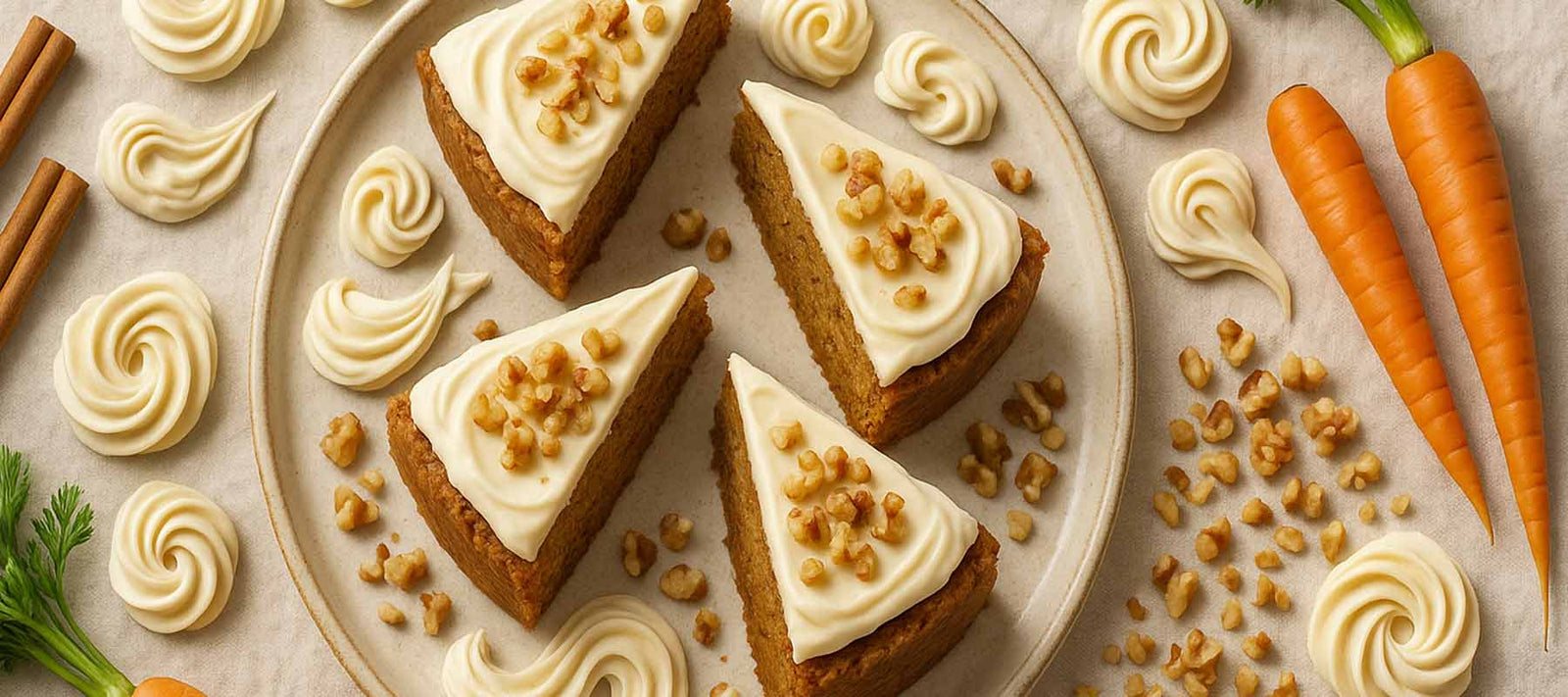
Carrots, pumpkin, sweet potato and squash can all bring moisture and flavour to cake when the recipe is designed for them. If you want a tested starting point, use our carrot cake recipe rather than simply folding an arbitrary quantity of leftover vegetables into another sponge.
What to do with spare cake batter
Raw cake batter contains ingredients such as flour and often eggs, so do not treat it as a snack. If you have safe freshly mixed batter left after filling the intended tins, the simplest option is to portion it into cupcake or muffin cases and bake it straight away. The exact bake time will be shorter than a full cake, so start checking early.
Do not keep activated cake batter sitting around for long periods; both food safety and raising performance deteriorate. If you want future cake, freeze baked sponge rather than a forgotten bowl of raw batter.
Leftover baked cake
Plain sponge that has dried slightly can become cake pops, trifle, bread-and-butter-pudding-style desserts, crumbs for ice cream, or cake rusk. Our stale cake ideas cover several options.
Storage still follows the most perishable ingredient. A plain dry sponge is different from a cake containing cream cheese, custard, whipped cream or fresh fruit. Keep perishable cakes refrigerated and use them promptly.
Leftovers need time and temperature control
The Food Standards Agency advises chilling cooked leftovers promptly and generally eating them within 48 hours or freezing them. If you reheat cooked leftovers, heat them thoroughly and avoid repeated reheating cycles.
The useful mindset is not “never throw food away”. It is “waste less while keeping the safety line clear”.
For more ideas that start from a tested formula, browse our Recipes & Baking Guides or the Hero Sponge recipe.

Comments