





Cake Storage · Bakery Advice
How To Keep Cake Fresh For Longer
Few things in life are sadder than a dry, stale cake. You spend hours baking, icing and admiring your masterpiece, only to find it has turned into a cardboard brick overnight. Tragic.
But fear not, cake lovers. A little storage know-how can keep your cake soft, moist and worthy of that second, third or entirely unplanned midnight slice.
To keep cake fresh, store it covered in a cool room, away from sunlight and heat. Wrap cut edges to stop the sponge drying out, refrigerate only when the filling or frosting needs it, and freeze well-wrapped sponge or buttercream cakes for longer storage.
How Long Does Cake Last?
Like a great party, a cake usually peaks at around three days. After that, it may start to lose its charm, dry out a little and overstay its welcome. But with the right storage, you can keep the good times rolling for longer.
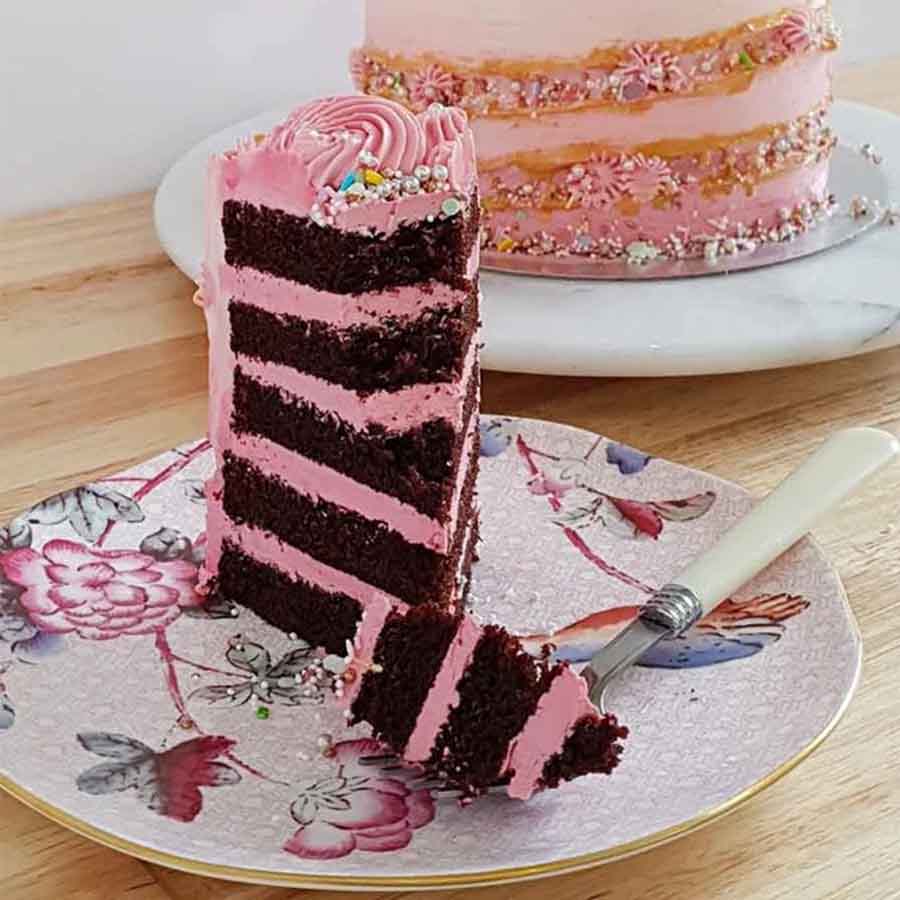
A standard buttercream cake will usually taste best within 3 to 5 days, depending on the sponge, filling, temperature and how well it is covered. Some oil-based sponges can stay moist for longer because oil remains liquid at room temperature, while butter firms as it cools.
- Best Texture Most cakes are at their loveliest within the first few days.
- Best Storage Covered, boxed, cool and away from direct sunlight.
- Best Longer-Term Fix Freeze properly rather than letting cake slowly dry out.
Long-Lasting Sponge Recipe
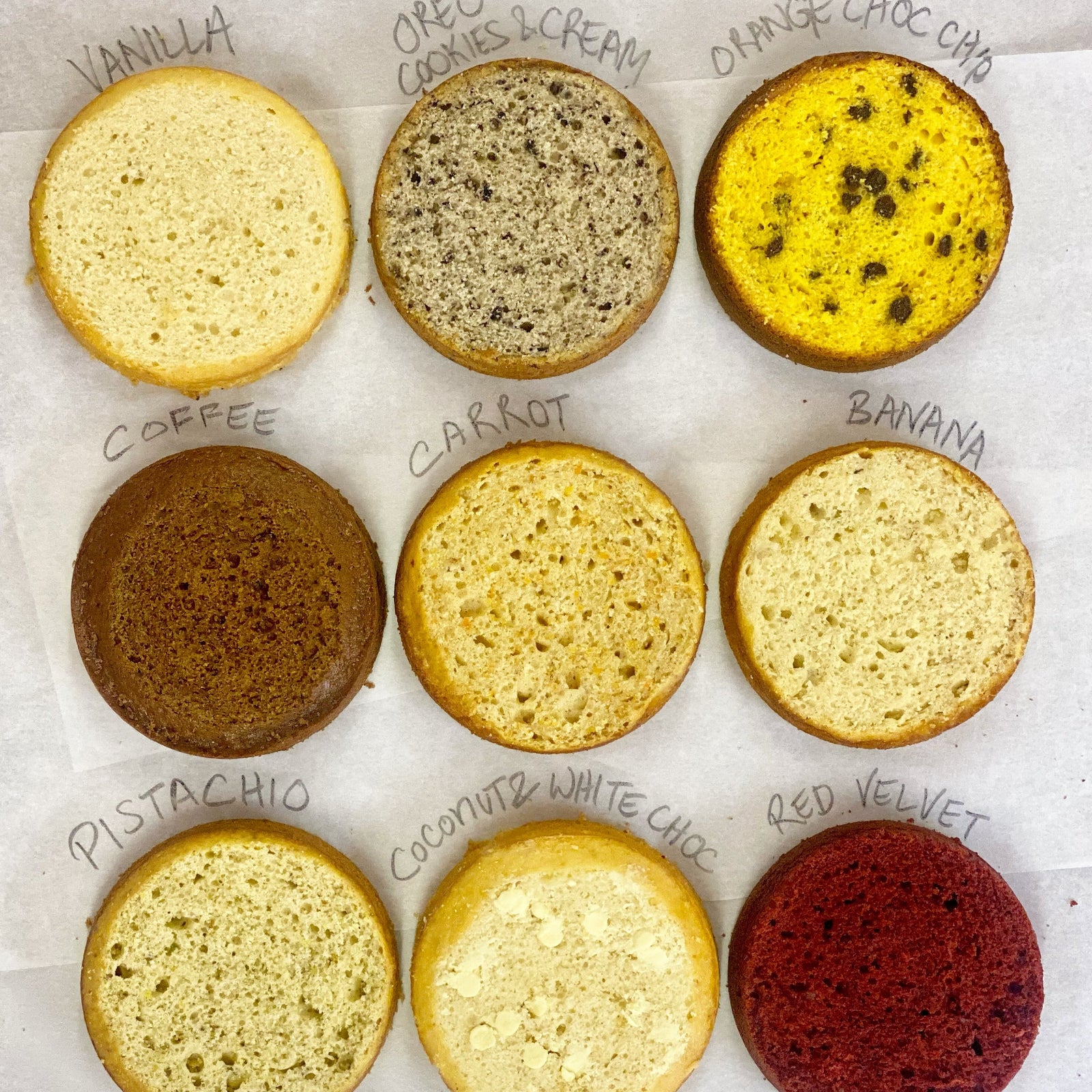
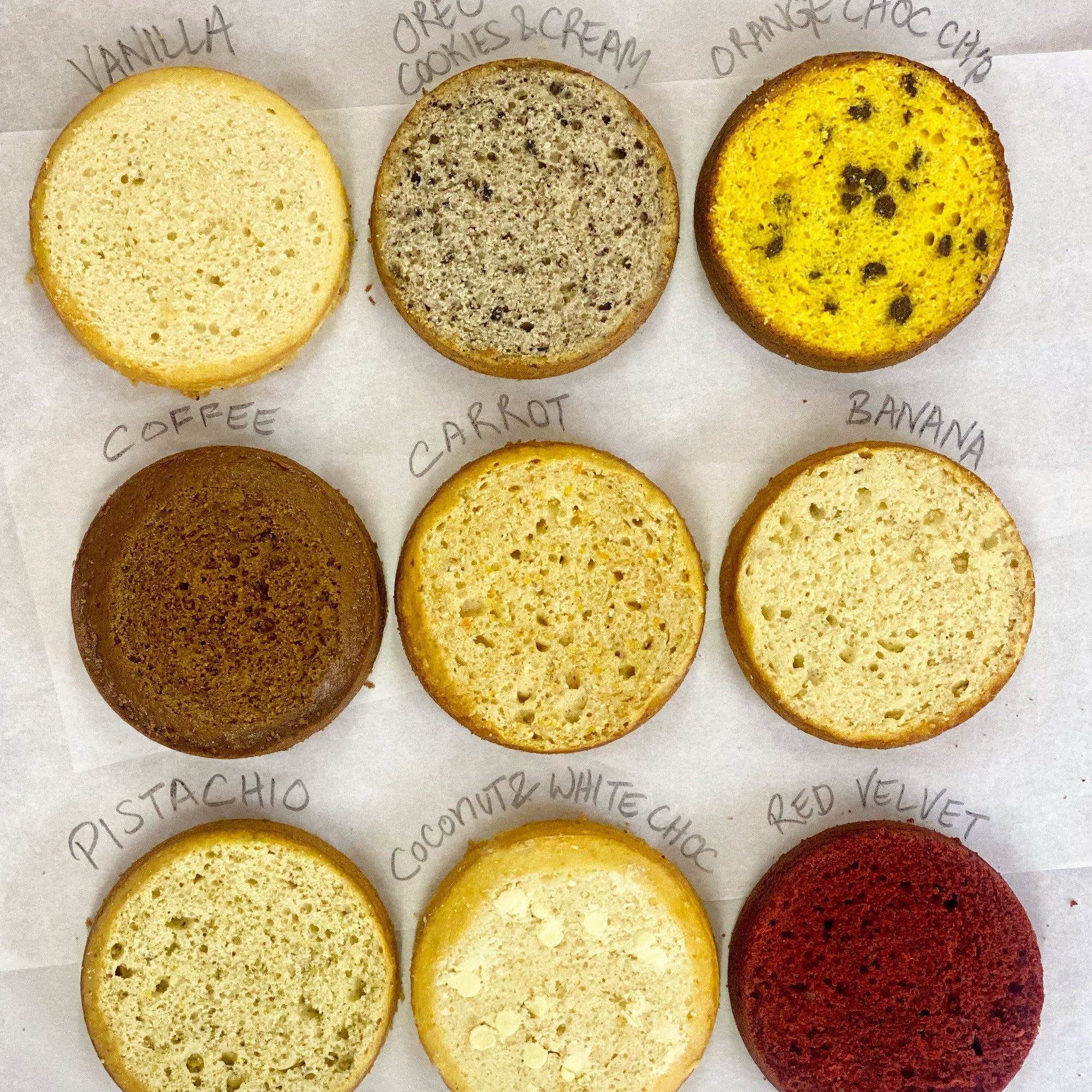
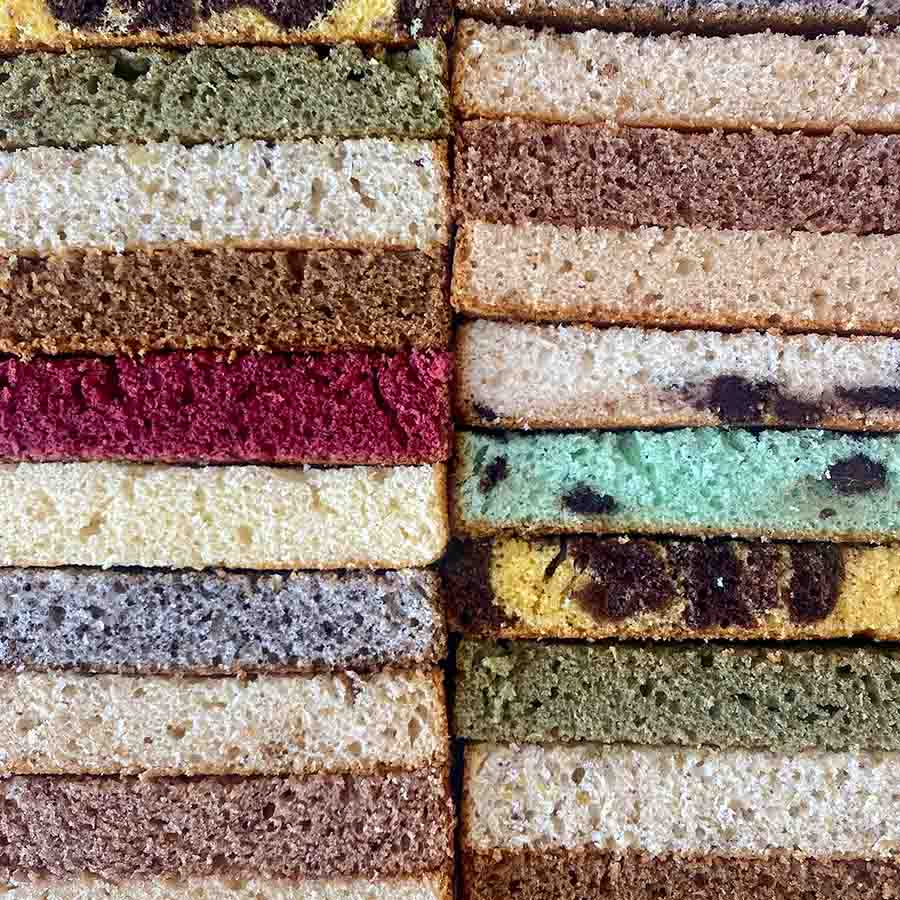
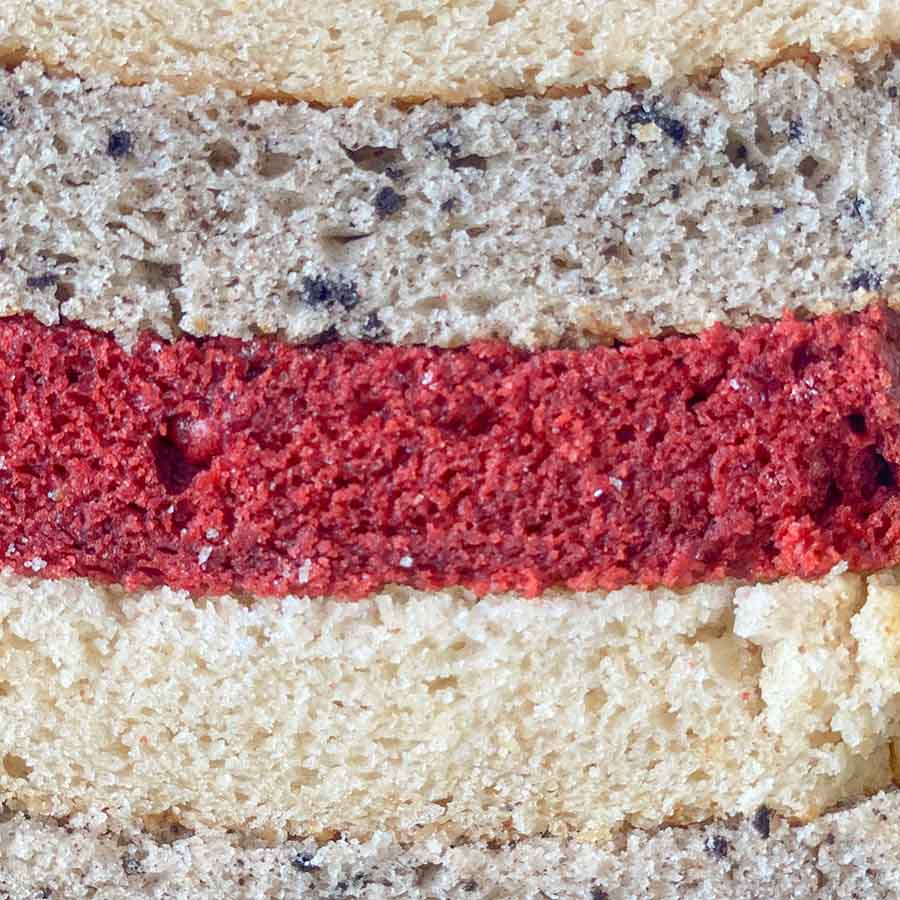
An oil-based cake sponge will often remain moist for longer than a butter-based sponge. This is because oil is liquid at room temperature and helps keep the crumb soft. Butter brings beautiful flavour, but it firms as it cools, which can make a sponge feel drier faster.
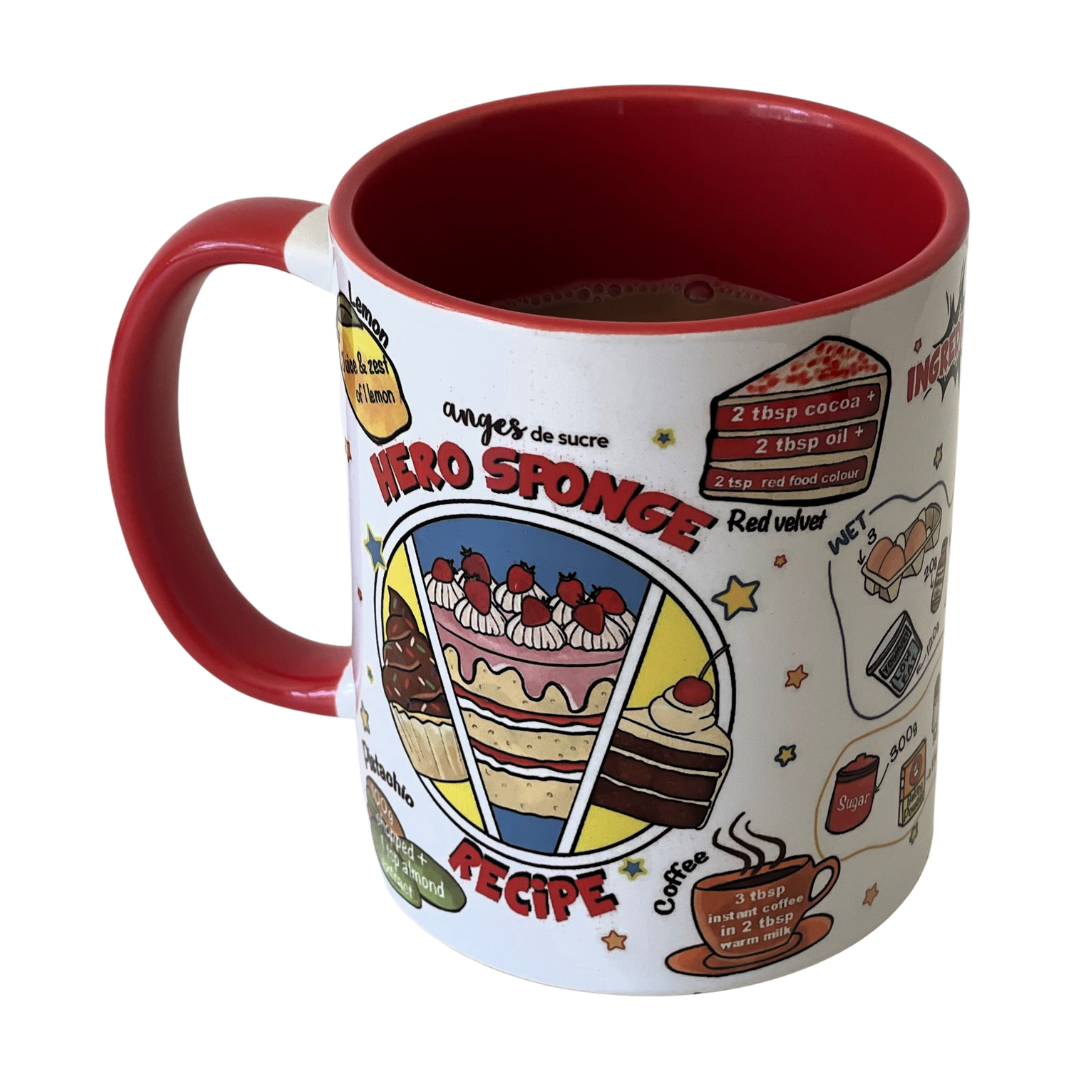
Our signature Hero Sponge recipe was developed for exactly this reason. It stays soft, reliable and moist for days, which is extremely useful if you are baking ahead, decorating in stages or trying not to serve a cake with the mouthfeel of a packing box.

If you need a cake to stay moist for longer, start with the sponge. A well-balanced oil-based sponge usually gives you more storage forgiveness than a traditional butter sponge.
How To Store A Cake
Cakes, like houseplants and high-maintenance pets, need the right environment to thrive. Some love the fridge, some hate it. Some need to be wrapped up like a newborn baby. Others will survive on the counter, but only if they are properly protected from the elements, and from hungry housemates.
For most buttercream cakes, the best place is a cool room, away from direct sunlight, radiators, ovens and warm windows. Keep the cake in its box, under a cake dome, or covered with an upturned bowl if you are living your best practical kitchen life.

Covering Cakes
Place your cake on a cake stand or plate with a cover, or leave it in its cake box. The aim is to protect it from dust, air and drying. Air is the enemy of soft sponge.
Individual sponges should be wrapped tightly in cling film once completely cooled. If you have cut into a cake, wrap the exposed cut edges with cling film or press a piece of parchment against the sponge. This helps stop the crumb from drying out.
- Whole Cake Keep it in a cake box, dome or covered container.
- Cut Cake Protect the exposed sponge with cling film or parchment.
- Plain Sponge Wrap tightly once fully cooled, then store or freeze.
Storing Cakes In The Fridge
The fridge is useful when a cake genuinely needs cold storage, but it is not automatically the best place for every cake. In fact, a fridge can dry sponge, harden buttercream and make cake absorb the smell of whatever else is lurking in there. Hello, stinky cheese.
If your cake is at risk of melting during peak summer, or if it contains fresh cream, cream cheese frosting, custard, mousse or a perishable filling, the fridge may be necessary. The trick is to protect it properly.
- Use The Fridge For fresh cream, cream cheese, custard, mousse and perishable fillings.
- Avoid The Fridge For most classic buttercream cakes unless heat makes it necessary.
- Always Cover Cake absorbs fridge smells far too easily.
Fondant Cakes
Fondant is a diva. It hates the cold, loathes condensation and can turn into a sweaty, sticky mess if it is chilled carelessly. If you must refrigerate a fondant cake, wrap it tightly and remove the wrapping only when the cake has had time to return to room temperature.
This helps prevent beads of water forming directly on the icing. Condensation is the great enemy of fondant cakes.
Buttercream And Ganache Cakes
Buttercream and ganache cakes can be chilled briefly if you need the frosting to firm up before wrapping or transporting. To avoid smudges, place the cake in the fridge for around 30 minutes in a covered container, allow the frosting to set, then wrap carefully if longer storage is needed.
When serving, bring the cake back to room temperature. Cold buttercream does not taste silky, luxurious or generous. It tastes like regret wearing frosting.
Cream Cheese And Whipped Cream Frosting
Cakes with cream cheese frosting, whipped cream or fresh dairy fillings should be refrigerated if they are not being eaten soon. These frostings are more perishable and less stable in warm weather.
Serve them cool rather than ice-cold if possible, but do not leave them sitting out for hours in a warm room and hope for the best. That way sadness lies.
How To Freeze A Cake
Freezing is often better than refrigerating if you need to keep cake for longer. The fridge slowly dries and stales cake. The freezer pauses things more effectively, provided the cake is wrapped properly.

Buttercream Cakes
Buttercream decorated cakes can be frozen to extend their life. Chill the cake first so the frosting firms up, then wrap the whole cake tightly in cling film and place it in an airtight container before freezing.
For best results, thaw slowly and keep the cake covered while it comes back to temperature. This helps protect the frosting and reduces condensation.
Fondant Cakes
Fondant-covered cakes can be frozen, but they need careful handling. Wrap the cake tightly in several layers of cling film before freezing. Thaw it in the fridge first, then bring it to room temperature before removing the cling film.
This is slow, but it helps prevent condensation forming directly on the fondant. Thawing can take many hours, so this is not one for last-minute panic.
Cream Cheese And Whipped Cream Frosting
Cakes with whipped cream or cream cheese frosting are not always ideal for freezing, because the texture of the frosting can change once thawed. If you are making something like a Victoria sponge, freeze the plain sponge layers and decorate with fresh cream or fruit after thawing.
Ganache Cakes
Ganache-covered cakes generally follow similar rules to buttercream cakes. A cream or butter-based ganache can usually be chilled or frozen with care. However, water-based ganache is more temperamental, as water expands when frozen and can affect the appearance and texture.
- Wrap Well Air causes freezer burn and dryness.
- Thaw Slowly Slow thawing protects texture and decoration.
- Freeze Sponge First For cream-filled cakes, freeze the sponge and decorate fresh.

Help, My Cake Is Stale
Your cake is dry. Your heart is breaking. But wait, there may still be hope. Before you throw it in the bin, or at an enemy, try a rescue mission.
Sugar syrup is the miracle worker of the cake world. A light brush or drizzle can revive a dry sponge like a splash of water on a wilting plant. Just let it soak in gently. This is cake care, not a crime scene, and nobody wants sponge drowning in syrup.
You can also warm a slice in the microwave for around 10 seconds at a time. The gentle warmth can soften the crumb and bring some moisture back to the surface.
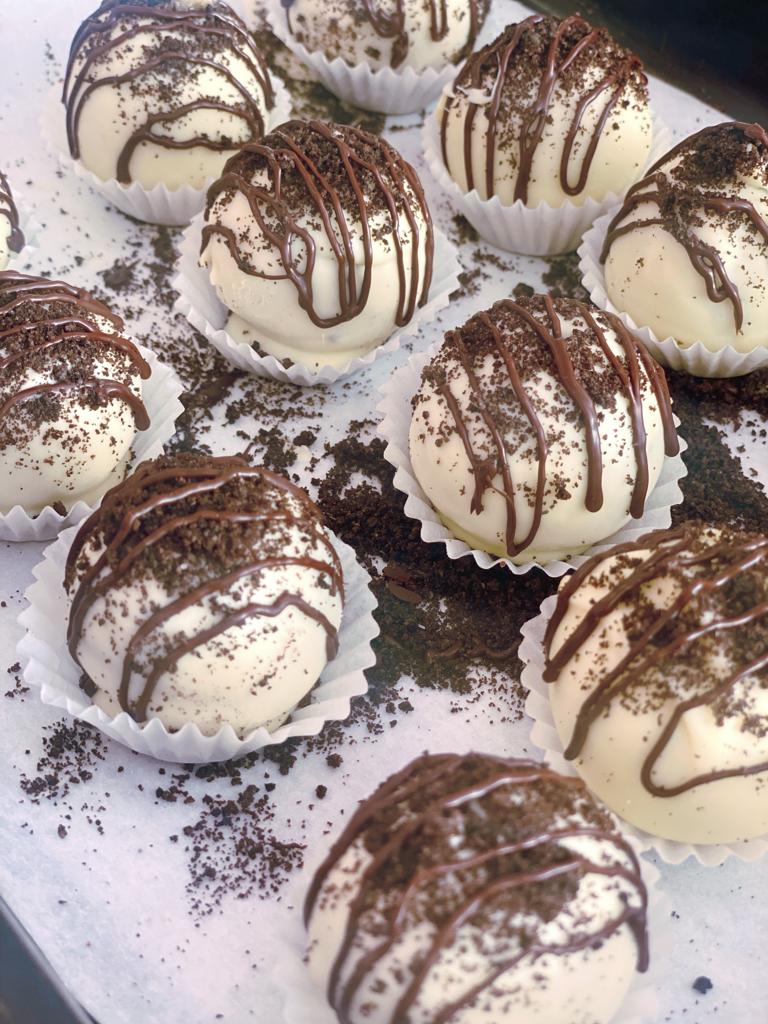
Alternatively, you can repurpose stale cake. Cake truffles, cake pops, trifles and dessert pots all exist because clever bakers refuse to let good cake go quietly.
Brush dry sponge with sugar syrup, warm individual slices briefly, or turn stale cake into truffles, trifles or cake pops. A dry cake is not always the end. Sometimes it is just dessert in disguise.
The Fresh Cake Rule
If you want cake to stay fresh for longer, start with a good sponge, let it cool completely before wrapping, protect it from air, keep it away from heat and only use the fridge when the ingredients genuinely need it.
For most classic cakes, a covered box in a cool room is your best friend. For longer storage, the freezer is usually better than the fridge. And for stale cake, there is almost always a rescue plan involving syrup, chocolate or crumbs.
Now that you know how to keep your cake fresh, the only real question is how long you can actually resist eating it. We will not judge if the answer is not long at all.




Dona
March 01, 2026
I’m going a chocolate buttercream cake. Placing tiny dots into flower designs on chocolate. Can I take cake in & out of frigerator like 7-8 days? Cause of a little carpal tunnel I can’t do too fast.