





Cake Storage · Bakery Advice
The Fridge Is Not Always Your Cake’s Friend
I have ruffled a lot of feathers in that wild place called social media with my apparently controversial, but actually very common-sense, opinion that most celebration cake should not be kept in the fridge.
Most buttercream celebration cakes are best stored in their box in a cool room, away from direct sunlight, and served at room temperature. The fridge can dry out sponge, harden buttercream, dull flavour and make cake taste like last night’s leftovers.


Everyone loves a moist, fluffy, flavoursome cake, but how you store it can make or break its taste and texture. And as the self-appointed Cake Police, I am going to use cold, hard science to prove it.
As tempting as it may be to pop leftover cake into the refrigerator, assuming the chilly air will keep it fresher for longer, refrigeration often does the opposite. For many classic cakes, the fridge dries the sponge, hardens the buttercream and dulls the flavour. Room temperature is usually the sweet spot.
- Buttercream Cake Usually store in a cool room, not the fridge.
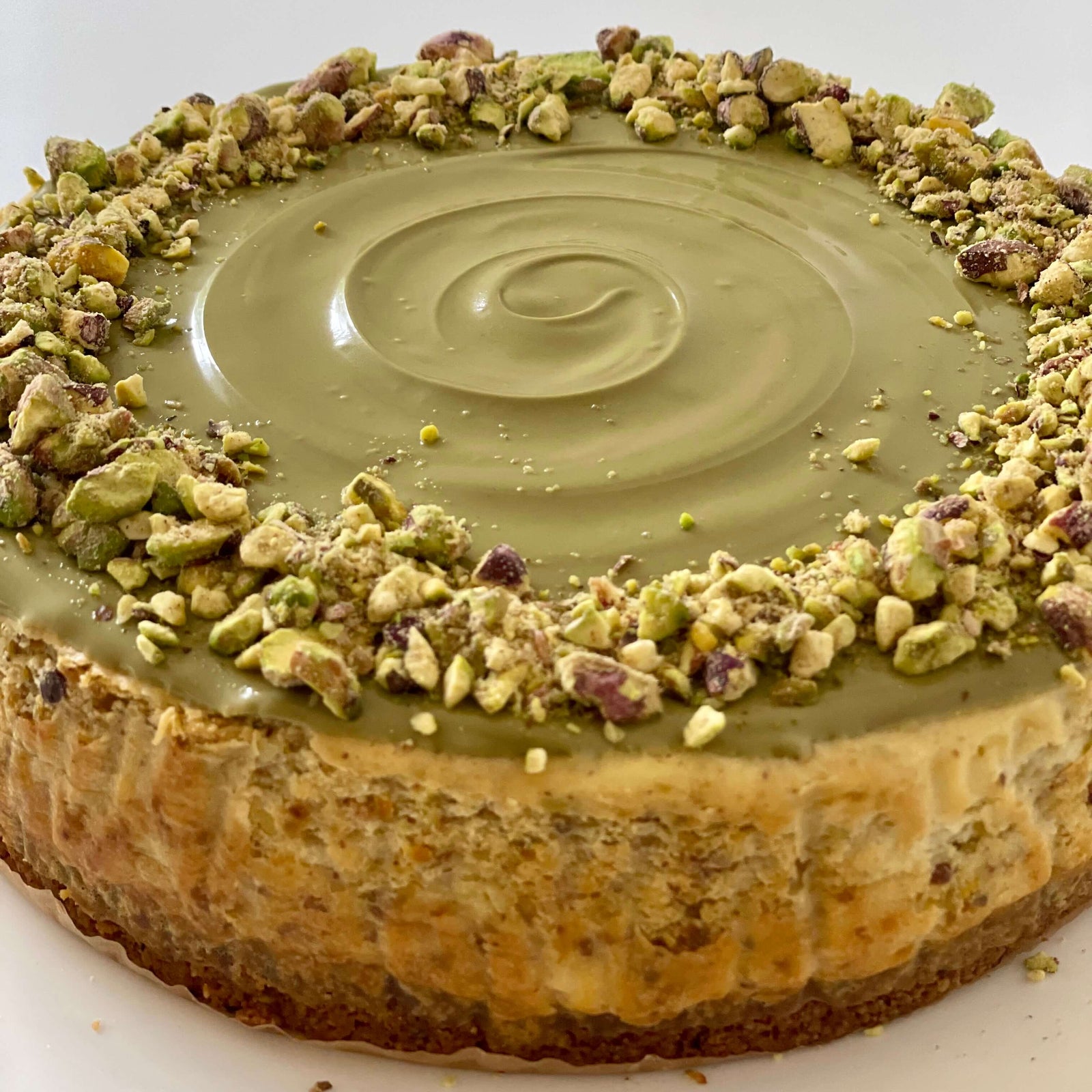
- Fresh Cream Or Cheesecake Refrigerate, because these are genuinely perishable.
- Serving Rule Let cake come to room temperature before eating, so the sponge softens and the flavour returns.
Why Cakes Are Usually Safe At Room Temperature
High-sugar, high-fat cakes are surprisingly stable when they are stored properly. This does not mean all cakes can sit out forever, and it certainly does not apply to cheesecakes, fresh cream cakes or mousse cakes. But a classic sponge cake with buttercream is very different from a bowl of custard.
Sugar and fat do a lot of useful work in cake. They help preserve texture, limit microbial growth and keep the sponge enjoyable for longer, provided the cake is kept in sensible conditions.
- Sugar Binds Water Microbes need available water to thrive. Sugar helps tie up moisture.
- Fat Seals Moisture Buttercream and ganache help protect the sponge from drying air.
- Cool And Dry Wins A covered cake in a cool room keeps its texture far better than a naked cake in the fridge.
In a buttercream cake, the frosting works almost like an edible coat. It helps limit air exposure, protects the sponge and keeps the crumb soft. The best place for this sort of cake is usually its box, in a cool room, away from direct sunlight and heat.

What About Food Safety?
As a bakery business, we take food safety seriously. There is no romantic little patisserie loophole where we can simply ignore the rules because the cake looks pretty. UK food businesses have to work within proper food safety systems, and that means understanding which cakes are ambient-stable and which cakes genuinely need chilling.
The practical distinction is simple: a standard high-sugar, high-fat celebration cake with no perishable filling is not the same risk as a fresh cream cake, cheesecake, mousse cake or custard-filled cake. Those are different products, with different storage requirements.
If the cake contains fresh cream, cheesecake, mousse, custard, fresh fruit filling or another perishable element, refrigerate it. If it is a classic buttercream celebration cake with no perishable filling, a cool room is usually better for taste and texture.
So if the science and sensible bakery practice agree that most classic celebration cakes should be kept out of the fridge, who are we to argue?

Why The Fridge Ruins Cake Texture
Refrigerating cake might feel like the safe option, but cold storage can do real damage to cakes that do not need it. The fridge is cold, dry and full of smells. Not exactly the dream spa retreat for sponge.
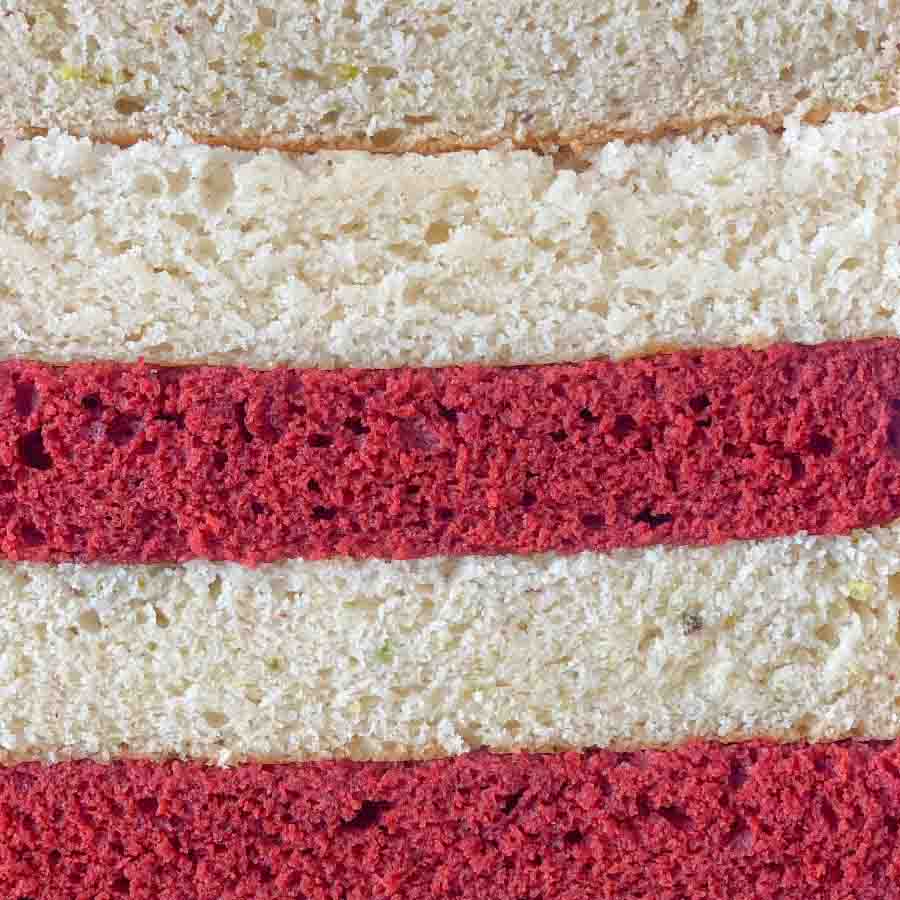
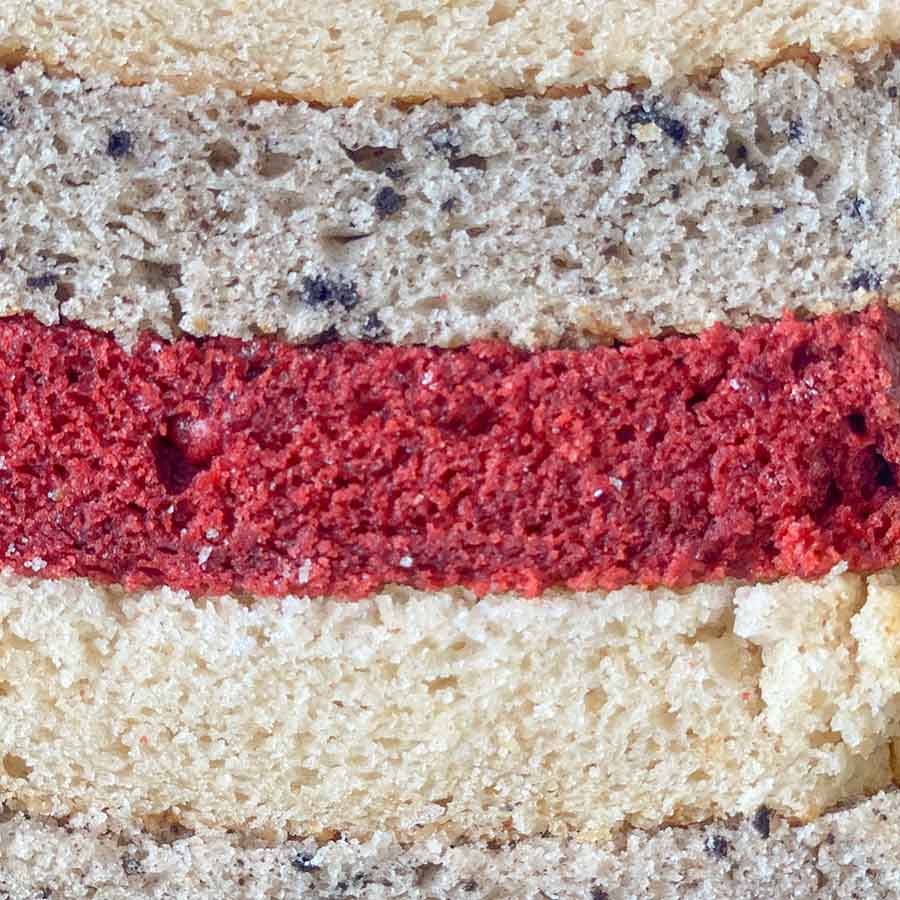
The first problem is moisture loss. Frost-free fridges are especially dry, and that dry air encourages moisture to leave the cake. A sponge that was soft and tender can become dry, firm and disappointing.
The second problem is staling. Cold temperatures speed up starch retrogradation, which is the process that makes baked goods feel firm and stale. This is the same reason bread goes miserable in the fridge. Cake is not immune just because it is wearing buttercream.
- Room Temperature Keeps the sponge softer and the crumb more tender.
- Fridge Temperature Speeds up firming and makes cake taste older than it is.
- Cold Buttercream Turns silky frosting into a waxy lump. No thank you.
Then there is the buttercream. At room temperature, buttercream is soft, silky and lovely. In the fridge, it hardens. A chilled buttercream cake can cut badly, eat badly and taste far less luxurious than it should.

Why Cold Cake Tastes Worse
Cold does not just change texture. It also dulls flavour. Your tongue and nose are less sensitive when food is cold, and many of the lovely aromatic compounds in cake are less noticeable at fridge temperature.
That means vanilla tastes flatter, chocolate tastes less rounded, buttercream tastes waxier and the whole thing feels less generous. A cake that should taste rich, soft and fragrant can end up tasting like a polite memory of cake.
There is also the small matter of fridge smell. Butter and fat are very good at absorbing odours. If your fridge contains curry, cheese, fish, pickles or last night’s heroic leftovers, your cake may quietly borrow those aromas. Nobody asked for Victoria sponge with a whisper of butter chicken.
Cake tastes best when the buttercream has softened, the sponge has relaxed and the flavours are able to bloom. Cold cake tastes flatter because the aromas are muted and the fats are firmer.

The Fridge Can Also Make Cake Sweat
Here is another nuisance: condensation. When a cold cake comes out of the fridge, moisture from the air can collect on the surface. Just like a cold drink can sweating on a warm day, but less refreshing and more upsetting.
This can make buttercream look wet, colours bleed, chocolate bloom and decorations soften or slide. Fondant and sugarpaste can suffer particularly badly because sugar loves moisture.
- Condensation Causes damp surfaces and sweating.
- Sugar Bloom Leaves dull, powdery marks on chocolate or sugar details.
- Odour Transfer Makes cake taste like whatever else is lurking in the fridge.
If you absolutely must refrigerate a cake, keep it boxed and protected, then let it come back to room temperature while still covered so condensation forms on the packaging rather than directly on the cake.

When Cake Should Be Refrigerated
Now for the important caveat. Some cakes absolutely do need the fridge. The point is not “never refrigerate cake”. The point is “do not refrigerate the wrong cake for the wrong reason”.
Cakes with high-moisture, perishable ingredients should be kept cold. That includes cheesecakes, fresh cream cakes, mousse cakes, custard-filled cakes, tiramisu-style desserts, fresh fruit-topped cakes and some cream cheese frostings.
Refrigerate cakes with cheesecake, mousse, custard, fresh cream, fresh fruit, pastry cream, mascarpone or other high-moisture perishable fillings. Food safety comes first, even if the sponge would rather be somewhere warmer.
These cakes are different because their ingredients are more like dairy desserts than classic buttercream celebration cakes. In those cases, refrigeration is not just sensible, it is necessary.
Which Cakes Are Best Kept Out Of The Fridge?
Most standard celebration cakes are best kept at cool room temperature. That includes buttercream birthday cakes, sponge cakes, chocolate fudge cakes, oil-based cakes, loaf cakes and many fondant-covered cakes, provided they do not contain perishable fillings.
Fondant cakes in particular often behave badly in the fridge. The sugarpaste can sweat, soften, mark or lose its clean finish. Professional cake decorators usually prefer a cool, dry room for decorated cakes unless the filling demands refrigeration.
- Buttercream Cakes Store boxed in a cool room.
- Sponge Cakes Cover well and keep away from heat or sunlight.
- Fondant Cakes Avoid fridge condensation unless the filling requires chilling.
How To Store Cake Properly
Keep your cake in its box or under a cake dome, in a cool room, away from direct sunlight, radiators and warm windows. If the cake has been cut, cover the exposed sponge with cling film or press a piece of parchment against the cut edge to stop it drying out.
For most homemade cakes, aim to enjoy them within 3 to 5 days, depending on the recipe and filling. If you need to keep cake for longer, freezing is usually better than refrigerating. Wrap slices well, freeze them, then thaw at room temperature.
For a classic buttercream cake, keep it boxed in a cool room and bring it to room temperature before serving. At Anges de Sucre, we usually recommend allowing around 3 hours out of the fridge before serving if a cake has been chilled.
Let Them Eat Room-Temp Cake
In the grand scheme of food science, cake is a remarkably forgiving item. Loaded with sugar and fat, a classic celebration cake naturally has more staying power than people often think. The fridge, despite its reputation for preserving food, can rob cake of its best qualities.
Food safety comes first, always. If your cake has fresh cream, cheesecake, mousse, custard or another perishable filling, use the fridge. But for your average buttercream celebration cake or batch of cupcakes, the countertop, or a cool room, is often the better place.
Your reward is a cake that tastes like cake: soft sponge, silky buttercream, full flavour and no suspicious fridge aroma.
And if you are one of those people who actually likes cold, hard cake, crack on. No judgement. You do you, boo.





Cortney
July 29, 2025
She’s absolutely correct and the full article explains the science in great detail. Cakes are not meant to last more than a few short days unless you’re pumping them full of preservatives. I owned a cake shop in the US for years and did not refrigerate my cakes, I’ve been servsafe certified for over 20 years. Legally you don’t have to refrigerate them unless they are made with ingredients that are not shelf stable. I’ve found most bakers who freak out about refrigeration don’t understand the science behind baking, cannot construct a stable product, or both.