





There are few modern shocks more unsettling than discovering that the humble chocolate bar — once a dependable, end-of-day comfort — has crept into luxury territory. The price has gone up. Then up again. Then, just to be rude, up once more. Supermarkets mutter something about “global pressures”. Brands nod solemnly at “unprecedented conditions”. And somewhere between the checkout and the car park, you start wondering whether this is really about cocoa beans… or whether something more calculated is melting behind the scenes.
Because here’s the thing: cocoa is in trouble. But the way chocolate prices are rising tells a far more complicated — and far more revealing — story.

The Cocoa Crisis Is Real (But It’s Only Chapter One)
Let’s begin with the bit everyone agrees on. Cocoa production is under genuine strain.
West Africa supplies roughly 70% of the world’s cocoa, with Ghana and Côte d’Ivoire acting as the backbone of the global chocolate industry. In recent years, these regions have been hit by a bruising combination of climate disruption, disease, and ageing cocoa trees. El Niño weather patterns have brought erratic rainfall and higher temperatures, creating perfect conditions for fungal diseases such as black pod and swollen shoot virus — both devastating to yields.

Cocoa trees, unlike wheat or maize, are not quick to recover. They take years to mature. When they fail, farmers cannot simply replant and carry on. The result has been a sharp contraction in supply just as global demand remains stubbornly strong.
This is not speculation. Cocoa futures reached record highs in 2024, surpassing levels previously thought unthinkable. In purely agricultural terms, this is a textbook supply shock.
So yes — cocoa is genuinely more expensive. Farmers are struggling. Harvests are down. That much is true.
But it is not the whole truth.
From Bean to Bar: Where the Price Logic Starts to Fray
If higher cocoa prices automatically meant higher chocolate prices in neat proportion, this would be a short article and a dull one. But that’s not what we’re seeing.
Instead, we’re witnessing something economists call margin expansion — and everyone else recognises as opportunism.
Large multinational chocolate manufacturers do not price bars purely on ingredient cost. Cocoa represents only a fraction of the total cost of a chocolate bar, which also includes sugar, milk, energy, labour, packaging, marketing, logistics, and — crucially — profit.

Yet retail prices have risen far beyond what cocoa price increases alone would justify.
In earnings calls and investor briefings, the tone is revealing. Executives speak not of survival, but of “pricing power”. They boast of consumers’ “willingness to absorb increases”. They celebrate “resilient demand”. Translation: people love chocolate, and they’ll pay more for it — especially if you tell them they must.
This is not emergency pricing. It is strategic pricing.
Shrinkflation: The Quiet Companion to Price Rises
As if higher prices weren’t enough, chocolate has also been quietly… dieting.
Bars have become thinner. Blocks shorter. Multipacks mysteriously lighter than they once were. This phenomenon — shrinkflation — allows brands to raise the effective price while keeping the number on the shelf looking vaguely familiar.

It is an old trick, but one deployed with particular enthusiasm in the current chocolate market. Consumers pay more, receive less, and are politely discouraged from noticing.
What makes this especially galling is that shrinkflation is rarely driven by necessity. It is driven by optics. A smaller bar avoids the psychological barrier of a visibly higher price — while delivering the same financial result.
Farmers Still Lose — Even When Prices Soar
Here’s where the story takes its sharpest turn.
Despite record cocoa prices, many cocoa farmers remain desperately poor.
The global cocoa market is structured in a way that consistently disadvantages producers. Farmers sell into regulated systems or long supply chains where the final retail price bears little resemblance to what they are paid at the farm gate. Even when prices rise, the benefits often fail to reach those doing the hardest, riskiest work.

In Ghana and Côte d’Ivoire, government-set farmgate prices lag behind global market spikes. By the time contracts renew or adjustments filter through, the moment has passed — while multinational processors and manufacturers have already locked in their margins.
This is how you end up with the perverse outcome we’re seeing now: chocolate companies reporting healthy profits during a “crisis” that supposedly justifies price hikes.
Chocolate as a Case Study in Modern Corporate Behaviour
What’s happening to chocolate is not unique. It is a particularly vivid example of a broader pattern that economists and regulators are beginning to scrutinise more closely.
When disruption occurs — whether from climate, conflict, or pandemic — large firms increasingly use the moment not merely to cover costs, but to reset price expectations permanently. Once consumers accept a higher price, there is little incentive to return to the old one, even if input costs later fall.
Chocolate, with its emotional pull and habitual consumption, is uniquely vulnerable to this tactic. It’s not fuel or rent — but it’s close enough to comfort that people will stretch for it.
And companies know this.
The Future of Chocolate (And What Comes Next)
Cocoa production will eventually stabilise. New trees will mature. Weather patterns will shift again. Futures markets will cool.
The pressing question is not whether cocoa prices will fall — but whether chocolate prices will follow them down.
History suggests they won’t. Once a product crosses an invisible pricing threshold, it rarely retreats. The danger is that chocolate becomes quietly reclassified: from everyday pleasure to occasional indulgence, its rising cost normalised, its profits quietly entrenched.
For smaller, craft producers — especially those who actually pay fair prices for cocoa — this is a bitter irony. They are often accused of being “expensive”, while industrial giants quietly pocket crisis-fuelled gains.
So Is This Greed?
“Greed” is a blunt word, and economists prefer softer phrases. But when companies raise prices beyond cost increases, reduce product size, maintain or expand margins, and publicly reassure investors that consumers will tolerate it — the shape of the behaviour becomes hard to ignore.
This is not about survival. It is about leverage.
Chocolate may be made from beans, but its price is increasingly shaped by power.
And once you’ve tasted that, it’s very hard to give it up.
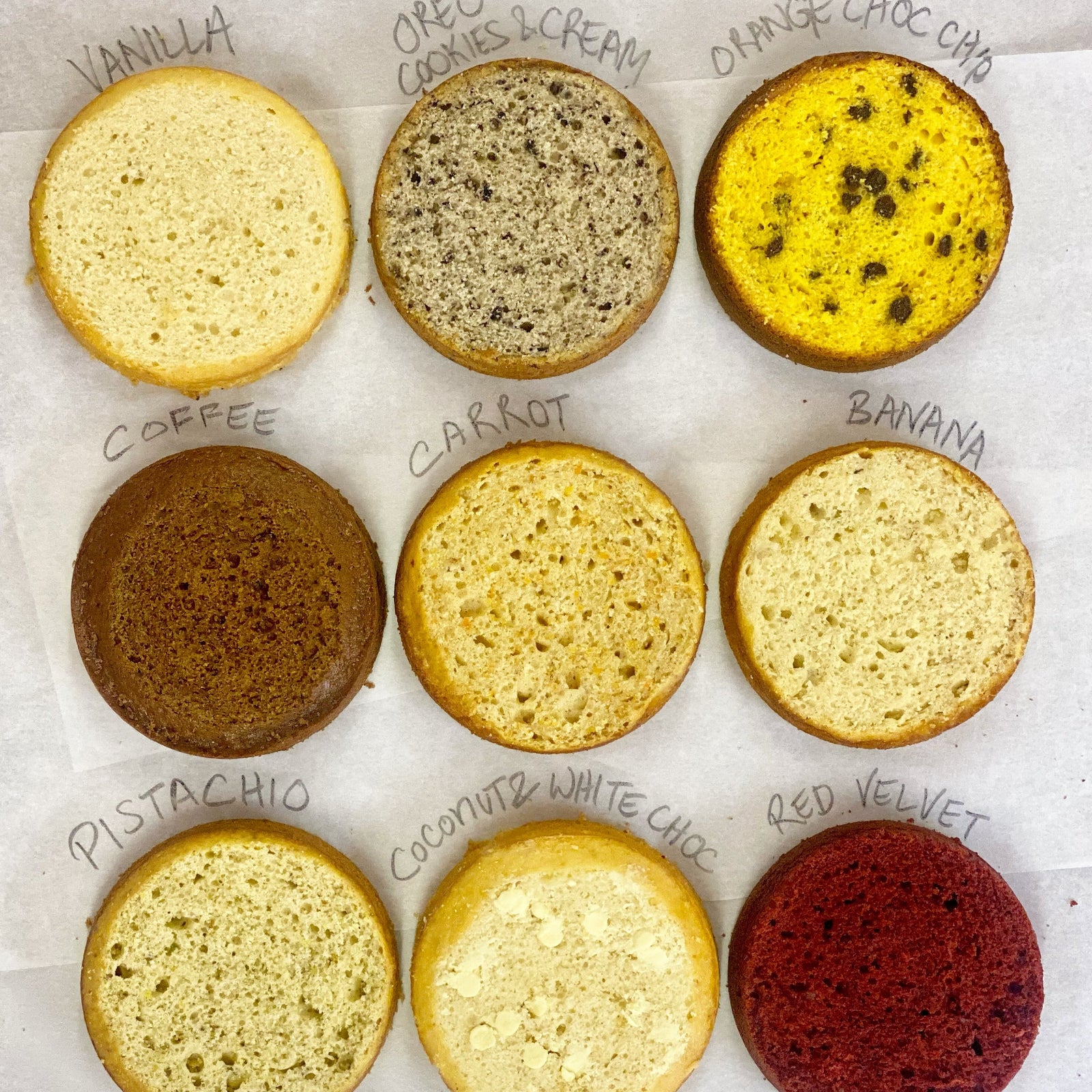
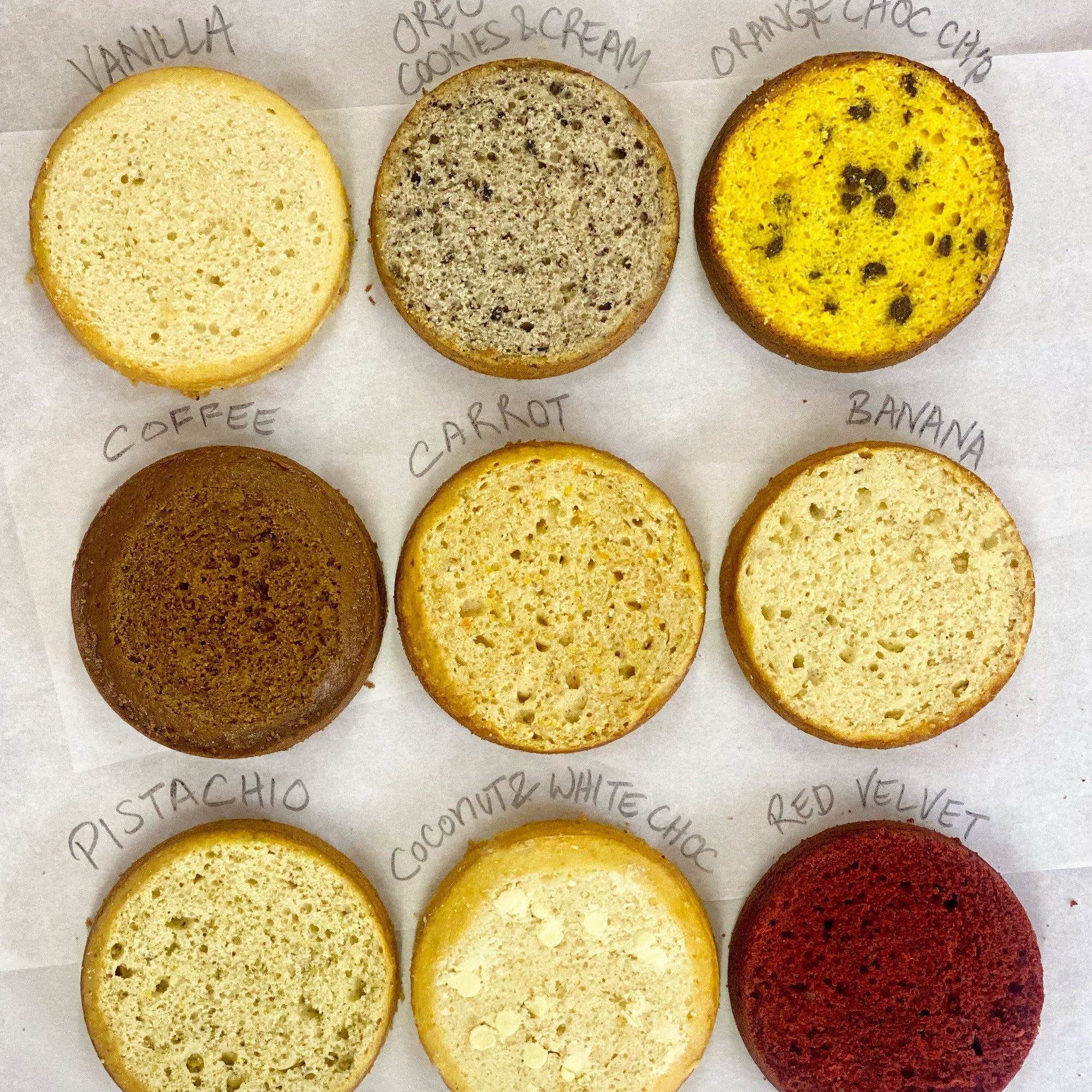
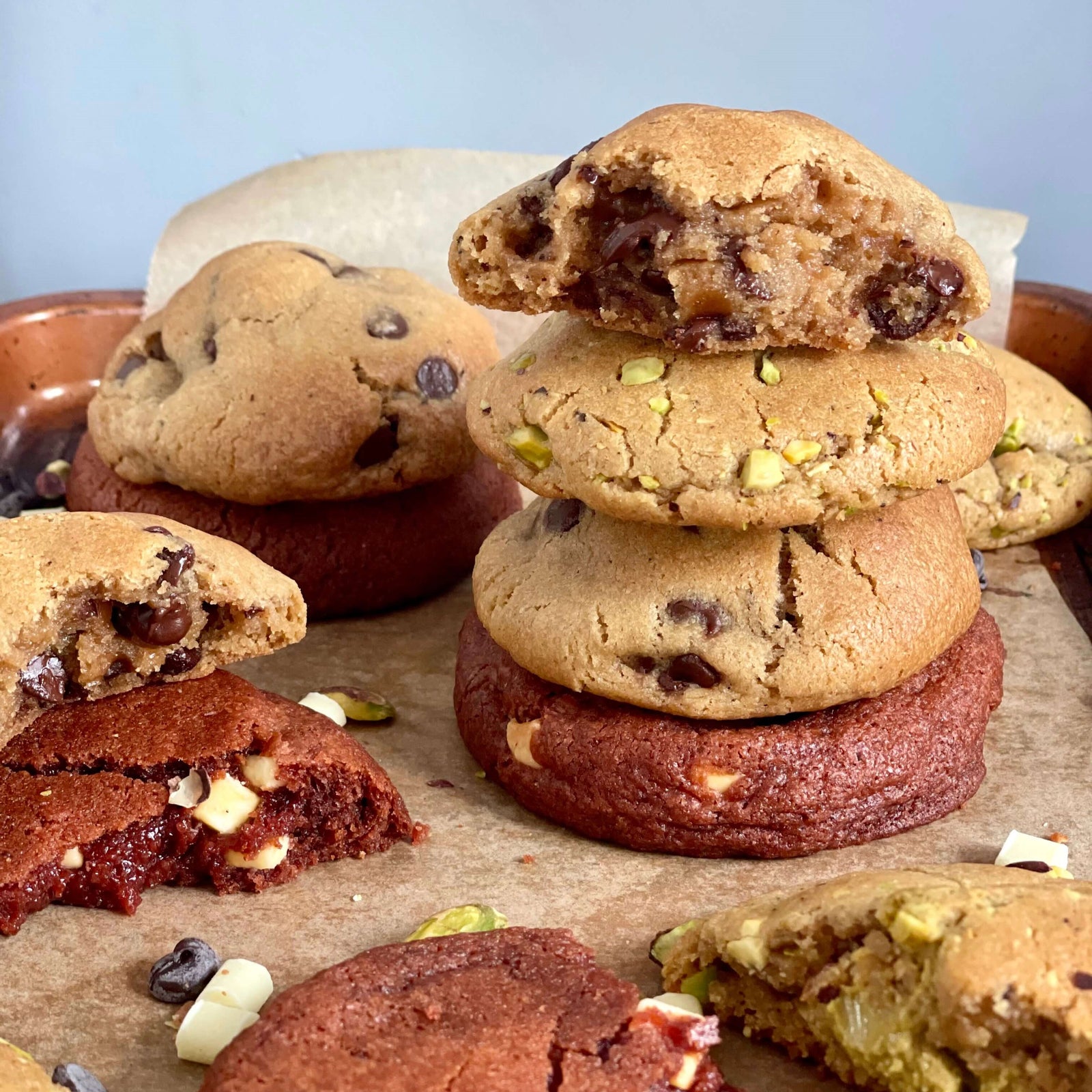
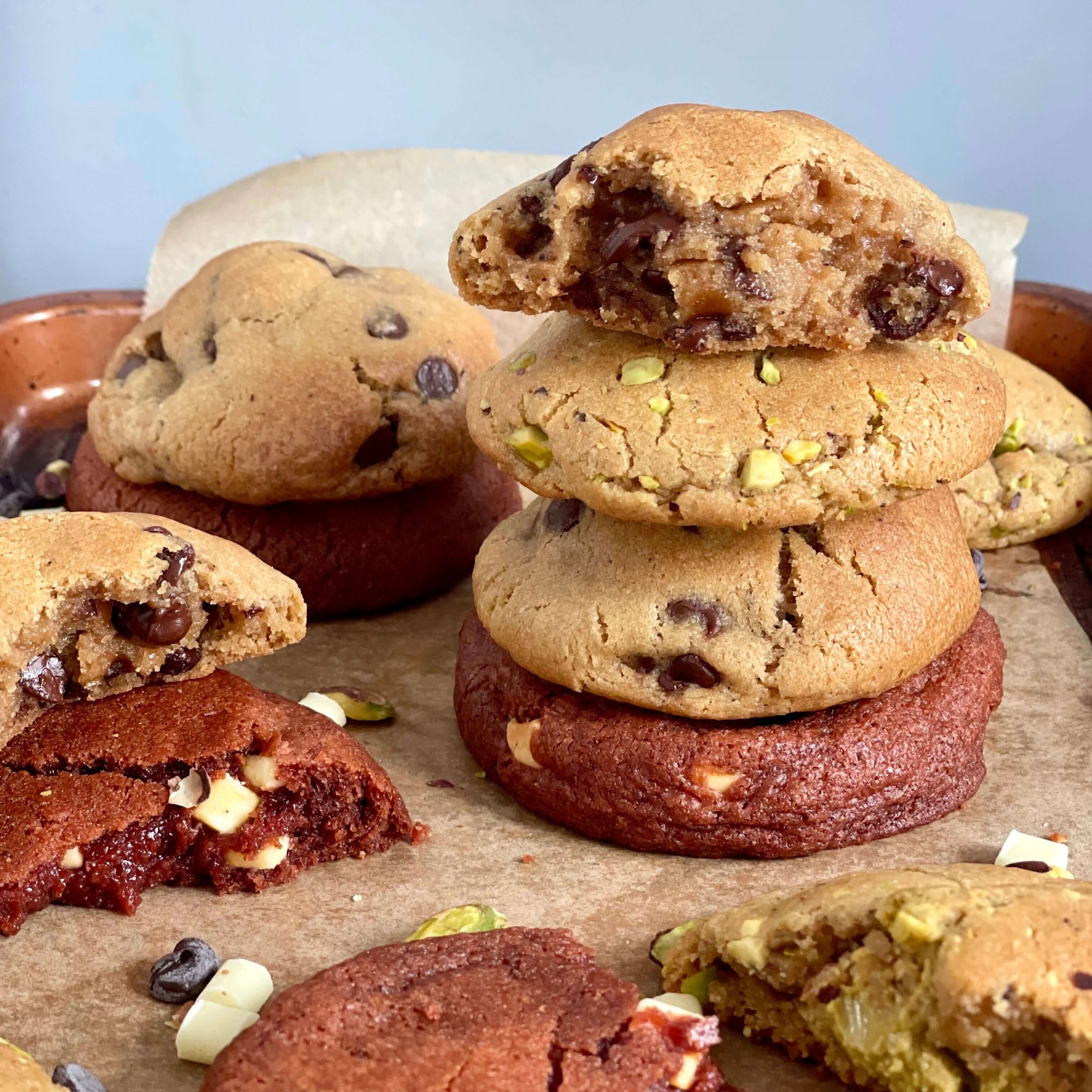
If all this talk of chocolate has left you slightly peckish, our chocolate cake collection is a reminder of what chocolate can still be when it’s treated with care rather than leverage.
References & Further Reading
International Cocoa Organization (ICCO) – Cocoa Market Reports and Price Data
FAO (Food and Agriculture Organization of the United Nations) – Climate Impacts on Cocoa Production
World Bank Commodity Markets Outlook – Cocoa and Agricultural Commodities
Financial Times – Cocoa price surge and chocolate manufacturer earnings analysis
The Guardian – Shrinkflation and consumer goods pricing trends
OECD – Agricultural Value Chains and Producer Pricing Power











Leave a comment (all fields required)