





Baking Measurements · Cups To Grams · Proper Cake Science
Baking Measurements That Actually Work
Baking is enormous fun, but it is also one of those annoying activities where “a bit of this and a bit of that” can turn very quickly into “why has my cake sunk in the middle like a sad paddling pool?”
It may be tempting to guesstimate your measurements, especially when the recipe looks simple, but accuracy matters. Flour, sugar, butter, cocoa powder and liquids all behave differently, and a small measuring mistake can change the rise, crumb, texture and flavour of your bake.
For cakes, macarons, bread and anything you want to repeat reliably, use grams and digital scales. Cups and spoons are handy for casual baking with children, but grams give you the cleanest, most consistent results.

At our award-winning London bakery, we only use metric measurements. That means grams for dry ingredients and grams or millilitres for liquids. It keeps production consistent and makes recipes much easier to scale up or down.
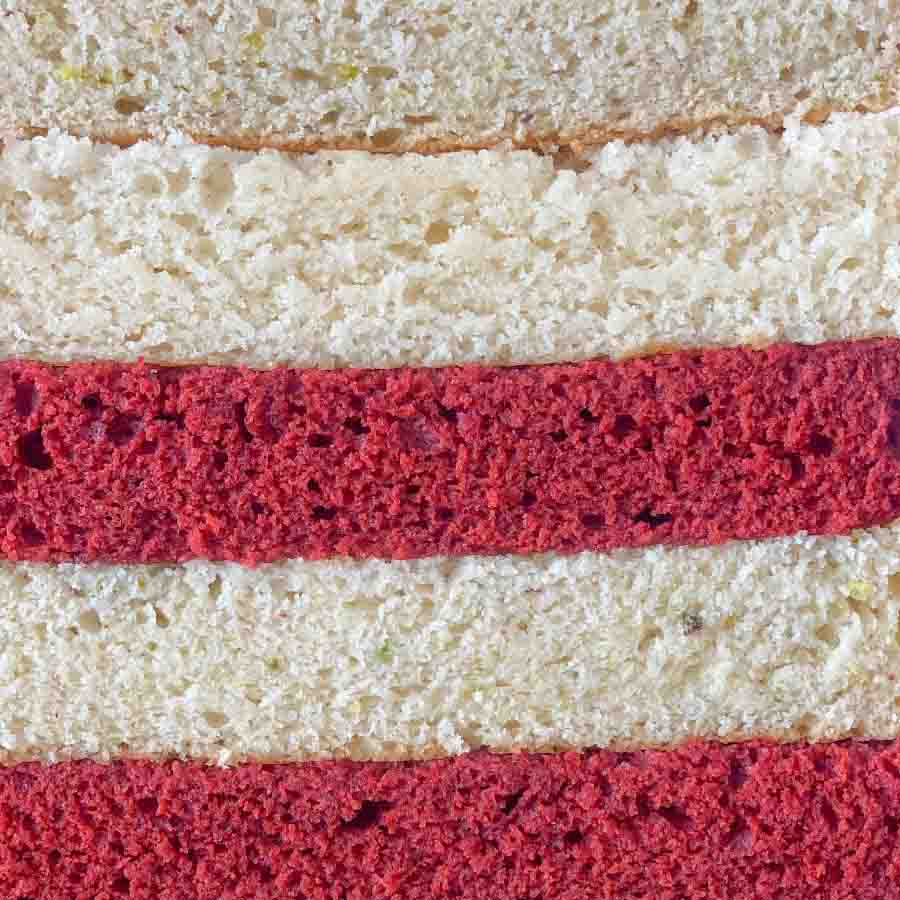
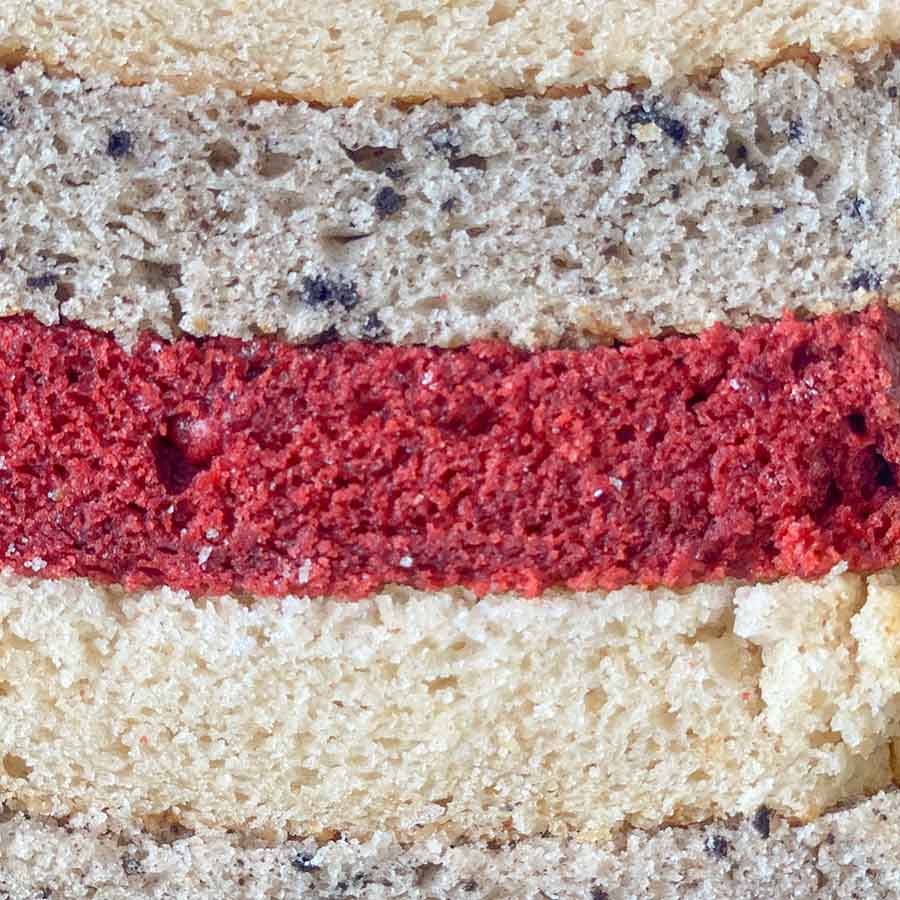
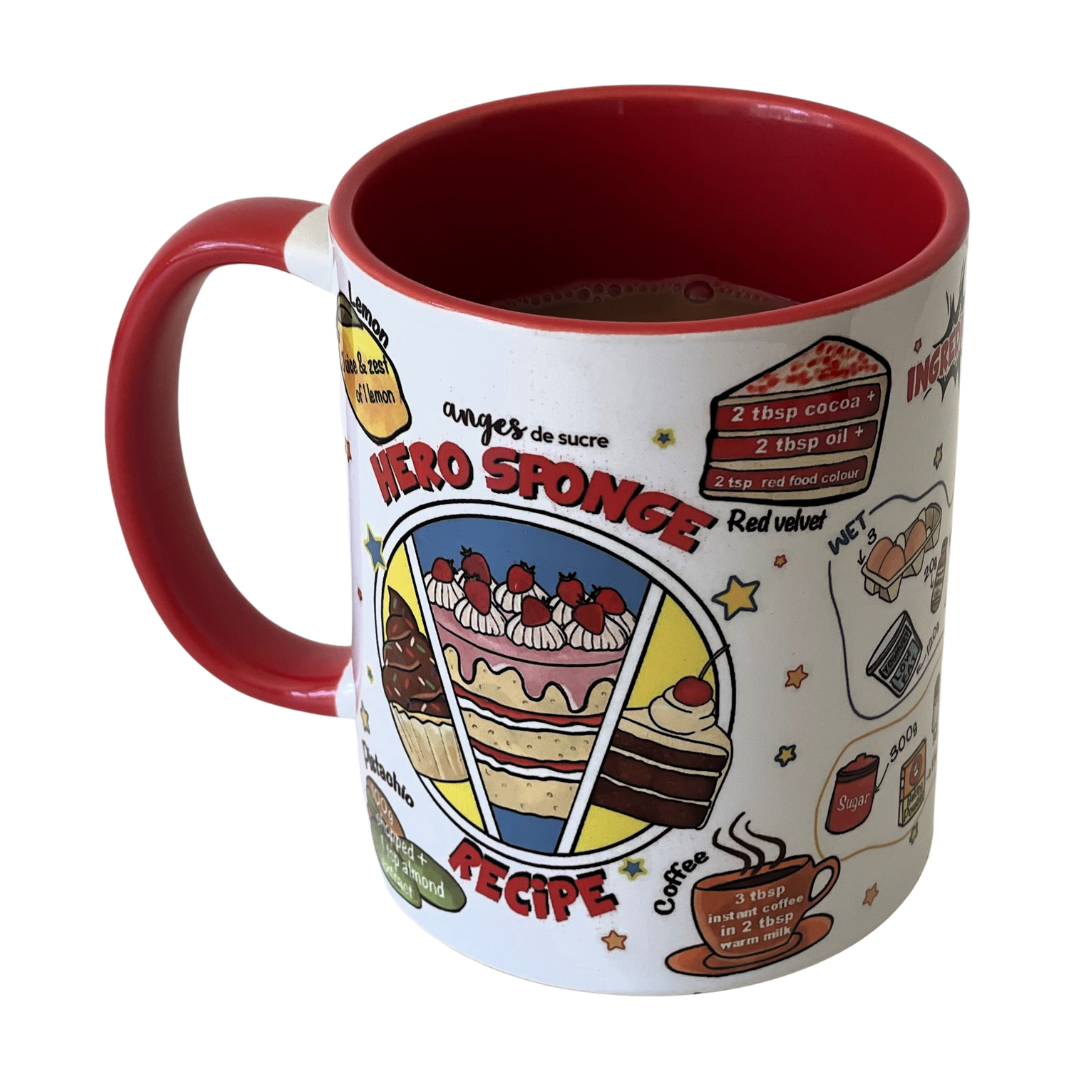
Our Hero Sponge recipe, which has become a bit of a cult favourite on social media, is measured in grams for exactly this reason. It is designed to be reliable, repeatable and wonderfully unfussy.
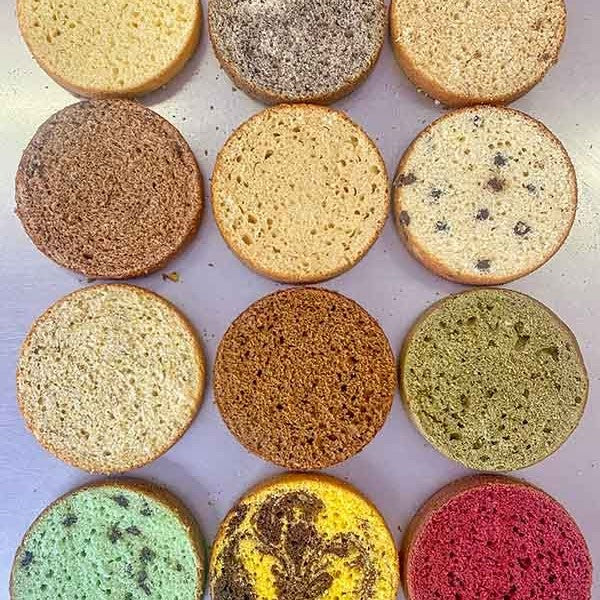
At home, though, especially when baking with children, cups and spoons can be useful. They are simple, tactile and much less intimidating than digital scales. When baking with my young son, I often use cups and spoons because it lets him get stuck in confidently. Scales can come later.
That is why both systems have their place. The trick is knowing when each one is your friend, and when it is quietly plotting against your sponge.
What Baking Measurements Are There?
Baking measurements usually fall into three main families: cups and spoons, metric measurements and imperial measurements.
Cups and spoons measure by volume. Grams and ounces measure by weight. This sounds like a small distinction, but it is the reason a cup of flour does not weigh the same as a cup of sugar, butter, cocoa powder or ground almonds.
A cup is a volume measure, not a weight measure. One cup of flour and one cup of butter take up the same space, but they do not weigh the same. That is why ingredient-specific conversions matter.
Cup And Spoon Measures
Measuring spoons usually come in sets with tablespoons, teaspoons and fractions of each. Please do not use the random teaspoons from your cutlery drawer and hope for the best. Those spoons are for stirring tea and eating yoghurt while standing at the fridge. They are not precision baking tools.

Measuring cups are for larger amounts. Graded cup sets are best for dry ingredients such as flour, sugar and cocoa powder. Clear measuring jugs are better for liquids because you can check the level at eye height.
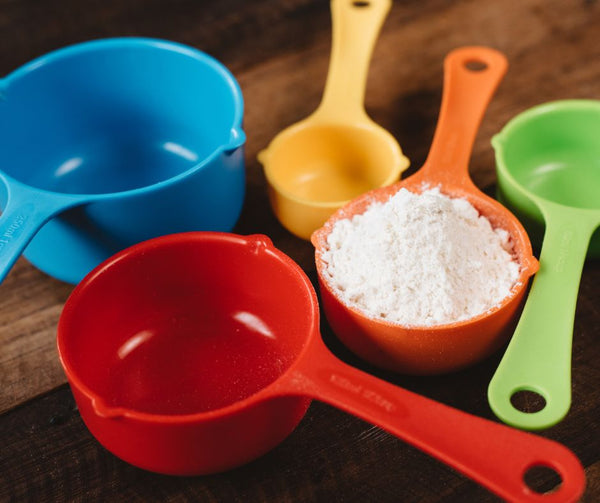
How To Measure Dry Ingredients Properly
- Flour: Spoon it into the cup, then level it off with a knife. Do not scoop straight from the bag unless you enjoy accidentally adding too much flour.
- Brown sugar: Pack it lightly if the recipe says packed. Otherwise, measure it gently.
- Cocoa powder: Spoon and level it like flour, especially if it is clumpy.
- Icing sugar: Sift first if it is lumpy, then measure.
How To Measure Liquids Accurately
- Use a clear measuring jug or cup.
- Place it on a flat surface.
- Check the liquid at eye level.
- Measure to the line, not somewhere vaguely near the line.
Pros Of Cups And Spoons
- Quick and convenient
- Good for casual baking
- Helpful when baking with children
- Useful for American recipes
- No digital scales required
Cons Of Cups And Spoons
- Less accurate than weighing
- Awkward for scaling recipes
- Easy to overpack flour
- Different countries use different cup sizes
- Not ideal for precise patisserie
Metric And Imperial Measurements
Most UK baking recipes now use metric measurements. That usually means grams for ingredients such as flour, sugar, butter and cocoa powder, and millilitres for liquids such as milk, cream and water.
Imperial measurements, such as ounces and pounds, still appear in older British recipes. They work perfectly well, but metric is easier to scale, cleaner to calculate and generally more useful for modern baking.
If a recipe gives both cups and grams, use the grams. They are more accurate, easier to repeat and far less dependent on how aggressively you have scooped the flour.
Pros Of Grams And Scales
- Highly accurate
- Easy to scale up
- Consistent results
- Better for cakes and macarons
- Less washing up if you tare between ingredients
Cons Of Grams And Scales
- You need kitchen scales
- Slightly slower for young children
- Less intuitive for American recipes
- Requires proper taring between ingredients
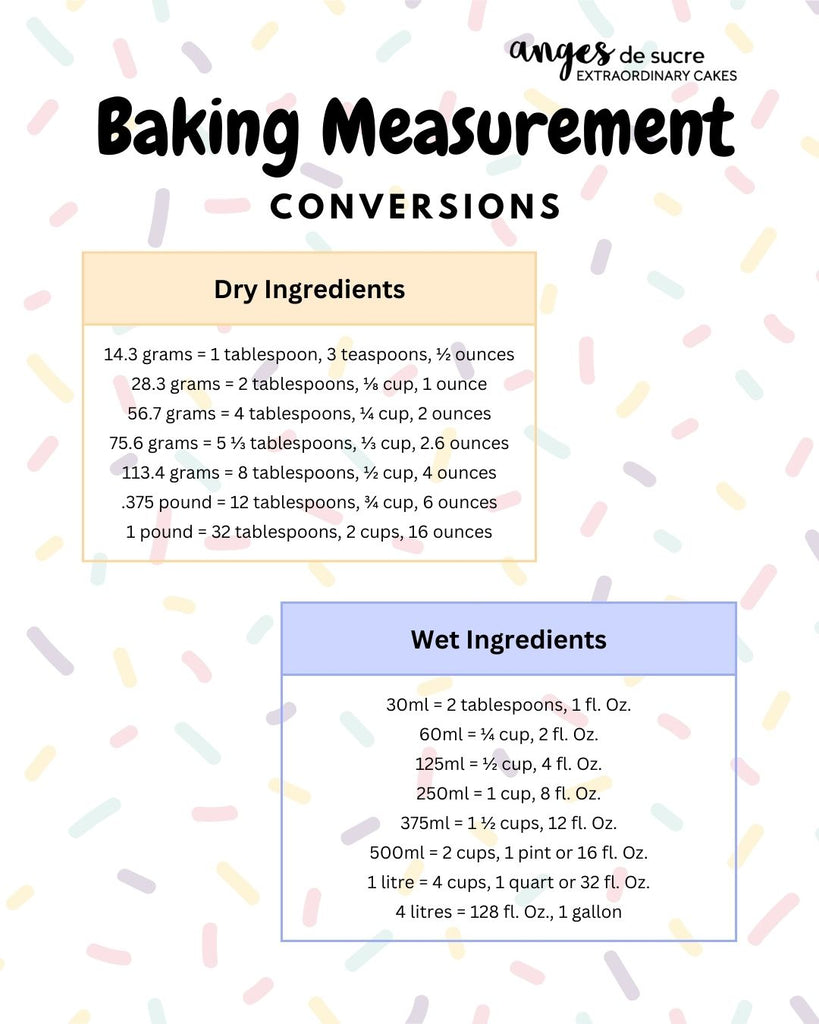
Quick Baking Measurement Conversions
Here are the basic conversions that are useful to keep in your head, or at least somewhere near your mixing bowl.
| Measure | Approximate Equivalent | Useful Note |
|---|---|---|
| 1 teaspoon | 5ml | Use a proper measuring spoon, not a tea spoon from the drawer. |
| 1 tablespoon | 15ml | Standard UK tablespoon measure. |
| 1 US cup | 240ml | Common in American recipes. |
| 1 Australian cup | 250ml | Check the country of origin when following cup-based recipes. |
| 1 ounce | 28g | Useful for older imperial recipes. |
| 1 pound | 454g | Often rounded depending on the recipe. |
Grams To Cups By Ingredient
This is where baking conversions get slightly cheeky. You cannot use one universal grams-to-cups conversion for every ingredient because ingredients have different densities.
A cup of flour is light. A cup of butter is heavy. A cup of cocoa powder is fluffy and moody. A cup of brown sugar depends on whether you packed it like a suitcase before a long-haul flight.

Use this table as a practical guide for common baking ingredients. For delicate recipes, weighing is still best.
| Ingredient | 1 Cup Approx. | Best Used For |
|---|---|---|
| Plain flour | 120g | Cakes, cookies, brownies and general baking. |
| Granulated sugar | 200g | Sponge cakes, biscuits and simple batters. |
| Caster sugar | 200g | Cakes and buttercreams where finer sugar dissolves more easily. |
| Icing sugar | 120g | Buttercream, glaze and dusting. |
| Light brown sugar, packed | 200g | Cookies, caramel flavours and richer sponge cakes. |
| Butter | 227g | Buttercream, pastry, biscuits and traditional sponge cakes. |
| Cocoa powder | 85g | Chocolate cakes, brownies and buttercream. |
| Ground almonds | 100g | Macarons, friands and almond cakes. |
| Whole milk | 240ml | Cake batters, pancakes and enriched doughs. |
| Oil | 220g approx. | Moist sponge cakes and oil-based batters. |
When converting cups to grams, convert by ingredient, not by cup alone. One cup of flour is not the same as one cup of sugar, butter or cocoa powder.
Common Problems When Measuring Baking Ingredients
Most measuring disasters are not dramatic. They are tiny. A scale not tared. A tablespoon confused with a dessert spoon. Baking powder swapped for bicarbonate of soda. Flour scooped straight from the bag and packed into the cup like wet sand.
- Forgetting to tare the scales: Always press zero before adding the next ingredient, unless you want your cake to become a maths exam.
- Scooping flour with the cup: This compresses the flour and can add far too much. Spoon and level instead.
- Mixing up baking powder and bicarbonate of soda: They are not the same thing and they do not behave the same way.
- Using the wrong cup size: A US cup is usually 240ml. Some other cups are 250ml. That difference can matter.
- Measuring sticky ingredients casually: Syrup, honey and nut butters need proper weighing or careful spooning.
- Getting distracted halfway through: Count aloud, measure into small bowls, or tick ingredients off as you go.
When Should You Use Cups, And When Should You Use Grams?
There is no need to be snobby about cups. They are brilliant for relaxed baking, especially with children or very simple recipes. But for precision, grams win every time.
Use Cups And Spoons For
- Pancakes
- Brownies
- Cookies
- Simple muffins
- Casual baking with children
Use Grams And Scales For
- Sponge cakes
- Macarons
- Bread
- Pastry
- Large batch baking
The Stress-Free Way To Bake Better
Baking is science, yes, but it should not feel like sitting an exam in a flour cloud. Once you understand which measurements matter, the whole process becomes calmer.
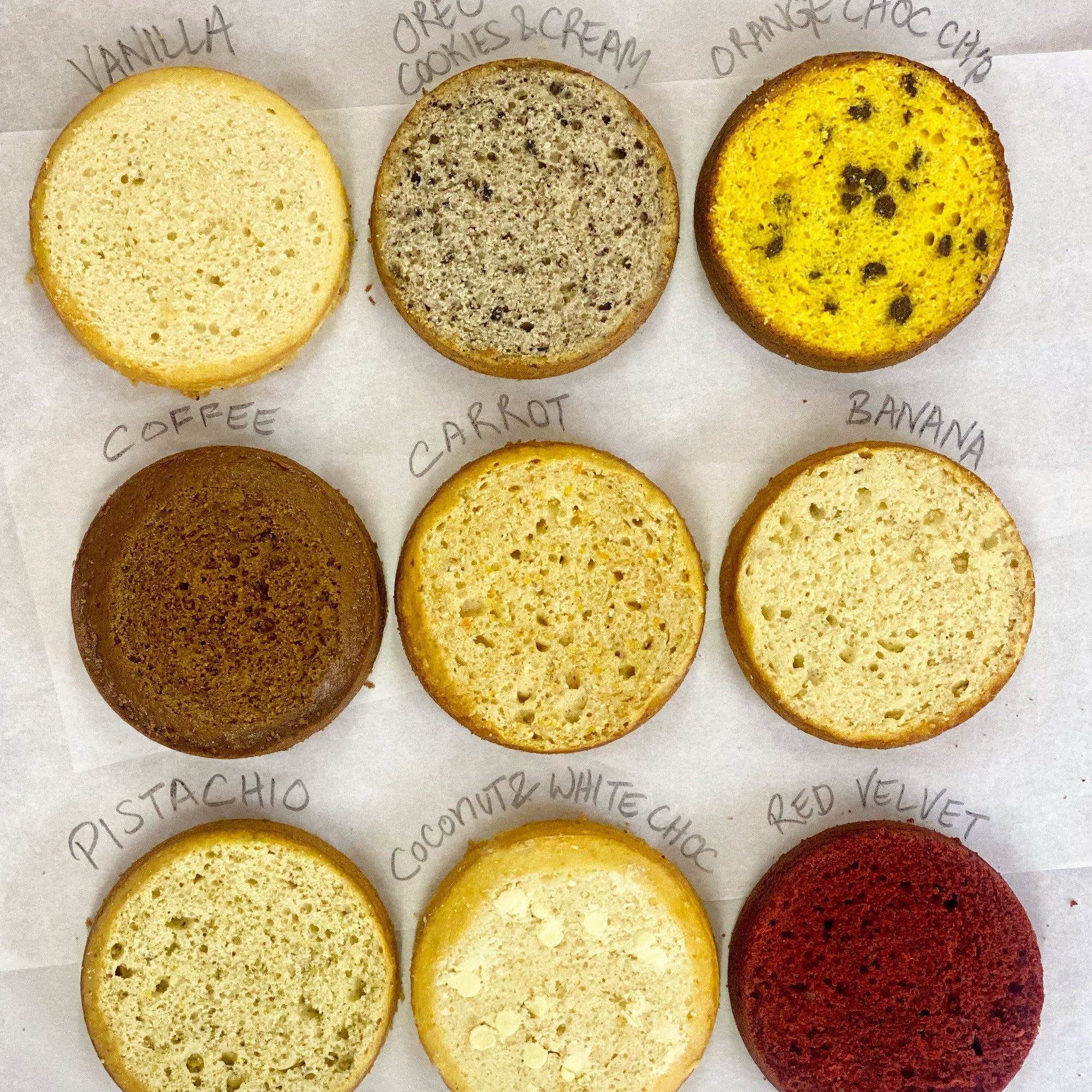
Use scales when accuracy matters. Use cups and spoons when convenience matters. And if you want a sponge recipe designed to avoid tricky conversions altogether, our Hero Sponge recipe is written in grams, tested in a real bakery and made to be beautifully reliable.
Our Hero Sponge recipe is measured in grams for consistent, fluffy, moist sponge every time, with no awkward cup conversions needed.
Love, Reshmi xoxo




Nithya lakshmi
July 13, 2021
Nice I can understand now. Thank you so much. Sister