
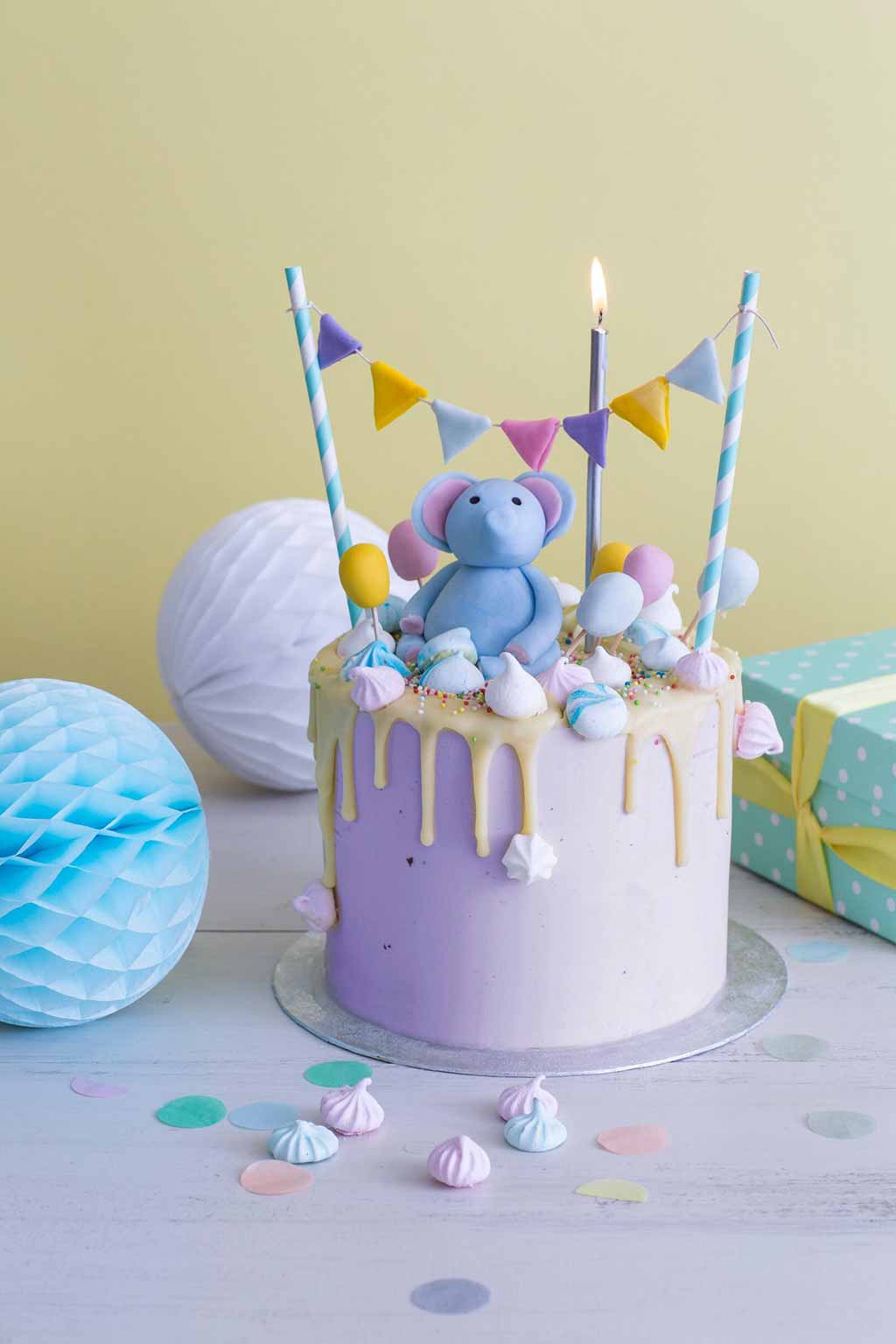
Birthday cake traditions have changed repeatedly across countries, families and centuries. Some familiar stories are well documented; others have been repeated so often that legend and history have become mixed together. Here are ten useful points without the dubious spending figures, unsupported world records or diamond-cake claims that appeared in an earlier version of this article.
1. There Was No Single First Birthday Cake
People have marked birthdays and other anniversaries with breads, pastries and sweetened cakes in many places. The modern iced birthday cake developed gradually as refined sugar, ovens and specialist baking equipment became more widely available. It is therefore safer to talk about an evolving tradition than one definitive inventor.
2. German Kinderfest Helped Shape The Children's Birthday Cake
The German children's celebration known as Kinderfest is frequently associated with the development of birthday cakes and candles. Accounts vary, but it helped establish the recognisable idea of a dedicated cake for a child's birthday.
15 More Cake Facts For Quizzes, School Projects And Cake Nerds
- Vanilla is an orchid fruit. The flavour comes from cured pods of plants in the genus Vanilla.
- Baking soda is sodium bicarbonate. It needs acid and moisture to produce carbon dioxide in cake batter.
- Baking powder carries its own acid. That is why it can raise relatively neutral cake batters.
- Traditional pound cake explains its own name. Classic formulas used a pound each of butter, sugar, eggs and flour.
- Genoise gets much of its lift from eggs. The foam created by whipping eggs and sugar provides structure before baking.
- Angel food cake contains no egg yolks. Its structure comes primarily from whipped egg whites and flour.
- Oil keeps cakes soft differently from butter. Because common baking oils remain liquid at room temperature, oil-based crumbs can stay soft even when cool.
- Sugar does more than sweeten. It attracts and holds water, influencing moisture and tenderness as well as flavour.
- Salt can make chocolate taste more chocolatey. Small amounts sharpen flavour and temper one-dimensional sweetness.
- Coffee can deepen chocolate without making a cake taste like coffee. Used carefully, roasted notes reinforce cocoa.
- Natural and Dutch-process cocoa behave differently. Dutching reduces cocoa's natural acidity, which matters when a recipe depends on baking soda.
- Meringue is a protein foam. Whisking unfolds egg-white proteins so they can trap air and build structure.
- Chocolate bloom is not automatically mould. Pale streaks or patches can be fat or sugar crystals that have migrated to the surface.
- A cake can keep cooking after it leaves the oven. Residual heat continues moving through the sponge as it begins to cool.
- Cake is a useful teaching tool. Smithsonian staff have even used elaborate cakes to communicate archaeology and natural-history subjects.
For the vanilla fact, see Royal Botanic Gardens, Kew. For a particularly glorious example of cake being used for education, see the Smithsonian's science-themed cakes.
For a young child's celebration, choose a design appropriate to their age and check every decoration before serving. Our first birthday cakes are made as celebration cakes for people, not as toys or sensory props.
3. Candle Traditions Have More Than One Origin Story
Ancient Greek offerings to Artemis are often mentioned in histories of candles and round cakes, while later European birthday customs provide a closer link to the practice we recognise today. It is difficult to draw one unbroken historical line between them.

4. The Number Of Candles Is A Choice, Not A Rule
Many families use one candle for each year, a single number candle or one symbolic candle. A crowded cake does not need dozens of individual flames. Read more about the tradition in our guide to birthday cake candles.
5. Candle Safety Matters More Than The Photograph
- Place the cake on a stable, clear surface before lighting anything.
- Keep hair, sleeves, paper toppers, dried flowers and other flammable decorations away from flames.
- An adult should light and supervise candles around children.
- Use the smallest practical number of candles and keep water or an appropriate fire blanket nearby.
- Extinguish every flame fully before removing candles and cutting the cake.
Never use indoor fountains, sparklers or novelty candles unless they are specifically suitable for food presentation and the venue permits them.

6. Pushing Somebody's Face Into A Cake Is Dangerous
Some celebrations include a custom of pushing the guest of honour towards the cake. Do not do this. A cake may contain dowels, skewers, wires, hard toppers, candles or a rigid central support that cannot be seen from the outside. There is also a risk of burns, eye injury, choking and damage to the table or stand.
7. Large Cakes Need Proper Structure
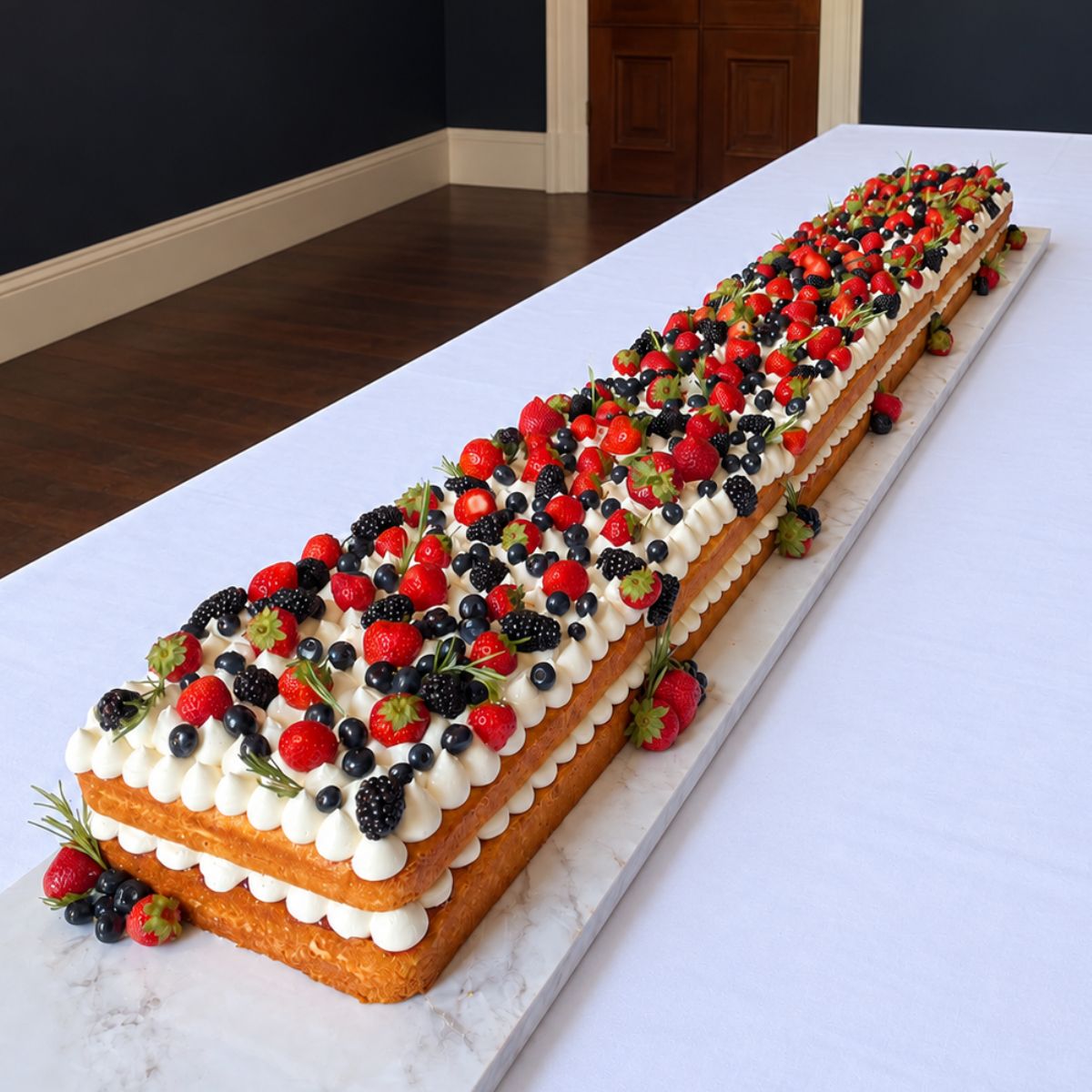
A very large or tall cake is an engineered food structure, not simply a bigger sponge. Boards, food-safe supports, serving calculations, transport and venue access all need planning. Internet claims comparing record cakes with elephants or cars add little practical value and should not guide an order.

8. Milestone Birthdays Change The Brief
An eighteenth, twenty-first, fortieth or eightieth birthday may call for a very different cake even when the guest count is identical. The useful questions are the person's tastes, venue, number of portions, serving time, transport arrangements and whether the design needs simple personalisation or a more substantial custom adaptation. If the age itself should be the centrepiece, our number cakes make the milestone part of the design.
9. There Is No Universal Favourite Flavour
Chocolate is popular, but claims that it is definitively the world's favourite birthday flavour depend on the survey, place and year. Vanilla, red velvet, pistachio, fruit-led cakes and many other flavours can be equally appropriate. Choose for the person being celebrated rather than an unsupported ranking.

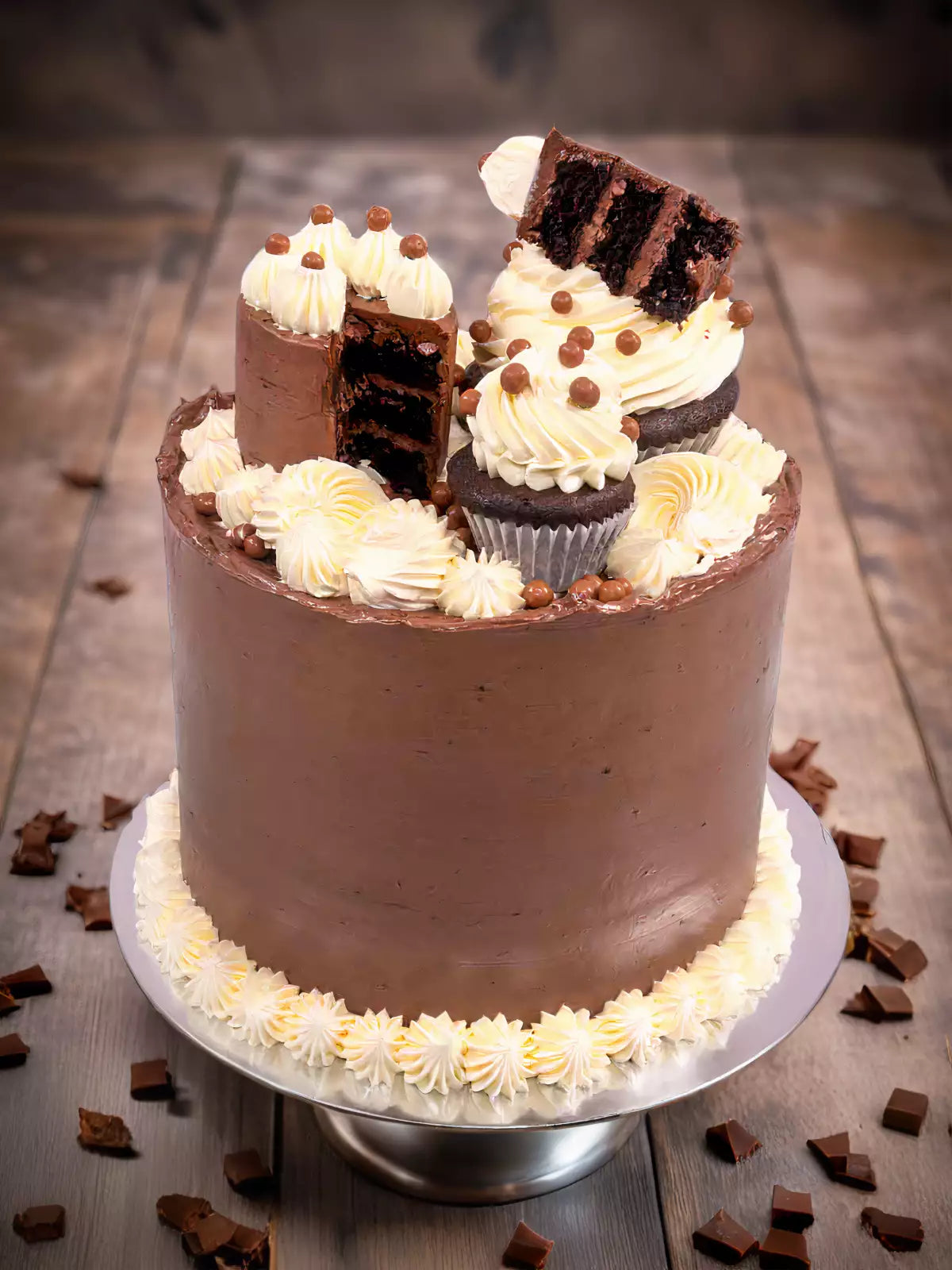
If chocolate is the flavour you want, browse our current chocolate cakes.
10. Human Birthday Cake Is Not Pet Food
Do not give an ordinary celebration cake to a dog, cat or other animal. Chocolate, xylitol, grapes, raisins, alcohol and several other common ingredients can be dangerous, while rich fat and sugar are inappropriate even when no specific toxin is present.
A pet celebration should use a recipe or product created for that species and approved by a veterinary professional. Keep pets away from the cake table, candles, ribbon, skewers and discarded packaging.
Planning A Birthday Cake
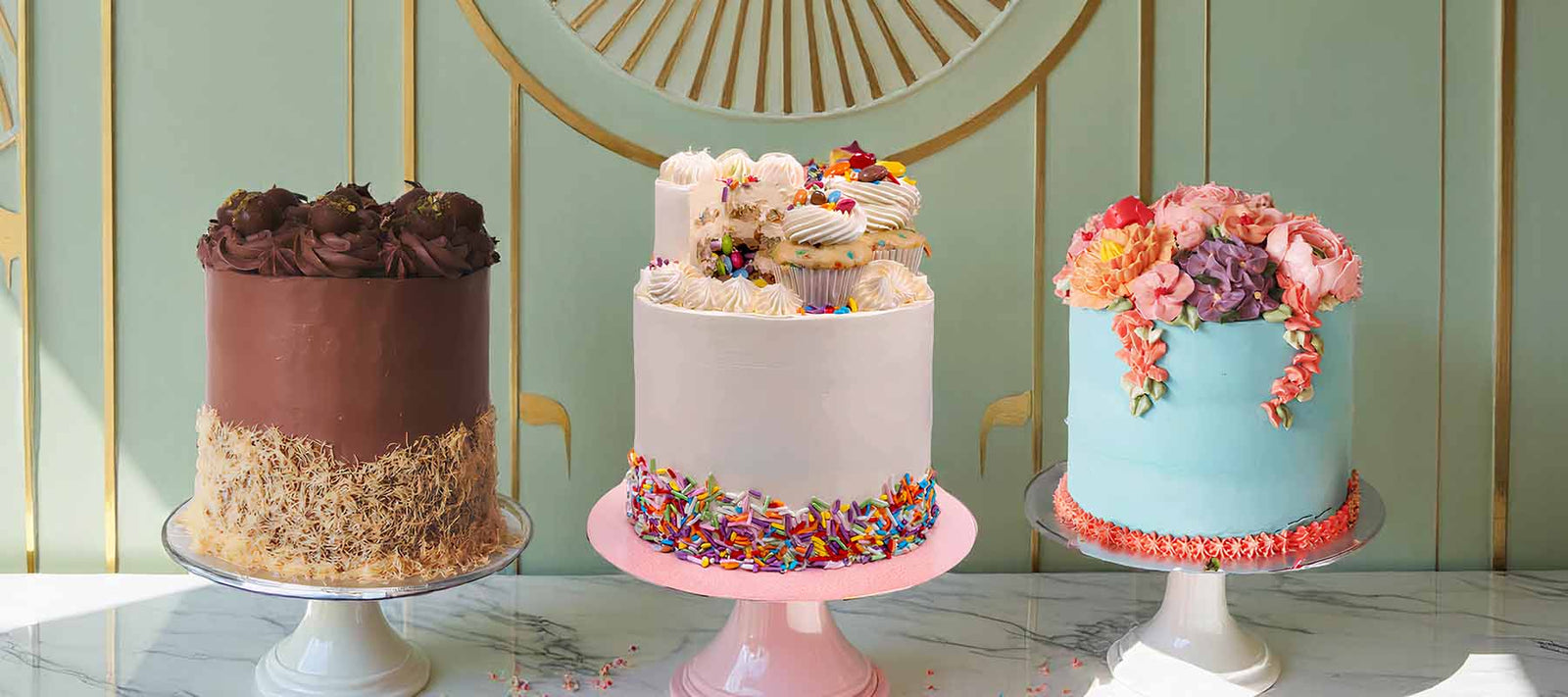
Confirm portions, allergens, delivery access, serving time, candles and venue rules before ordering. Anges de Sucre bakes celebration cakes fresh and delivers directly with its own team across London and Surrey on available delivery days.
See our birthday cakes and current delivery information.



i love this
Cool
Nice facts btw, thanks
These where super cool!Thanks for helping out with my end for my essay!