
Macarons · Patisserie Notes
Macaron, Macaroon, And Other Ways To Start A Patisserie Argument
Over the years I’ve heard Rush-mee, Resh-mee, and, the pièce de résistance, Rash-mee, a pronunciation that sounds more like a medical condition than a daughter. Unless you’re from the Indian subcontinent, you simply would not think to say Ray-shmee.
Eventually, I stopped correcting people. Life is too short, and frankly, if someone is offering me macarons, they can call me whatever they want.
A macaron is the French almond meringue sandwich with a smooth shell, soft centre and buttercream or ganache filling. A macaroon is usually a coconut-based bake. They sound similar, but they are very different little creatures.

How Do You Pronounce Macaron?
In French, macaron is roughly pronounced mah-kah-RON, with a softer, slightly nasal final sound. In everyday British English you will also hear mak-uh-RON. Macaroon, the coconut bake, is pronounced mak-uh-ROON. The final syllable is the easiest way to keep the two names apart.
Macaron Vs Macaroon
You know what is even more butchered than my name? Macaron. I first discovered them in France while studying patisserie, so I say “mac-a-ron”. In the UK, call them “mac-a-roons” and everyone nods along, blissfully unaware that one involves almond meringue and the other involves desiccated coconut and the texture of damp sand.
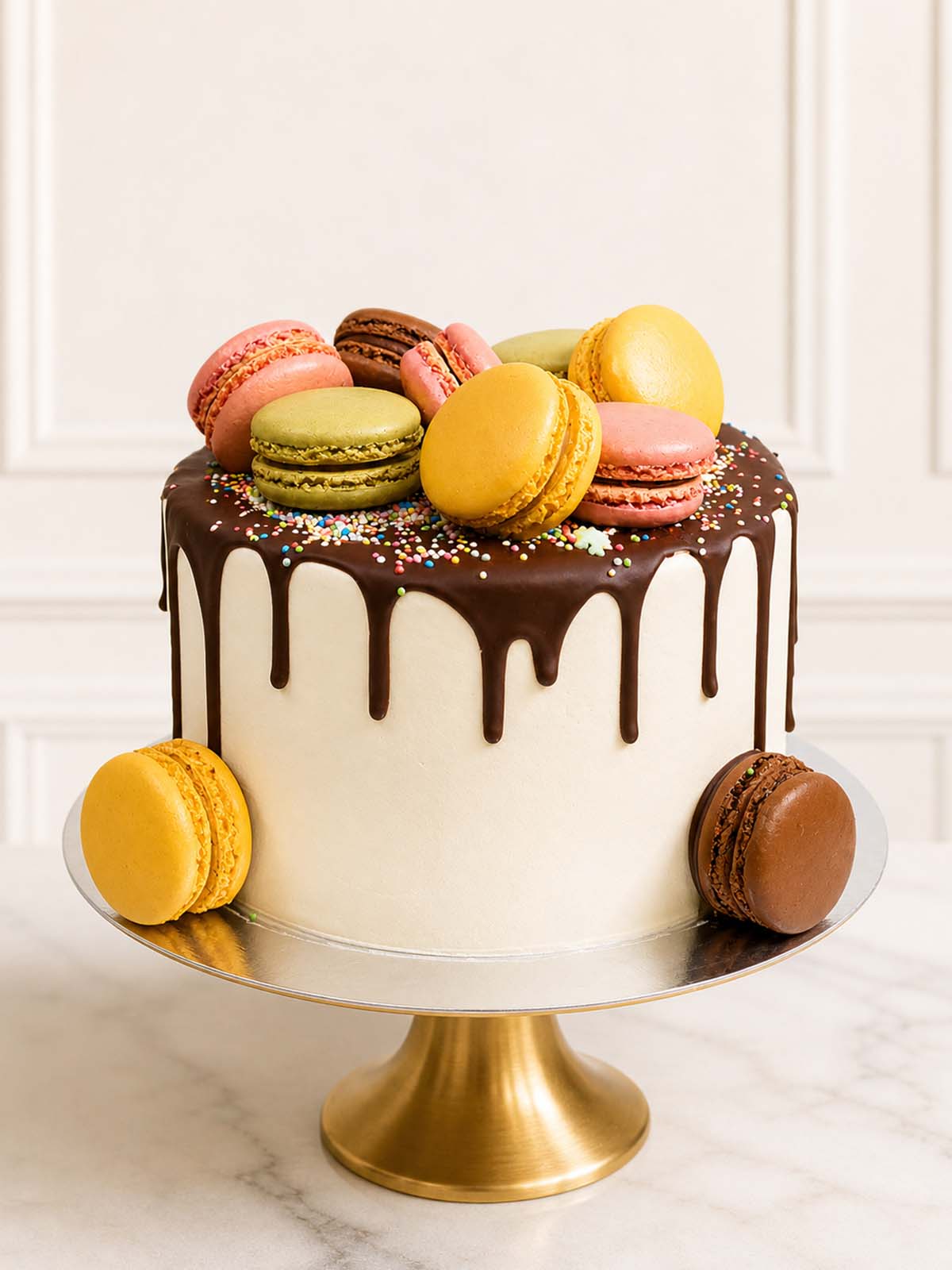
A macaron cake would be exquisite. A coconut macaroon cake would be... a health and safety incident.
- Macaron French almond meringue shells, usually filled with buttercream, ganache or curd.
- Macaroon Often coconut-based, denser, chewier and much more rustic.
- The Confusion Similar spelling, similar history, very different eating experience.
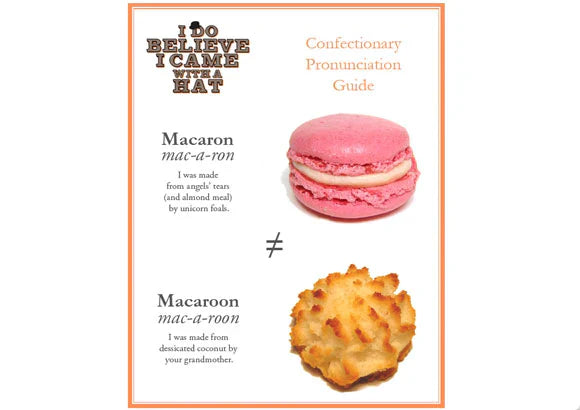
Here’s a comparison diagram I stumbled across on I Do Believe I Came With a Hat:

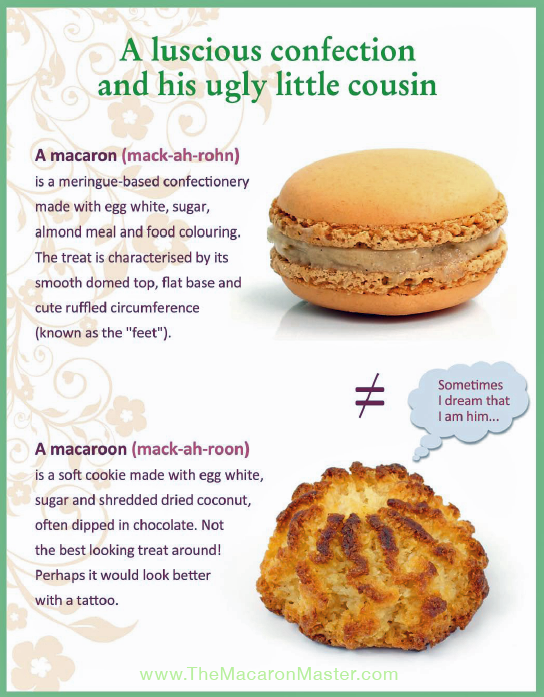
And another, courtesy of The Macaron Master:
The Bakery Peace Treaty
Since launching Anges de Sucre, another name everyone pronounces differently, we are consistent like that, I’ve relaxed. Call them macarons, call them macaroons, call them French fancy sandwich things. I promise I will not clutch my pearls.
After all, language evolves, and if the entire world calls them macaroons, who am I to start a revolution? Although, between us, “mac-a-ron” does make you sound like you know your way around a proper birthday cake.
Still, I draw the line at “mac-a-runs”. My co-director vetoed it instantly, apparently it sounds like I’m selling baked goods that cause gastrointestinal distress. We’ve settled on “French macaroon” as a peace-treaty phrase, easily understood and sufficiently correct to keep the purists from forming an angry buttercream-wielding mob.
Say macaron if you want to be technically correct. Say French macaroon if you want everyone in Britain to understand what you mean. Say mac-a-run and we may need a quiet word.

Names Matter, But Flavour Matters More
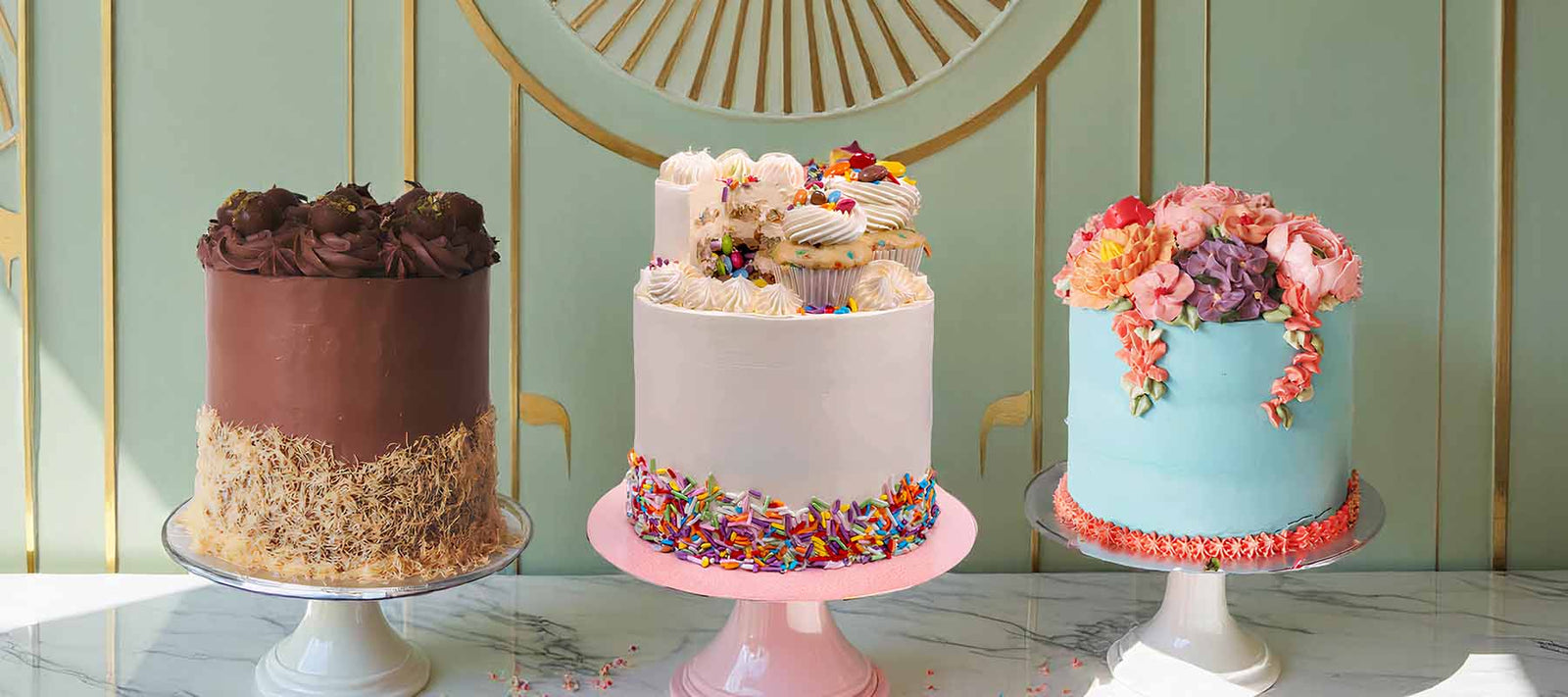
Whether you’re a macaron purist or a macaroon enthusiast, you’re in very safe hands here. And if your heart genuinely lies in something show-stopping, towering, or unashamedly outrageous, our luxury cakes and wedding cakes are what we’re actually famous for across London and Surrey.
Yes, even more than the great Macaron vs Macaroon debate.
Make Them Yourself
Now that we’ve cleared up the world’s most unnecessary pronunciation war, here’s the fun part: make them yourself. Truly. You can absolutely do it. Macarons have a reputation for being moody little divas, but with the right method, they are far less terrifying than the internet would have you believe.
Our Hero Fool-Proof Macaron Recipe was created to take away the guesswork. It shows you how to make the shells, understand the texture, avoid the common disasters and finally get those glossy, delicate little beauties behaving themselves.
- For Beginners A clear method that takes the fear out of macarons.
- For Home Bakers Proper patisserie guidance without the drama.
- For Show-Offs The kindest possible route to neat shells, pretty feet and smug satisfaction.
If you have ever wanted to make proper French macarons at home, this is the recipe to begin with. Fool-proof, bakery-tested and far less scary than it looks.
Try The Fool-Proof Macaron RecipeLove,
Reshmi xoxo
I live in the UK, and macarons are not called macaroons here. Macarons are macarons, macaroons are macaroons. They’re not interchangeable at all 🤦♀️
this is soo sad the macaroon jump wanna be loved :(
Yes, thank you Ludo. I started my macaron vs. macaroon search like most other people but reading the comments became more confused. This was because my mother would always make for a certain uncle his favourite ‘macaroons’. And I know these were very strongly almond flavoured so I have been quite thrown by the descriptions of coconut based macaroons. Imagine my delight on reading that Ludo also knows about the almond macaroons, whatever their origin. Personal favourite is the sandwich macarons though.
Also delighted to have stumbled across this site and am intrigued by the hero sponge recipe. I’m always seeking the perfect sponge as many commercial cake makers seem to think you can cover any old rubbish in 2” thick icing and call it cake!
More like big cousin. Macaroons are older. They aren’t the same in any way. Macaroons are always coconut with almondy essence, with a pasty shreddy type grainy texture and often drizzled with chocolate. Macarons on the other hand, come in a variety of flavors and is a sandwich cookie. Made with two delicate cookies sandwiching a thick creamy or thick sticky jam like paste. Never oozing, Always firm enough to remain in tact. It’s really not interchangeable.
Simply the same word. The difference is the local variations of spelling and pronunciation. The French variant “macaron” didn’t become common in the United States until roughly 2005. That is why most of the older English population call the colorful dessert variant a “macaroon”. It is simply the same name and the same dessert but with different looks depending on the English/French recipe.
I love Macaroons. There is an Italian Bakery in Hartford, CT that makes the best almond macaroons, and they are also very attractive. Unfortunately, I no longer live in that region. I was not aware of macarons prior to reading your article. Now I will attempt to find some fresh macarons in the French style. Thank you for this article.
Cookies (by what ever name) are never a waste of time.
Macarons and Macaroons are two different entities. Macaroons are made with either coconut or almonds and are a flattish biscuit. Macarons have a filling and are a bit of a waste of time.
Ah, what a literary feast this article turned out to be! Truly, it is the epitome of eloquence and wit—a veritable delight for both the intellect and the soul. Not only did I revel in its humor and informative depth, but it also managed to resolve a long-standing familial conundrum that has plagued our holiday gatherings for years. Bravo, and my heartfelt thanks for this masterful contribution!
BAD