
A cake that refuses to rise is usually telling you something useful. The problem is rarely that you are “bad at baking”; it is normally one of a handful of variables: raising agent, oven temperature, tin size, mixing, recipe balance or simply taking the cake out before the centre has set.
1. Check the raising agent
Baking powder and bicarbonate of soda create carbon dioxide, but they are not interchangeable. Baking soda needs enough acid in the recipe; baking powder carries its own acid. Use the type and quantity the recipe specifies.
Old raising agents can also lose effectiveness. If a tub has been open for a very long time or is past its best-before date, replace it rather than trying to compensate by adding extra. Too much raising agent can make a cake rise aggressively and then collapse.
2. Check the real oven temperature
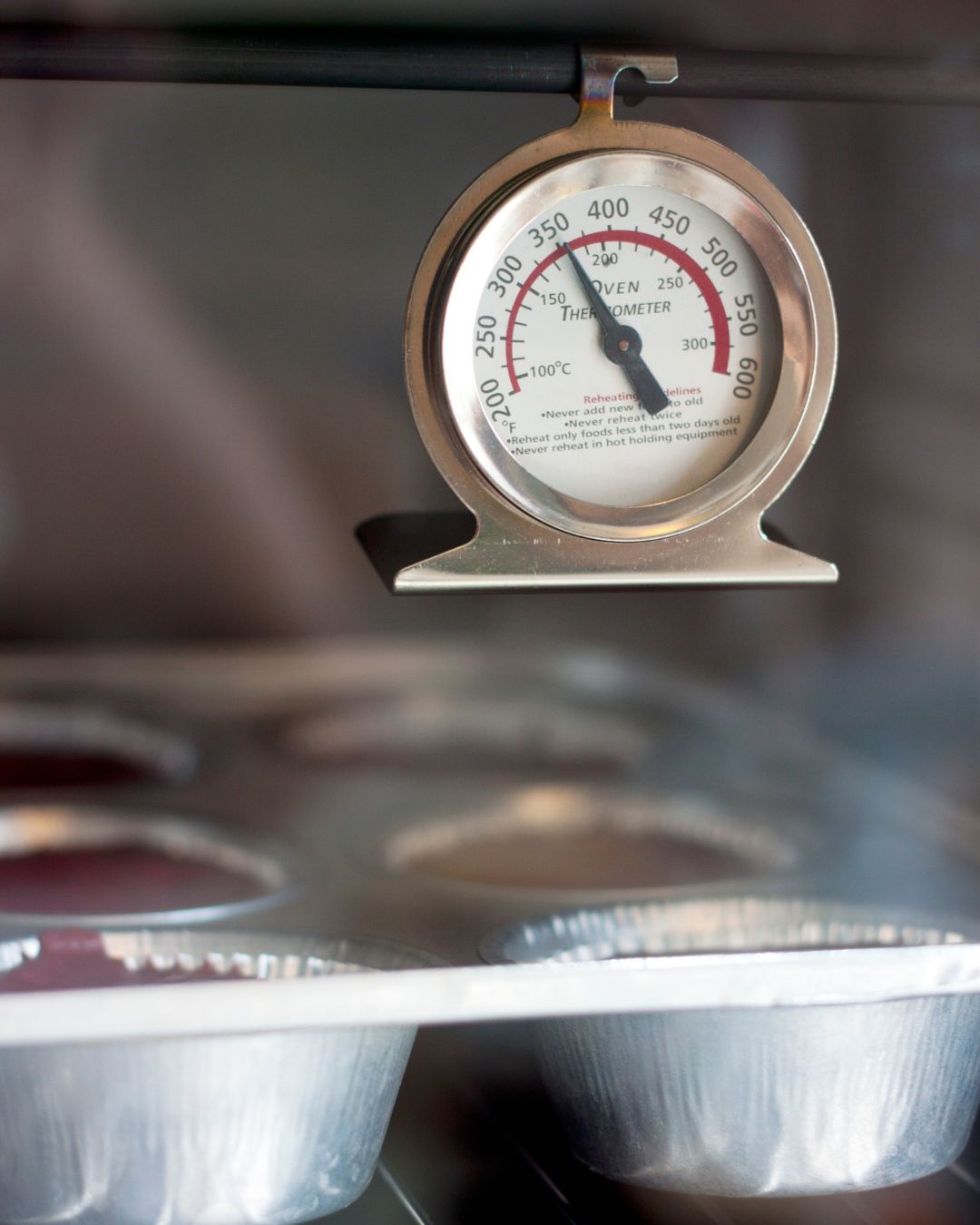
Home ovens often run hotter or cooler than the number on the dial. An inexpensive oven thermometer is useful when cakes repeatedly fail despite following the recipe.
An oven that is too cool may leave the centre unset before the structure can support itself. An oven that is too hot can set and brown the outside while the middle is still struggling to bake through.
3. Use the tin size the recipe was designed for
A 20cm round tin and a 26cm rectangular tin are not equivalent simply because both are cake tins. Changing diameter, depth or shape changes the batter depth and therefore the baking time and heat transfer.
Scale the recipe deliberately when changing tin sizes. Our Hero Sponge size guide is designed to remove that guesswork for our sponge formula.
4. Mix according to the method, not a universal rule
There is no single instruction such as “beat everything hard” or “barely mix anything” that works for every cake.
- Creamed butter cakes: properly beating butter and sugar can help incorporate air, but the butter needs to be workable rather than melted.
- Foam cakes: the whipped eggs or whites provide much of the structure, so rough folding can knock out the air.
- Oil and one-bowl cakes: once flour is hydrated, prolonged vigorous mixing can strengthen gluten and make the crumb tougher.
Follow the mixing method written for the recipe you are actually using.
5. Do not assume every ingredient must be room temperature
Ingredient temperature matters, but the correct temperature depends on the formula. Softened butter is useful for creaming; some pastry and biscuit recipes deliberately require cold butter; whipped cream must be cold. Treat “everything at room temperature” as a recipe-specific instruction rather than a law of baking.
6. Avoid opening the oven before the structure has set
Opening the door briefly near the end of the bake is usually fine. Opening it repeatedly very early can cause a sudden temperature drop while the centre is still fragile. Use the oven window first and wait until the cake looks close to done before testing it.
7. Check doneness in the centre
A timer is a guide, not proof. The cake is generally ready when the centre springs back lightly and a skewer inserted into the middle comes out without wet batter. A few moist crumbs may be normal depending on the recipe.
If the centre is still liquid or very soft, removing the cake from the oven can lead to collapse as it cools.
Why did my cake rise and then sink?
Common causes include too much raising agent, an underbaked centre, an oven running too hot, too much liquid for the structure, or a foam that was not stable enough to support the cake. One symptom can have several causes, so change one variable at a time rather than “fixing” the next batch with extra flour and extra baking powder simultaneously.
A short troubleshooting checklist
- Was the raising agent the right type and within date?
- Is the oven temperature accurate?
- Did you use the intended tin size?
- Did you follow the recipe's mixing method?
- Was the cake actually baked through in the centre?
- Did you make untested substitutions to flour, sugar, eggs or liquid?
For a forgiving tested starting point, see our Hero Sponge recipe. For more technique guides, browse our Recipes & Baking Guides.




have just made a coop packet sponge and its terrible its as thin as a biscuit, in all the years of baking this as never happened before, my eggs were fresh. so frustrating