
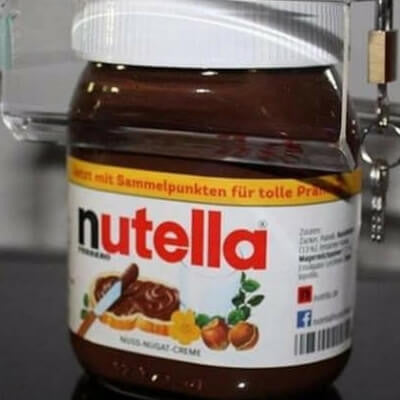
Nutella has accumulated an impressive amount of internet trivia over the years. Unfortunately, quite a lot of it is copied without a source: global hazelnut percentages, jars-per-second comparisons, social-media rankings and calculations involving the Great Wall of China.
So here are ten facts we can actually stand behind, based primarily on Nutella's own published brand history.
1. Nutella grew out of a post-war cocoa shortage
After the Second World War, cocoa was scarce. In Piedmont, Italy, Pietro Ferrero developed a sweet paste using locally available hazelnuts, sugar and a smaller amount of cocoa.
2. The 1946 ancestor was called Giandujot
The first version was a firm loaf that could be sliced and placed on bread. Nutella's official history dates Giandujot to 1946.
3. It became SuperCrema in 1951
The firm paste evolved into a creamier, easier-to-spread product called SuperCrema.
4. Nutella itself dates to 1964
Ferrero improved the recipe and launched the first jar under the Nutella name in 1964.
5. Michele Ferrero created the Nutella version we know
Ferrero's corporate history credits Pietro Ferrero with the original post-war product and his son Michele with evolving it into Nutella in 1964.
6. The name combines “nut” and “ella”
Nutella's official history explains the name as the English word “nut” combined with the Italian-sounding suffix “ella”. It is a much better-supported explanation than the various folk etymologies copied around the web.
7. Germany was an early export market
Nutella's heritage timeline records the product launching in Germany in 1965.
8. France followed in 1966
The same official timeline dates its arrival in France to 1966.
9. Ferrero opened its first plant outside Europe in Australia in 1978
The Nutella history records the opening in Lithgow, near Sydney, as the first production plant outside Europe.
10. Nutella turned 60 in 2024
Ferrero marked the brand's 60th anniversary in 2024, counting from the 1964 Nutella launch. Ferrero also described the brand at that point as being sold in more than 170 countries.
Why hazelnut and chocolate work so well in cake
History aside, the reason the flavour appears so often in baking is straightforward: roasted hazelnut brings fat, aroma and a slight savoury bitterness that balances sweet chocolate. It works particularly well with coffee, caramel, vanilla and orange.
Nutella contains hazelnuts and other allergens can be present in branded chocolates or decorations, so check the current packaging and product information rather than relying on an old blog post for allergen decisions.
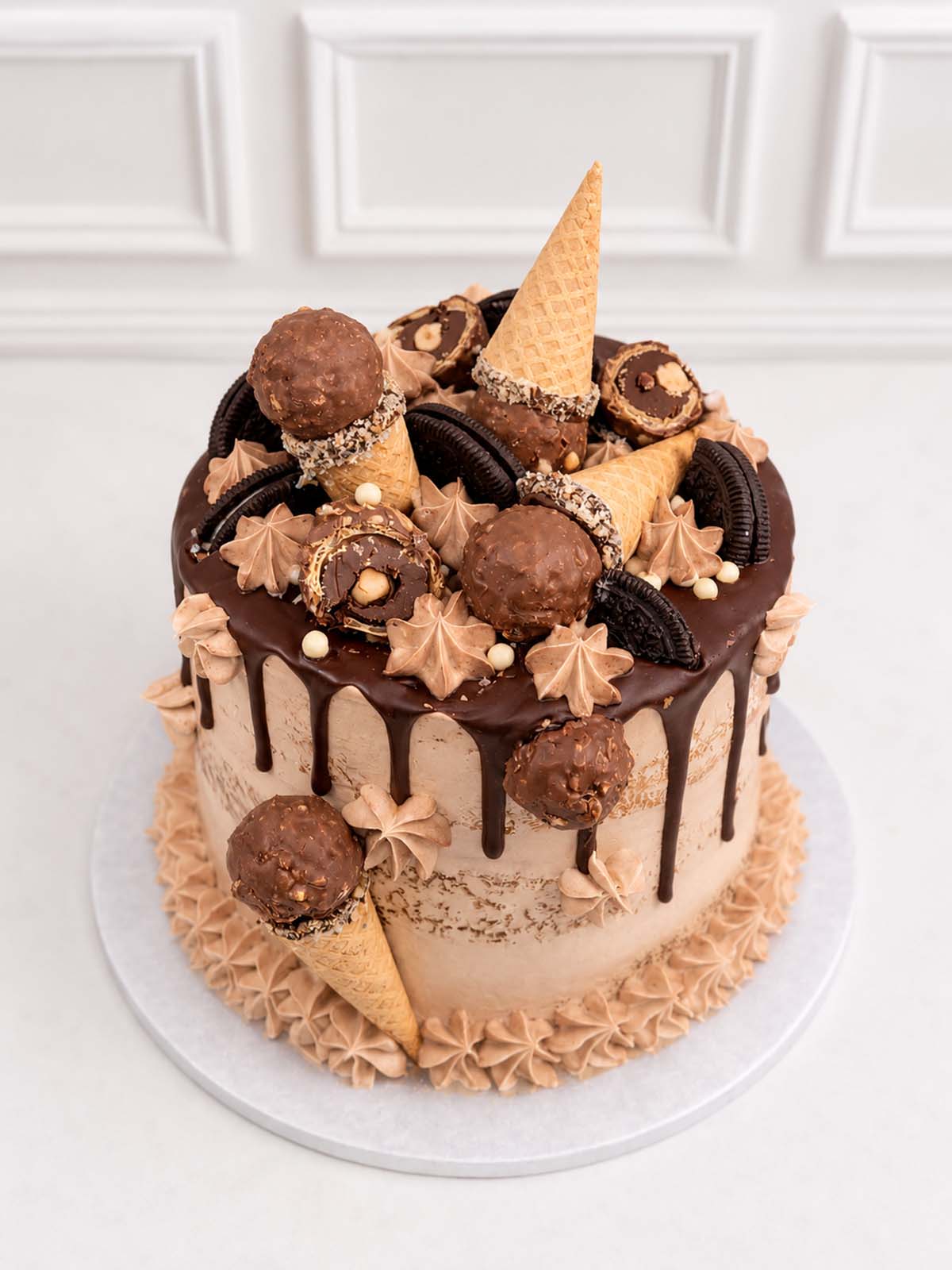
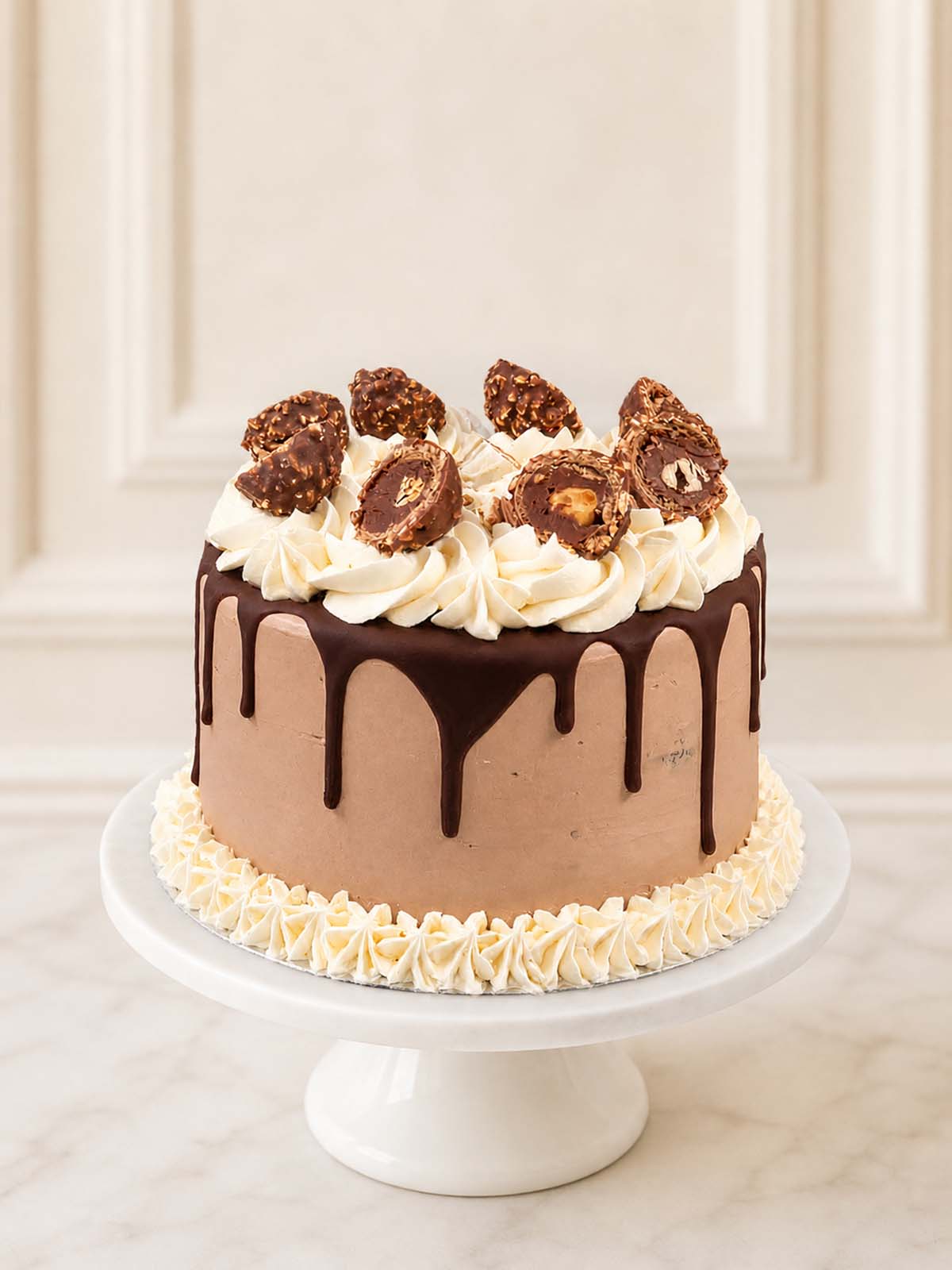
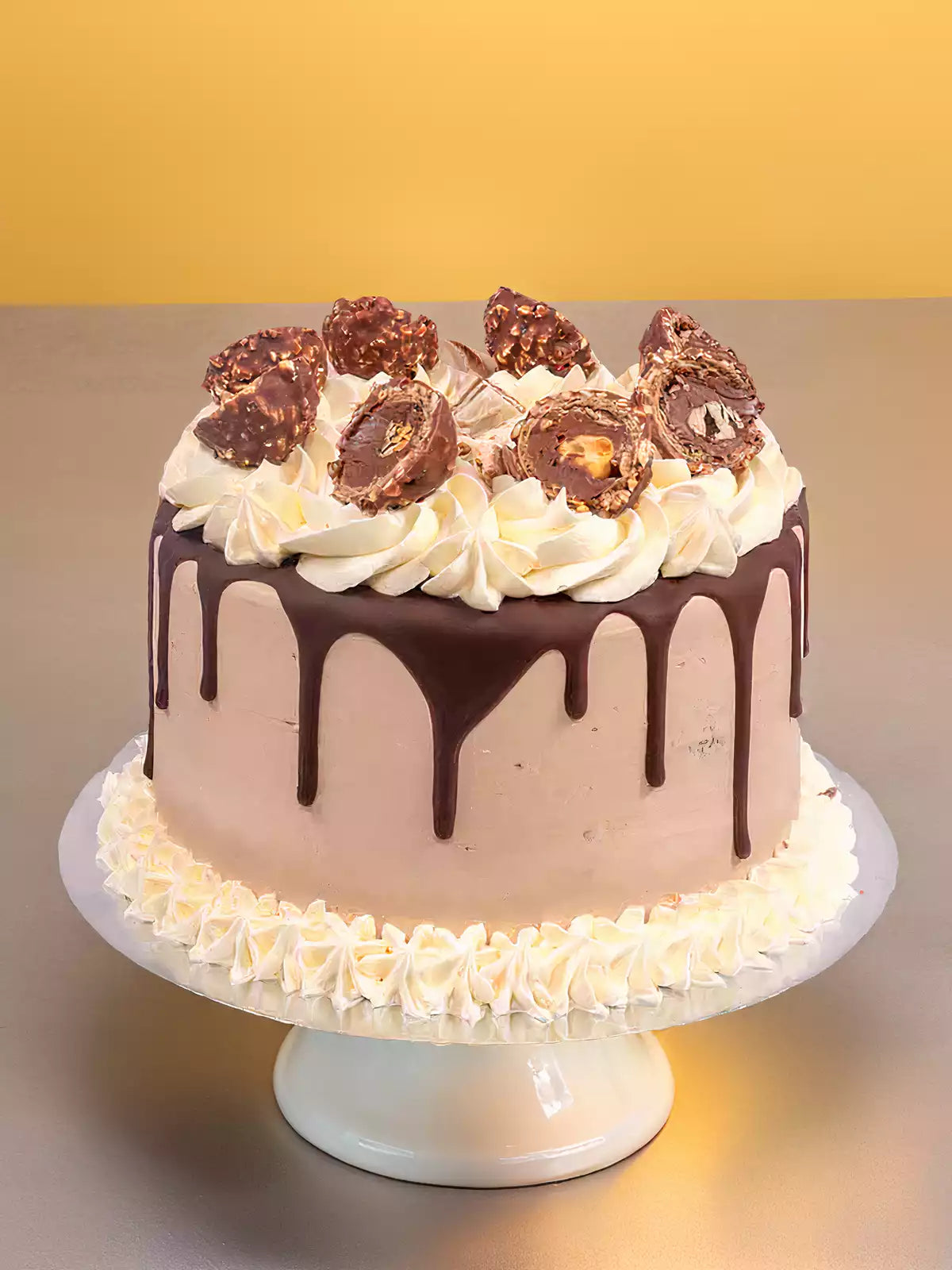
For the source timeline, see Nutella's official heritage page. For a current Nutella-led celebration cake, see our Nutella Ferrero Rocher Cake.


Great article. I simply love nutella. A heaven inside of a jar!