
Baking from scratch is rewarding, but it is also a collection of small variables waiting to trip you up: ingredient temperature, overmixing, hot pans, split emulsions and one rogue piece of eggshell.
These are the practical fixes we actually use. None replaces a sound recipe, but they can make the difference between a minor wobble and a wasted afternoon.
10 baking hacks that are genuinely useful
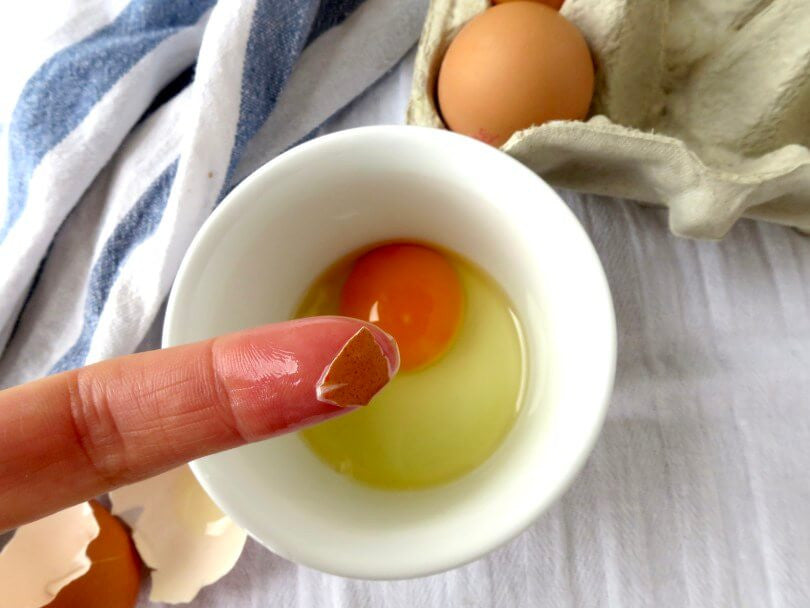
1. Remove eggshell with a damp fingertip
If a small piece of shell drops into your eggs, a clean damp fingertip can make it easier to pick up because the shell adheres to the moisture. A clean spoon works too. The important thing is not to spend five minutes chasing it around the bowl with a whisk.
2. Rescue a split ganache gently
Ganache can split when the emulsion breaks or the mixture becomes too hot or too cold. Start by warming it very gently and blending from the centre with a small whisk or immersion blender. If it still looks oily or grainy, add a small amount of warm cream a little at a time while blending. Do not throw in a large splash of cold liquid and hope for the best.
3. Prepare cake tins properly
Grease the tin and line the base with baking parchment. For cakes that suit it, a light dusting of flour over the greased sides gives another layer of insurance. Release spray is useful too, but parchment on the base remains cheap protection against a beautifully baked cake refusing to leave the tin.
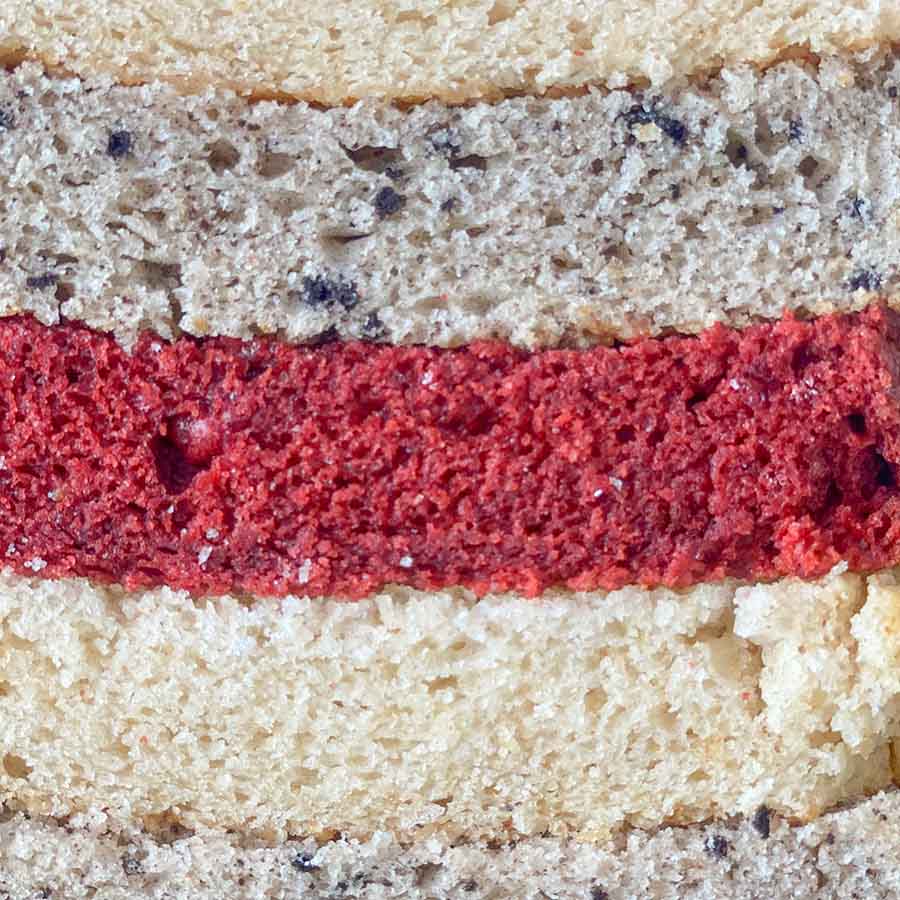
4. Level cake layers with floss or a serrated knife
Plain, unflavoured dental floss can cut a soft sponge horizontally if you mark the height first and pull evenly. For firmer cakes, a long serrated knife or cake leveller gives more control. Whichever method you use, work on a completely cooled cake.
5. Bring eggs up from fridge temperature quickly
If a recipe works best with room-temperature eggs, place the uncracked eggs in a bowl of lukewarm water for about 5 to 10 minutes. Do not use very hot water. You are trying to take the chill off, not cook the egg in its shell.
6. Make emergency powdered sugar carefully
Granulated sugar can be blitzed in a high-powered blender until very fine if you are stuck, but it will not always be as fine or consistent as commercial icing sugar. It is useful for dusting or a rough-and-ready glaze; for perfectly smooth buttercream, buy proper icing sugar.
7. Oil the spoon for treacle and syrup
Wipe a very thin film of neutral oil over a measuring spoon or cup before measuring honey, golden syrup or treacle. The sticky ingredient releases far more cleanly, which means the amount that reaches the recipe is closer to the amount you measured.
8. Warm the knife for neat slices
For brownies, ganache cakes and chilled desserts, dip a knife into hot water, wipe it completely dry, then slice. Clean and rewarm the blade between cuts. The dry part matters: you do not want water running over the cake.
9. Soften hard brown sugar with controlled moisture
Brown sugar hardens as it loses moisture. Seal it in an airtight container with a small piece of bread for a few hours and the sugar will usually soften as moisture migrates from the bread. Remove the bread afterwards rather than leaving it in the tub indefinitely.
10. Use syrup deliberately, not as a cure for bad sponge
A light brush of cooled sugar syrup can add moisture and flavour to cake layers, particularly if they are being assembled ahead. It cannot rescue an overbaked sponge completely, and too much syrup makes layers heavy and unstable. Start sparingly.
For a basic syrup, dissolve equal weights of sugar and water, cool it quickly, transfer it to a clean covered container and refrigerate. Make a fresh batch when it looks, smells or behaves differently rather than treating it as immortal.
The bigger baking hack: control the variables
Weigh ingredients, read the full recipe before starting, use an oven thermometer if your oven is temperamental, and judge doneness by the cake rather than a timer alone. Those four habits are worth more than a drawer full of gadgets.
For tested recipes and more practical technique, browse our recipes and baking guides.







I can’t wait to try hack number 4. I love of thought of repurposing common household tools in the kitchen!