
Baking uses energy, but the useful question is not whether cake is worth turning the oven on for. It is how to avoid heating a large appliance badly: one small item at a time, with repeated preheating and the door opened every few minutes.
Energy prices change, as do ovens and appliances, so this guide avoids pretending there is one universal cost per cake. The practical principles are much more durable.
1. Use the oven for what it is good at: batch baking
A full-size oven makes most sense when you use its capacity. If several sponge layers, trays of cupcakes or another compatible dish can bake at the same temperature without blocking airflow, plan them together rather than running several separate oven cycles.
Energy Saving Trust similarly describes ovens as well suited to batch cooking, while smaller appliances can make more sense for smaller quantities.
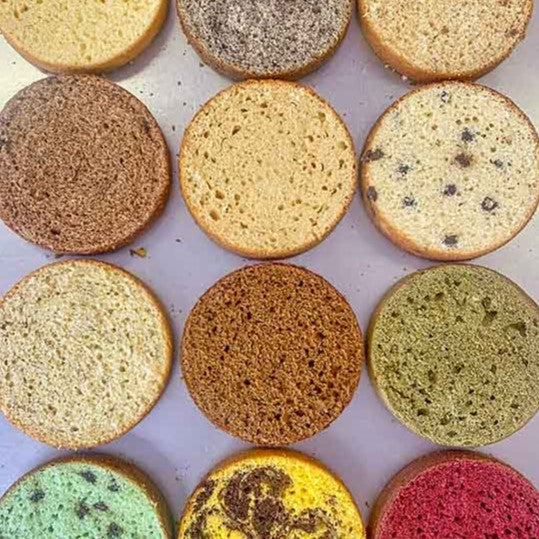
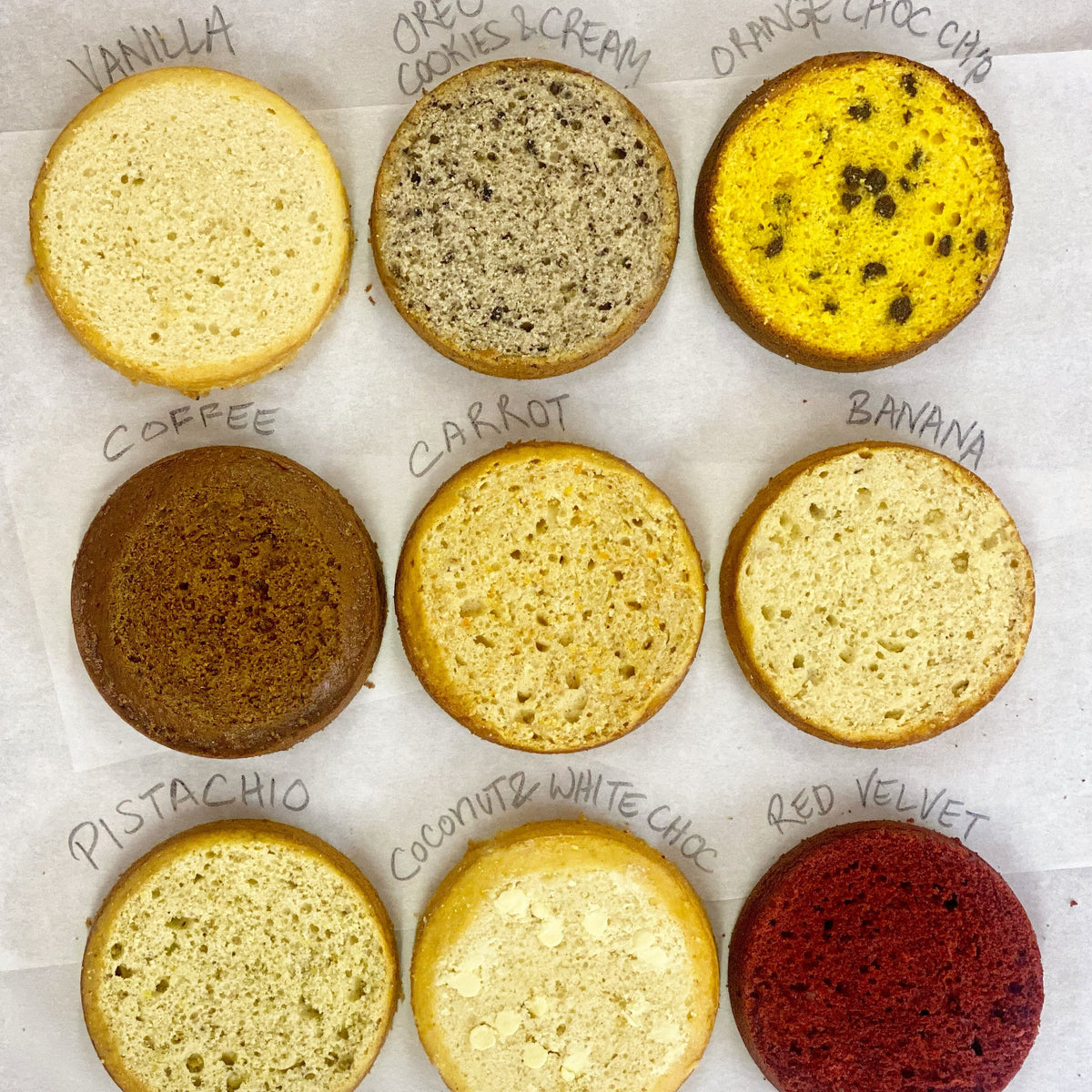
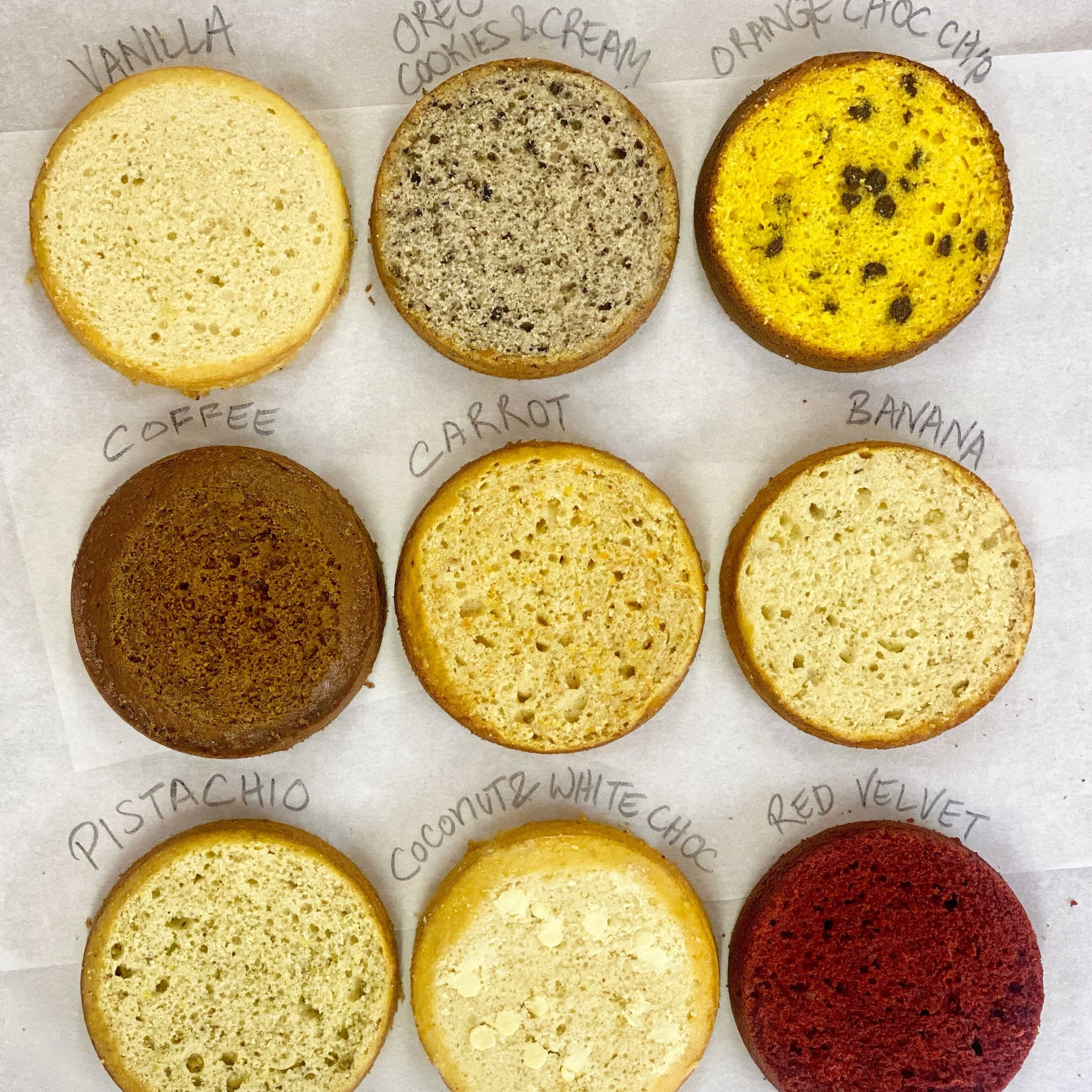
Our Hero Sponge recipe is useful here because the same base can be split into different flavours and baked as shallow layers or cupcakes in one organised session.
2. Preheat once, at the right time
Many cakes need a properly heated oven because the raising agents and structure depend on the batter going into the intended temperature. That does not mean the oven needs to sit empty and hot while you search for a tin.
Read the recipe first, prepare the tins and ingredients, then start preheating so the oven is ready when the batter is. If you are making several compatible bakes, sequence them so one preheat serves the whole session.
3. Stop opening the oven door unnecessarily
Every door opening releases heat and can disturb delicate cakes. Use the oven light and window first, then open the door when the recipe is close to its expected finish and you genuinely need to test doneness.
Keeping the door clean helps because you can actually see the cake; the energy benefit comes from avoiding needless openings, not from a magical efficiency boost caused by clean glass.
4. Match the appliance to the job
A microwave is often the sensible tool for melting butter or reheating a portion because it heats food directly and works quickly. An air fryer can be economical for small quantities because its cavity is much smaller than a full oven. A full oven comes into its own when you have enough food or baking to make use of the space.
That does not mean every cake recipe should be converted to an air fryer. Tin dimensions, airflow and heat intensity change the bake, so use a tested method rather than automatically copying an oven time and temperature.
5. Bake ahead when the oven is already in use
If you know you need cake tomorrow and the oven is already being used today, baking the sponge ahead can make sense. Cool it completely, wrap it well and store it according to the recipe. Many plain sponge layers also freeze very well.
Do not rely on residual heat to finish foods that need a specific safe cooking temperature. Residual heat is useful for drying meringues, warming plates or other low-risk jobs only when the recipe supports it.
A simple energy-smart baking plan
- Choose a tested recipe with sensible tin sizes and bake times.
- Prepare everything before preheating.
- Batch compatible bakes where airflow and your oven allow.
- Keep the door closed until you need to check.
- Use the microwave or a smaller appliance for genuinely small jobs.
- Freeze spare sponge or baked portions rather than running the oven again unnecessarily.
For more tested home-baking methods, browse our Recipes & Baking Guides.



Comments