
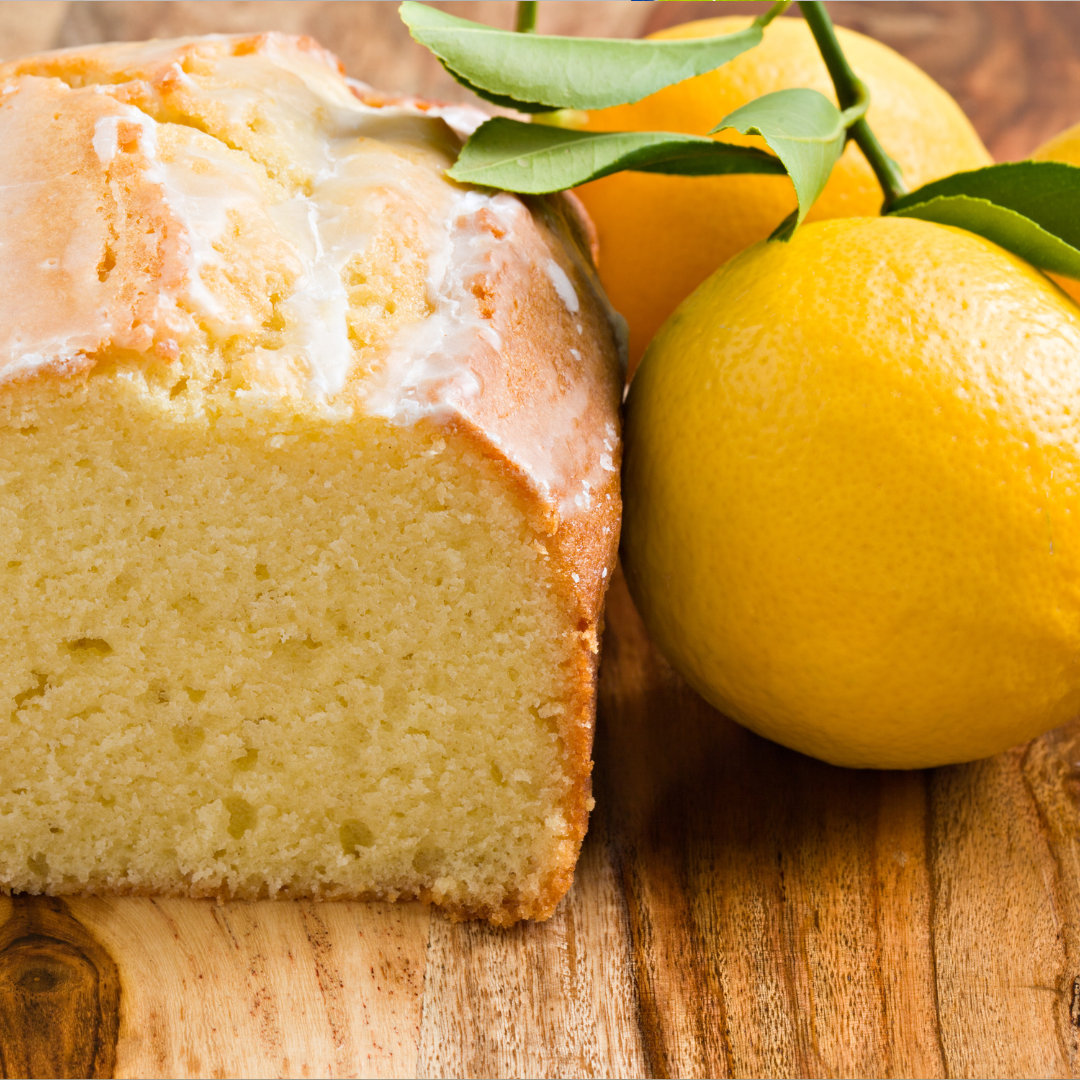
A great lemon cake should be bright, fragrant and properly lemony without becoming sharp, soggy or overwhelmingly sweet. The useful trick is not simply adding more juice. Lemon flavour comes from balancing zest, juice, sugar, fat and the structure of the cake.

Lemon flavour: zest and juice do different jobs
Lemon zest contains aromatic oils from the coloured outer peel, so it is one of the most effective ways to build fragrance into a cake. Lemon juice contributes acidity, flavour and water. Both can be useful, but adding extra juice to a recipe also changes its liquid and acidity, so it is better to use a formula designed for the amount of lemon you want.
When zesting, wash the fruit and take only the yellow outer layer rather than the bitter white pith. If the lemons are sold with a surface coating, follow the supplier's preparation guidance before using the peel. Rubbing zest into sugar is a lovely technique because it helps release and distribute the citrus oils.

Choosing lemons
Different lemon varieties vary in acidity, aroma, sweetness and availability. Eureka and Lisbon are familiar everyday lemons. Meyer lemons, where available, tend to be sweeter and more floral. Yuzu and bergamot are different citrus fruits with their own distinctive aromas, so treat them as flavour variations rather than direct one-for-one lemon substitutes.
Keeping lemon cake moist without making it wet
Moisture comes from the whole recipe, not one magic ingredient. Yoghurt or buttermilk can contribute tenderness and acidity in recipes designed around them, while milk works perfectly well in many other lemon cakes. They are not automatic substitutes because changing dairy also changes water, fat and acidity.
Lemon syrup
A light lemon-and-sugar syrup can add flavour and moisture after baking. Brush or spoon on the amount specified by the recipe while the cake is still receptive to it. More is not always better: too much syrup can make a sponge heavy or wet.

Fillings and finishes that suit lemon
Lemon works particularly well with creamy, gently tangy or nutty flavours. Swiss meringue buttercream gives a smooth, less sugary finish than many traditional icing styles; mascarpone-based fillings, lemon curd-style fillings and simple citrus glazes can also work beautifully when the recipe and storage requirements suit them.
If you are baking at home, use a tested recipe for any filling containing ingredients that require refrigeration rather than assuming every frosting can be stored in the same way.
For texture, candied peel, almonds, poppy seeds or a thin crisp element can give contrast without burying the citrus.

The balance we are looking for
A memorable lemon cake should smell of lemon before the fork reaches your mouth. The crumb should suit the style of cake, the sweetness should leave room for the citrus, and the filling should support rather than smother it.
If you would rather leave the baking to us, browse our lemon cakes, made to order in our London kitchen and hand-delivered across London and Surrey by our own drivers.

For the exact cake shown here, see our Lemon Drizzle Cake.


Comments