
Archive · 2025 Flavour Outlook
Emerging Cake Flavour Trends We Were Watching in 2025
Archive note — September 2026: This article records our 2025 flavour outlook. It was an editorial forecast based on bakery experience, retailer launches, customer conversations and what we were seeing around food culture at the time. It was not a representative UK consumer survey or a promise that every flavour below became mainstream.
The original version tried to make the outlook look more scientific than its evidence allowed, with orphaned citation numbers and sweeping claims about consumers, health and generations. Those have been removed. What remains is the useful bit: the flavours we thought professional bakers should test rather than blindly follow.
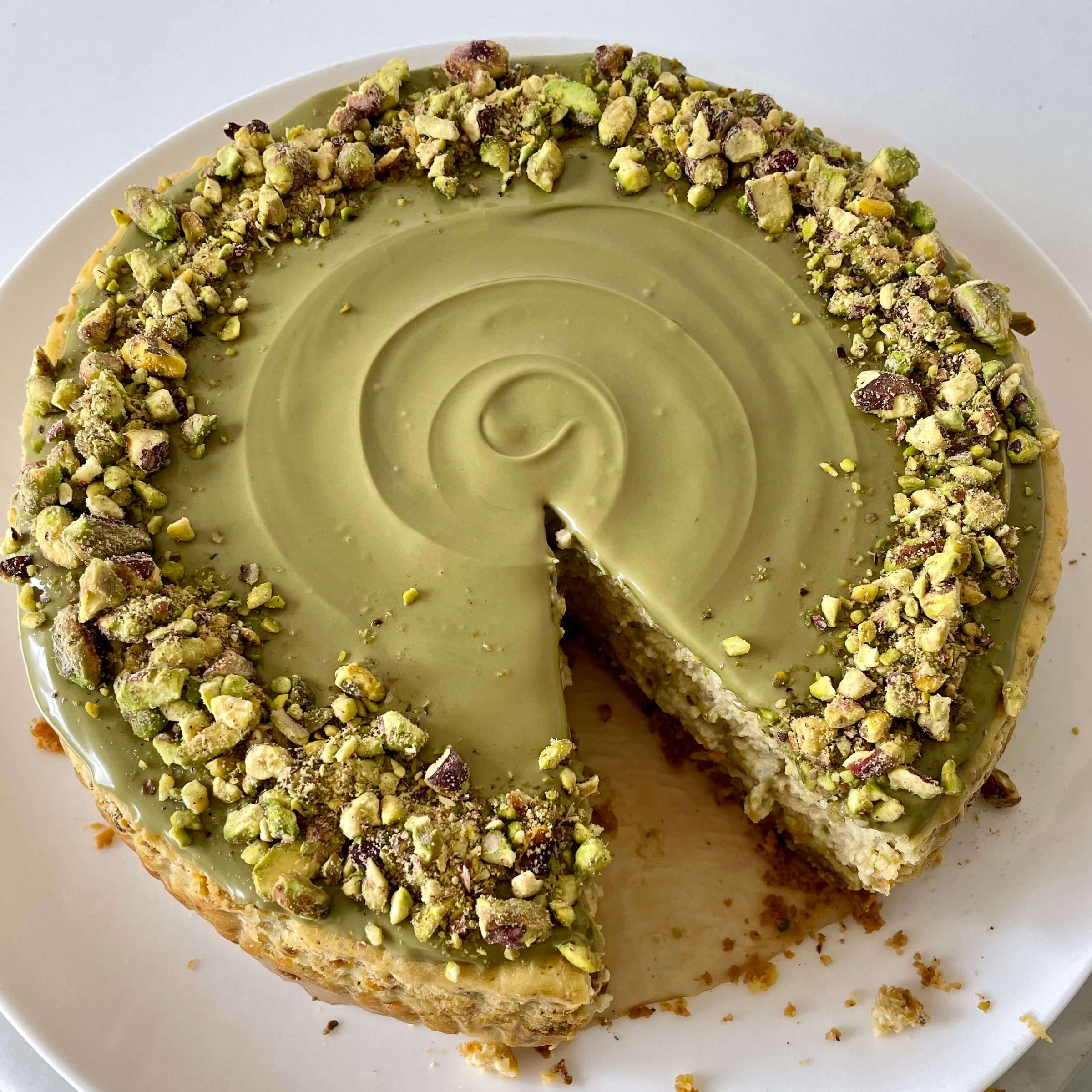
1. Pistachio
Pistachio was the least speculative choice. We were already seeing it across cakes, pastries and retailer launches, while our own customers had a long-standing appetite for it. The useful professional lesson was not “pistachio is new”; it was that a familiar premium ingredient was finding more formats. See our pistachio cakes.
2. Sweet heat
Hot honey and chilli-chocolate combinations were interesting because they added contrast rather than simply more sweetness. Our 2025 view was to test them carefully and keep the heat supportive. This was a watch-list flavour, not a claim of mass adoption.
3. Yuzu, matcha and miso
We were watching these ingredients because they offer bitterness, acidity or savoury depth that can balance rich desserts. Matcha in particular was already familiar to our bakery. For practical flavour notes, see our matcha cake guide.
4. Rhubarb and sour cherry
Both give bakers acidity and colour without relying on novelty. Rhubarb also has a genuinely familiar British dessert context, while sour cherry works naturally with chocolate and pistachio.
5. Nostalgic flavours in new formats
Sticky toffee, crumble, tiramisu and other familiar desserts can be useful starting points because customers already understand the flavour. The innovation comes from the format, texture or pairing rather than pretending the flavour itself has just been invented.
6. Savoury notes
Olive oil, herbs and miso can add complexity when handled with restraint. Our advice then, and now, is to trial small batches before committing a whole range to a fashionable ingredient.
7. Florals
Rose, elderflower and carefully used lavender can work beautifully. “Natural” or floral does not automatically mean healthier, and decorative flowers also need proper food-safety consideration. The flavour should earn its place.
8. Hybrids
Cake sandwiches, brookies and other mash-ups attract attention because they combine familiar things in a new format. Our own cake-sandwich experience made this category especially interesting to us, but virality and durable demand are not the same thing.
How we would use a trend list professionally
- Test a small batch before scaling.
- Use real ingredient quality as the point of difference, not colouring or a fashionable name.
- Keep one recognisable flavour or format alongside the experimental element.
- Record actual sales after launch; social engagement is not the same as customer demand.
- Treat health, sustainability and demographic claims cautiously unless you have proper evidence.
The best trends give a baker another useful flavour language. The worst simply give everyone the same menu for six months.
Earlier in the archive: Top 10 Most Popular Cake Trends for 2025
Later in the archive: Cake Trends 2026
Love this!!
Please do this with your thoughts on trends for 2026! :)