
Matcha Cake Guide: Taste, Pairings & Baking Tips
Matcha in cake should taste recognisably of tea: green, gently bitter, savoury-umami and fragrant enough to survive sugar, fat and chocolate. The point is not to make a sponge neon green. The point is to make the matcha worth tasting.
What matcha actually is
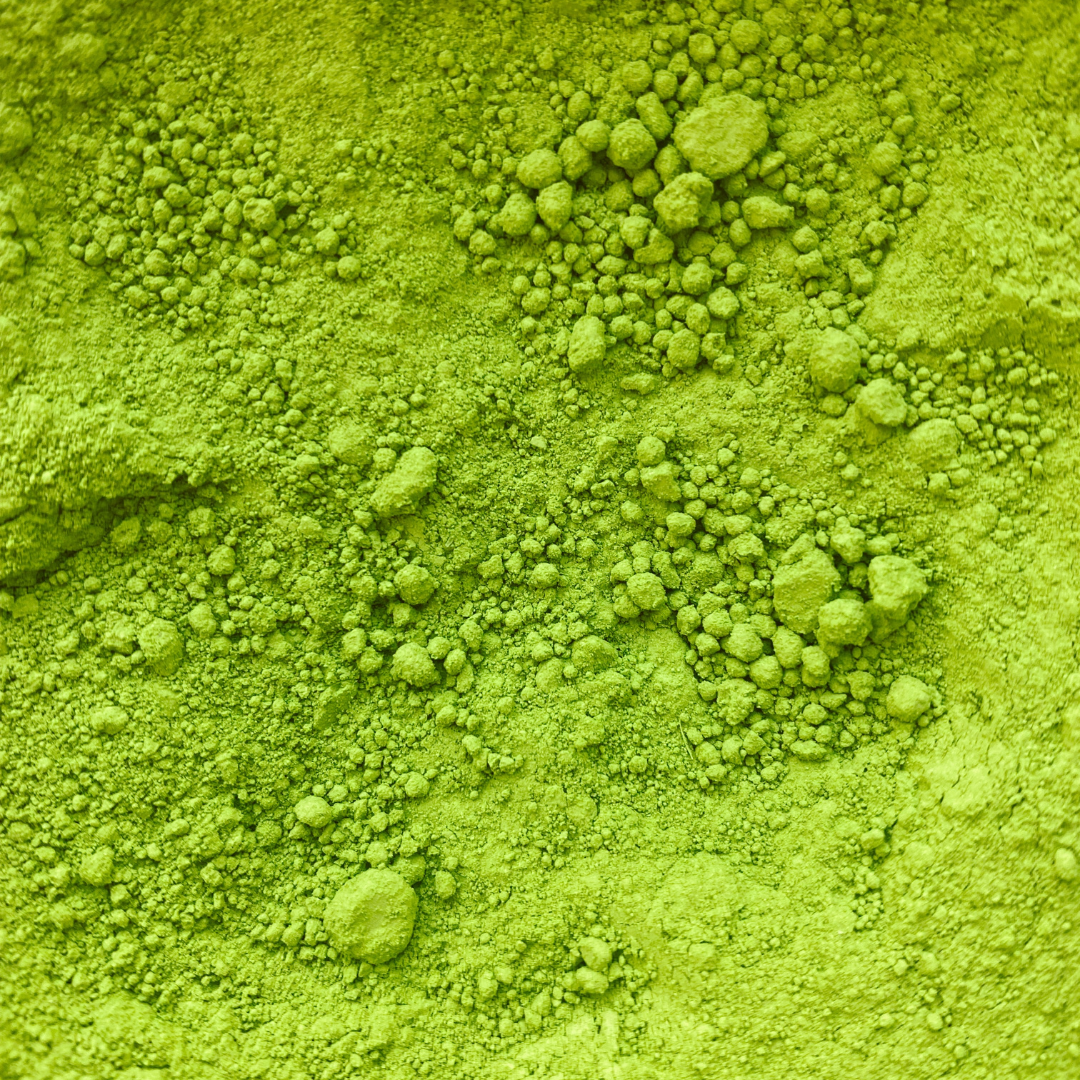
Japan’s Ministry of Agriculture describes matcha as tea made by grinding tencha into powder. Tencha is grown and processed differently from ordinary sencha; in Uji, shade cultivation developed over centuries as producers sought darker colour, less astringency and stronger umami.
That is a more useful definition than saying matcha is simply “ground green tea”. For background, see the Japanese government’s Uji Tea guide.
Do not obsess over marketing grades
For cake, buy matcha with a colour, aroma and flavour you actually like. Terms such as “ceremonial grade” are often used commercially, but they are not a substitute for tasting the powder or checking the producer. A very expensive tea can also be wasted if the cake buries it under too much sugar.
How we use it in baking
Sift matcha before adding it because tiny clumps are surprisingly stubborn. Disperse it thoroughly in part of the liquid or fat from the tested recipe so the powder is distributed evenly. That is a practical mixing technique, not evidence that mysterious “fat-soluble compounds bond” and lock in flavour.
Matcha colour and aroma can fade with light, air, heat and time, so keep the powder tightly sealed and follow the producer’s storage guidance. Bake according to the tested cake formula rather than reducing the oven temperature simply because matcha is delicate.
Pairings we actually like
- White chocolate: creaminess and sweetness against matcha’s bitterness.
- Lemon or yuzu: acidity and aromatic lift.
- Raspberry or blackberry: tart fruit against the earthy tea.
- Chocolate biscuits: cocoa and crunch; our Matcha Oreo combinations are proof that class and Oreos can coexist.
- Black sesame: toasted, nutty contrast.
- A pinch of salt: useful for balance, as in most sweet recipes.
Texture matters as much as flavour
A matcha sponge still needs to be a good sponge. We often favour oil-based cake formulas because they stay soft, but matcha does not require one universal cake style. Chiffon, butter sponge and oil sponge can all work if the recipe is tested for them.
Serving temperature depends on the cake
There is no professional rule that matcha cake must always be served “slightly above room temperature”. Serve the cake according to its actual filling and frosting. Cream, mascarpone, custard and other perishable fillings require appropriate refrigeration; buttercream-led cakes have different handling needs.
Frostings
Our preference is a frosting that does not bury the tea under icing sugar. Swiss meringue buttercream, white-chocolate ganache, mascarpone-style fillings where safely handled, and black-sesame buttercream can all work. That is a flavour preference, not a claim that one frosting is scientifically correct.
If you would rather taste the idea than test it yourself, browse our current matcha cakes, made to order for London and Surrey delivery.
Love,
Reshmi xoxo

Comments